How AI-Driven Health Risk Analysis is Revolutionizing Personalized Healthcare
In the ever-evolving landscape of healthcare, one innovation is making waves: AI-driven health risk analysis. This powerful tool is transforming how medical professionals assess and manage patient health, offering a level of precision and personalization that was once unimaginable. By leveraging advanced algorithms and vast amounts of data, AI is enabling doctors to predict potential health issues before they become critical, allowing for proactive and tailored care.
This article explores how AI is reshaping the field of health risk assessment, from its technical foundations to real-world applications. Whether you're a healthcare professional, a patient, or simply curious about the future of medicine, this guide will give you a clear understanding of what AI-driven health risk analysis is, how it works, and why it matters.
The Science Behind AI-Driven Health Risk Analysis
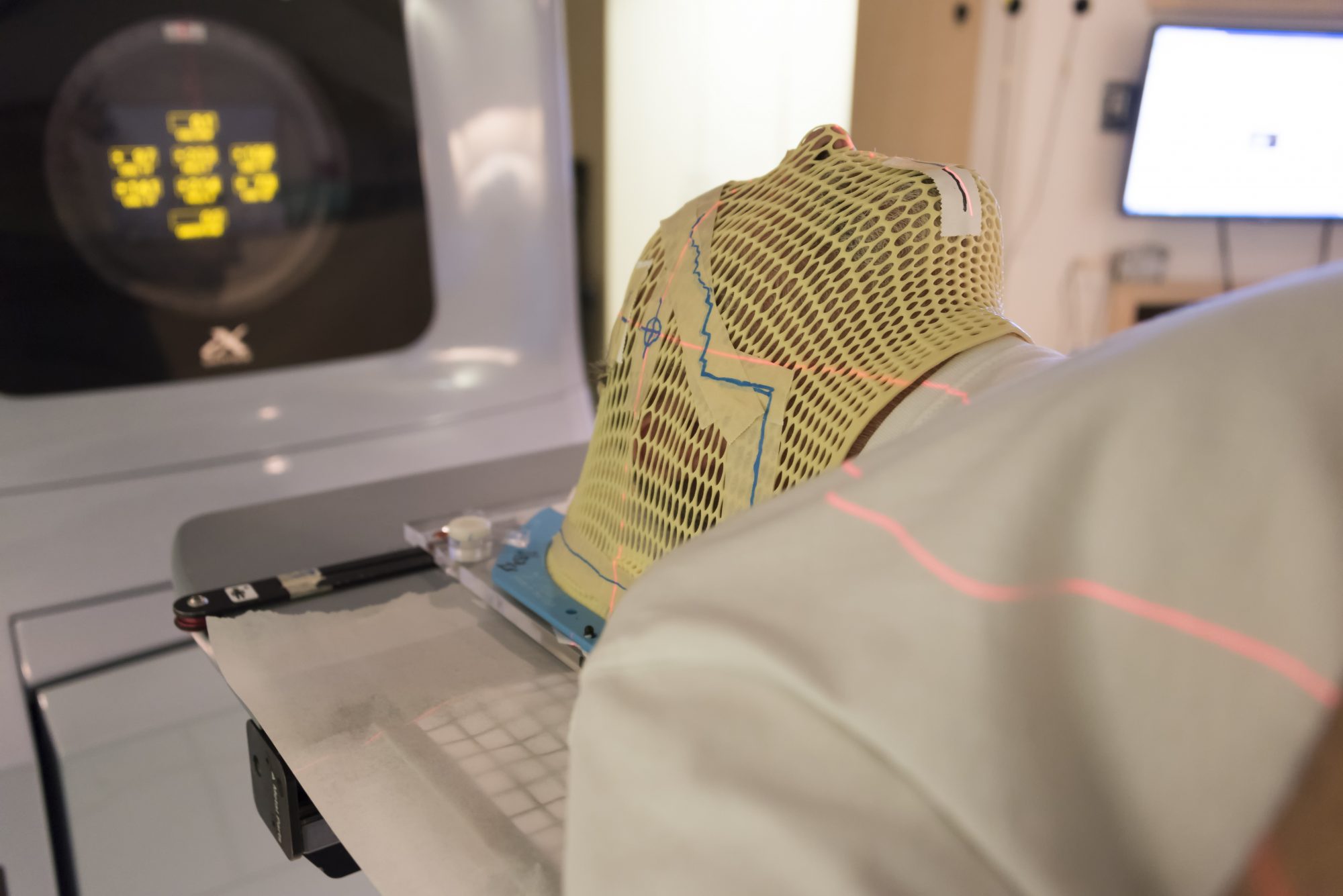
At its core, AI-driven health risk analysis involves using machine learning algorithms to analyze complex datasets and identify patterns that may indicate future health risks. These algorithms are trained on large volumes of data, including medical records, genetic information, lifestyle factors, and even social determinants of health. The more data the system processes, the more accurate its predictions become.
Here's a breakdown of how AI contributes to health risk assessment:
- Data Collection and Integration: AI systems gather and integrate data from multiple sources, such as electronic health records (EHRs), wearable devices, and patient-reported information.
- Algorithm Development: Custom algorithms are developed and trained to recognize specific health indicators. These models learn from historical data to make predictions about future outcomes.
- Predictive Analytics: Once trained, these algorithms can predict the likelihood of certain health conditions based on a patient’s unique profile.
- Personalized Healthcare Plans: Insights from AI models help clinicians create individualized treatment plans that address a patient’s specific risk factors.
- Continuous Learning: AI systems evolve over time, refining their predictions as new data becomes available.
This process not only improves accuracy but also enables earlier interventions, which can significantly improve patient outcomes.
Real-World Applications of AI in Health Risk Assessment
The impact of AI-driven health risk analysis is already being felt across various areas of healthcare. Here are some key use cases:
1. Chronic Disease Management
AI can predict which patients are at high risk of developing chronic conditions like diabetes, heart disease, or hypertension. By identifying these individuals early, doctors can implement preventive measures, such as lifestyle changes or targeted treatments, to reduce the likelihood of disease progression.
2. Hospital Readmissions
One of the biggest challenges in healthcare is reducing hospital readmissions. AI tools analyze factors like past medical history, medication adherence, and socioeconomic status to identify patients who are at higher risk of returning to the hospital. This allows hospitals to develop targeted discharge planning and follow-up strategies.
3. Sepsis Detection
A study published in Nature highlights the effectiveness of AI in predicting sepsis—a life-threatening condition caused by the body’s response to infection. AI models can detect early signs of sepsis faster than traditional methods, giving doctors a crucial window to intervene and save lives.
4. Cancer Screening
AI is also being used to enhance cancer screening. For example, deep learning algorithms can analyze medical images, such as mammograms or CT scans, to detect abnormalities that might be missed by human radiologists. This leads to earlier diagnoses and better treatment outcomes.
The Benefits of AI in Health Risk Assessment

The advantages of AI-driven health risk analysis are numerous and far-reaching. Here are some of the most significant benefits:
- Improved Accuracy: AI systems can process and analyze data much faster and more accurately than humans, reducing the chances of errors and missed diagnoses.
- Early Intervention: By identifying health risks before symptoms appear, AI enables early intervention, which can prevent serious complications and reduce healthcare costs.
- Personalized Care: AI helps tailor treatment plans to each patient’s unique needs, leading to more effective and efficient care.
- Cost Savings: Preventive care and early detection can significantly reduce the need for expensive treatments and hospitalizations.
- Efficient Resource Allocation: Hospitals and clinics can use AI to prioritize high-risk patients, ensuring that limited resources are used where they are needed most.
These benefits make AI-driven health risk analysis an invaluable tool in modern healthcare.
Challenges and Ethical Considerations
While AI offers tremendous potential, it also comes with its share of challenges and ethical concerns. Addressing these issues is essential to ensure that AI is used responsibly and equitably.
1. Data Privacy and Security
Health data is highly sensitive, and ensuring its security is a top priority. AI systems must be designed with robust encryption, access controls, and audit trails to protect patient information from breaches and misuse.
2. Algorithmic Bias
AI models can unintentionally reflect biases present in the data they are trained on. For example, a study found that one healthcare prediction algorithm disadvantaged Black patients by flagging only 18% for extra care, compared to 47% who actually needed it. This highlights the importance of regularly testing and refining AI models to eliminate bias.
3. Transparency and Explainability
Healthcare professionals need to understand how AI models arrive at their conclusions. Explainable AI (XAI) techniques help make these decisions more transparent, fostering trust between clinicians and the technology they use.
4. Regulatory Compliance
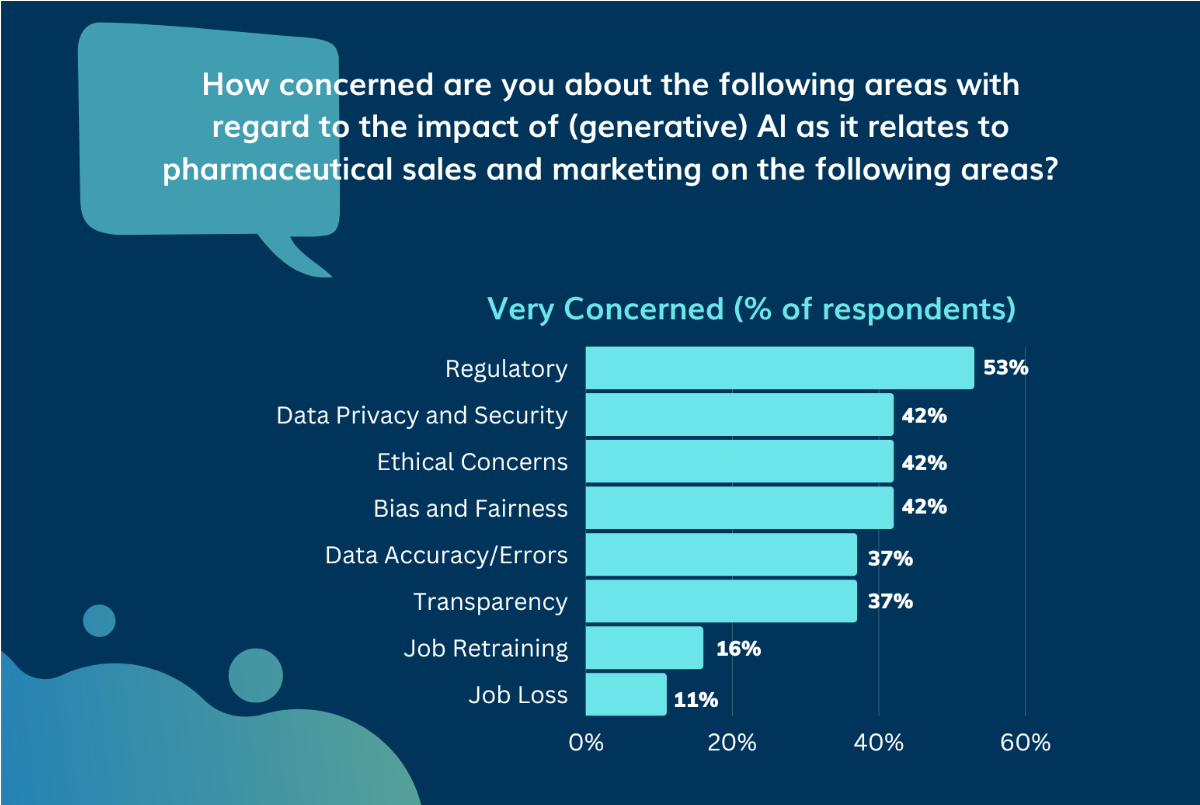
As AI becomes more prevalent in healthcare, regulatory frameworks must keep pace. Laws such as the Health Insurance Portability and Accountability Act (HIPAA) in the U.S. and the General Data Protection Regulation (GDPR) in the EU provide guidelines for handling health data securely. However, new regulations may be needed to address the unique challenges posed by AI.
The Future of AI in Health Risk Assessment
The future of AI in health risk assessment is incredibly promising. As technology continues to advance, we can expect even more sophisticated models that can predict health risks with greater accuracy and speed. Here are some trends to watch:
- Real-Time Data Integration: AI systems will increasingly rely on real-time data from wearable devices, remote monitoring tools, and other sources to provide up-to-the-minute insights.
- Social Determinants of Health: Future models will incorporate factors like income, education, and access to healthcare to provide a more holistic view of patient risk.
- Enhanced Regulatory Frameworks: As AI becomes more integrated into healthcare, stronger regulatory standards will be put in place to ensure safety, fairness, and accountability.
- Collaboration Between Humans and AI: Rather than replacing human expertise, AI will serve as a powerful tool to support clinicians, helping them make more informed decisions.
By embracing these advancements while addressing the ethical and practical challenges, the healthcare industry can harness the full potential of AI-driven health risk analysis.
Conclusion
AI-driven health risk analysis is revolutionizing personalized healthcare by enabling earlier, more accurate, and more effective interventions. From predicting chronic diseases to detecting sepsis and improving cancer screening, the applications of AI in health risk assessment are vast and impactful.
However, the responsible and ethical use of AI remains a critical concern. Ensuring data privacy, eliminating algorithmic bias, and maintaining transparency are essential steps in building trust and achieving equitable outcomes.
As we look to the future, the integration of AI into healthcare will continue to evolve, offering new opportunities to improve patient care and transform the way we approach health and wellness. By combining the power of AI with human expertise, we can create a healthcare system that is not only more efficient but also more compassionate and inclusive.

Post a Comment for "How AI-Driven Health Risk Analysis is Revolutionizing Personalized Healthcare"
Post a Comment