How AI Assisted Early Disease Detection is Revolutionizing Modern Healthcare
Artificial intelligence (AI) is transforming the healthcare landscape in ways that were once unimaginable. One of the most promising applications of AI is its role in early disease detection, where it's helping medical professionals identify health issues before they become severe. This article explores how AI is revolutionizing modern healthcare by enabling earlier and more accurate diagnosis, improving patient outcomes, and streamlining medical processes.
The Rise of AI in Healthcare
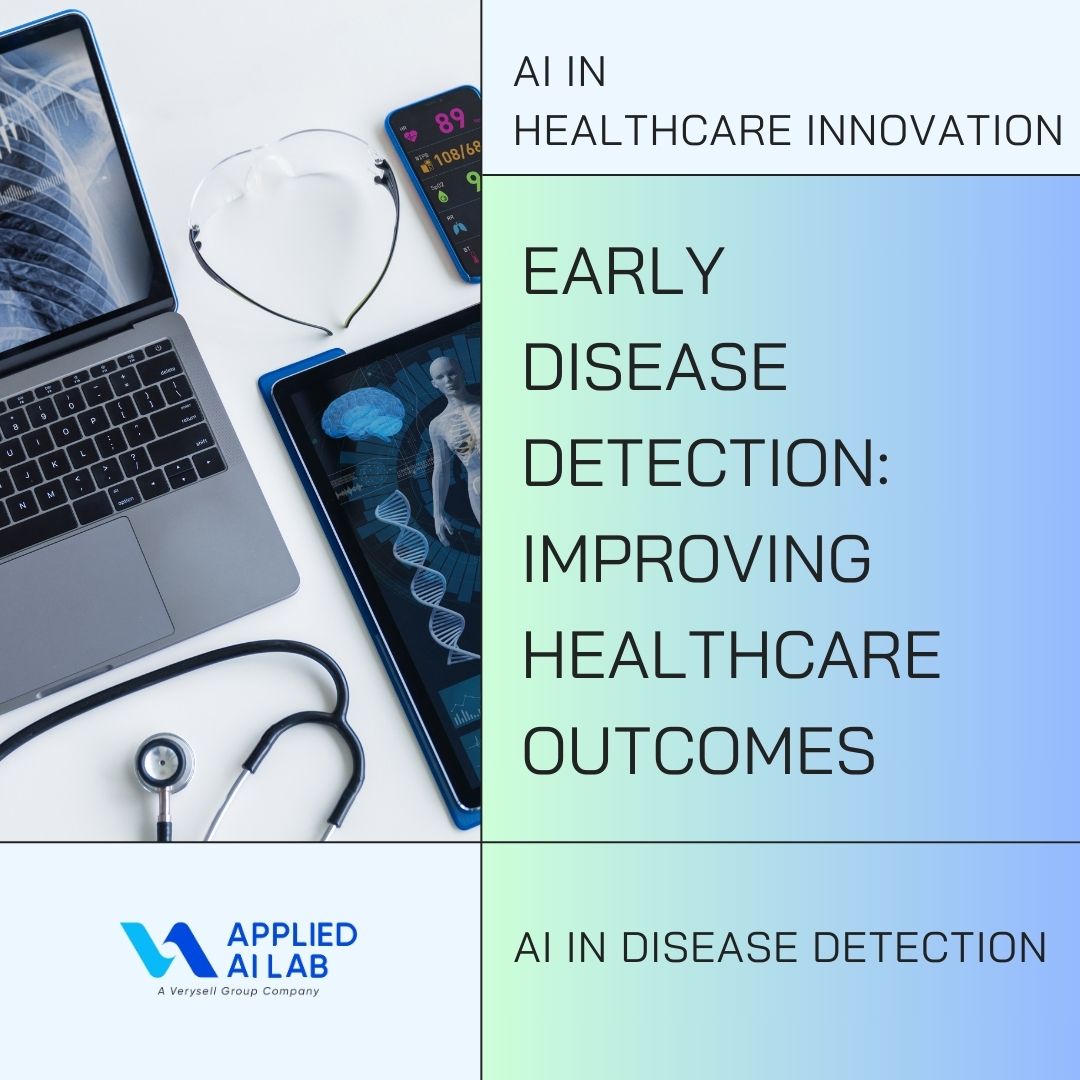
The healthcare industry has always been at the forefront of adopting new technologies to improve patient care. From the introduction of computed tomography (CT) scans in the 1970s to the rise of digital health platforms in the 1980s, innovation has been a constant driver of progress. Today, AI is the latest tool reshaping the field, with applications ranging from patient data analysis to drug discovery.
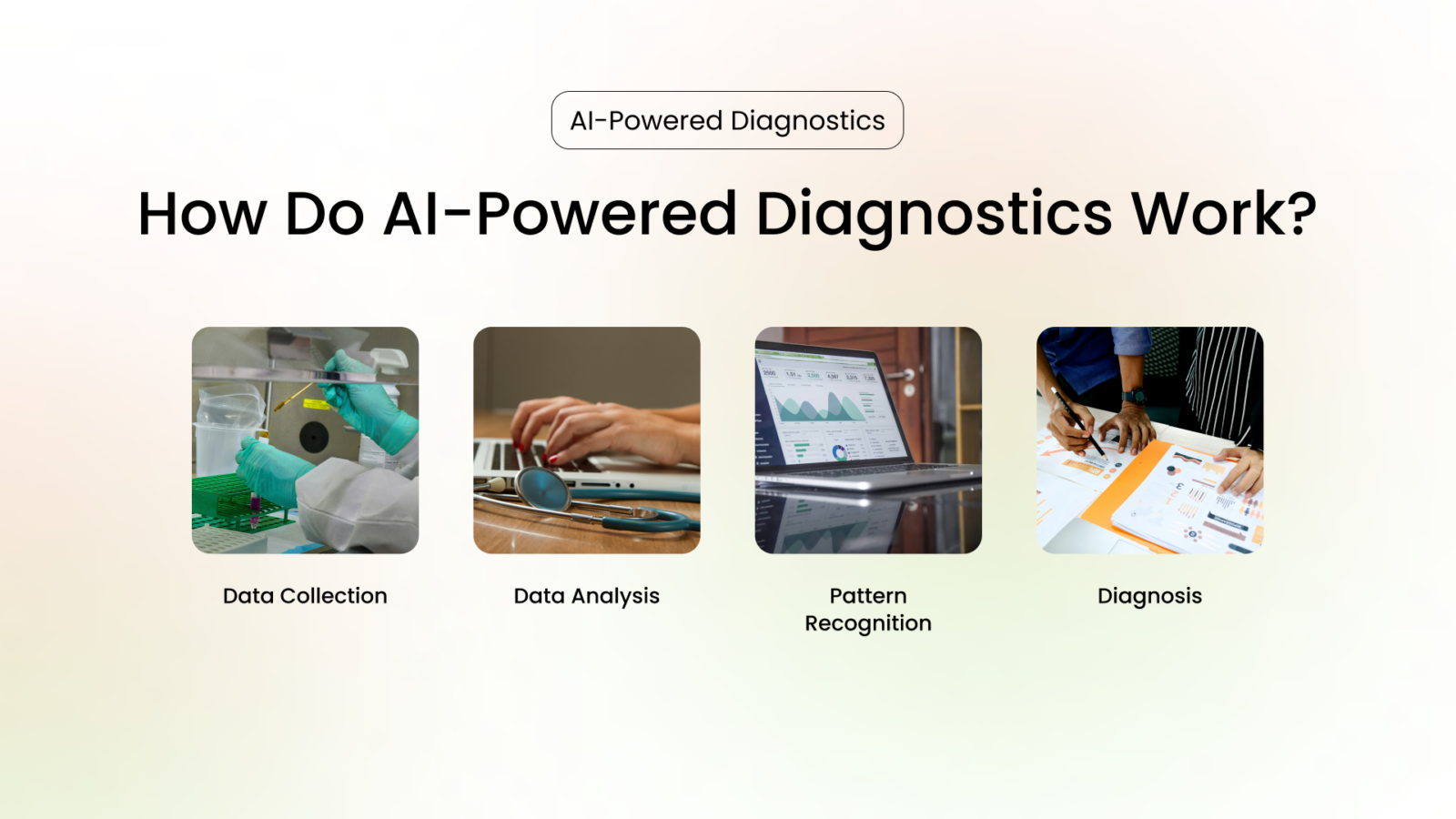
AI's ability to process vast amounts of data quickly and accurately has made it an invaluable asset in diagnosing diseases. By analyzing medical images, lab results, and patient histories, AI systems can detect patterns that might be missed by human eyes. This capability is particularly crucial in early disease detection, where timely intervention can make all the difference in a patient's outcome.
AI-Powered Diagnostic Tools
One of the most significant advancements in AI-assisted early disease detection is the development of medical imaging analysis tools. These tools use deep learning algorithms to analyze X-rays, MRIs, and CT scans with remarkable accuracy. Studies have shown that AI systems can achieve up to 92% accuracy in diagnostic evaluations, often outperforming traditional methods.
For example, AI algorithms have been trained to detect lung cancer, diabetic retinopathy, and breast cancer with high precision. These systems can spot subtle changes in medical images that might be overlooked by even the most experienced radiologists. This not only improves diagnostic accuracy but also reduces the time needed to reach a diagnosis, allowing for quicker treatment interventions.
In addition to imaging, AI is also being used to analyze lab test results and other clinical data. By integrating multiple data sources, AI can create personalized risk assessments for patients, identifying potential health issues before symptoms appear. This proactive approach to healthcare is changing the way doctors manage chronic conditions and prevent disease progression.
Real-Time Patient Monitoring Systems
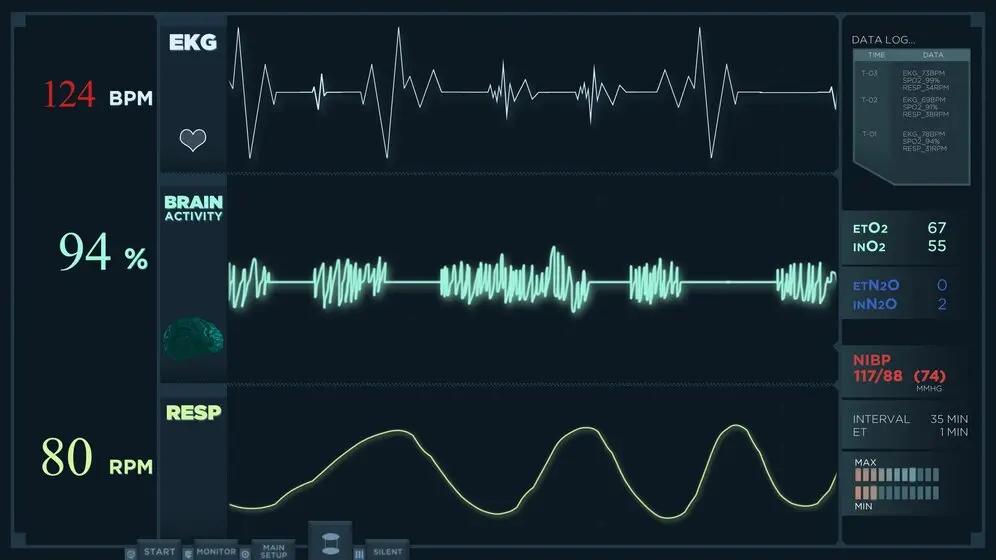
Another area where AI is making a significant impact is in real-time patient monitoring. Remote Patient Monitoring (RPM) systems use AI algorithms to track vital signs and other health indicators, providing continuous insights into a patient's condition. These systems can detect anomalies and alert healthcare providers to potential issues before they escalate.
For instance, AI-powered RPM systems can monitor heart rate, blood pressure, and oxygen levels, identifying early signs of cardiovascular events. By analyzing trends over time, these systems can predict health risks and recommend preventive measures. This level of monitoring is especially beneficial for patients with chronic conditions, as it allows for more personalized and timely care.
Moreover, AI integration with wearable devices has enhanced the accuracy of health measurements. Machine learning algorithms help filter out noise and provide more reliable data, ensuring that healthcare providers receive accurate information to make informed decisions. This technology not only improves patient outcomes but also reduces the need for frequent in-person visits, making healthcare more accessible and efficient.
Streamlining Administrative Tasks
Beyond diagnostics and monitoring, AI is also transforming the administrative side of healthcare. Medical professionals often spend a significant amount of time on paperwork, which can lead to burnout and reduce the time available for patient care. AI-powered automation tools are helping to alleviate this burden by streamlining routine tasks such as insurance verification, appointment scheduling, and medical transcription.
Natural Language Processing (NLP) technologies enable AI systems to understand and generate human-like text, making it easier to automate documentation and communication. For example, ambient listening technologies like Dax Copilot can automatically document patient visits, reducing the time clinicians spend on administrative work. This allows healthcare providers to focus more on their patients, ultimately improving the quality of care.
Additionally, AI-driven resource management systems help hospitals and clinics optimize their operations. By analyzing patient admissions, staff availability, and equipment usage, these systems can predict supply needs and prevent shortages. This level of efficiency not only saves costs but also ensures that healthcare facilities can respond effectively to changing demands.
The Future of AI in Healthcare
As AI continues to evolve, its role in early disease detection and overall healthcare delivery will only grow. With advancements in machine learning and predictive analytics, AI systems will become even more adept at identifying health risks and personalizing treatment plans. This will lead to more effective interventions and better patient outcomes.
Moreover, the integration of AI with other emerging technologies, such as robotics and wearable devices, will further enhance healthcare capabilities. For example, AI-powered robots like Moxi can assist nursing staff in hospitals, performing tasks such as delivering supplies and fetching lab samples. This not only improves workflow efficiency but also allows healthcare professionals to focus on more critical aspects of patient care.
Looking ahead, the healthcare industry must continue to invest in AI research and development while addressing challenges such as data privacy and regulatory compliance. By fostering collaboration between healthcare providers, technology companies, and policymakers, the potential of AI in healthcare can be fully realized.
Conclusion
AI-assisted early disease detection is revolutionizing modern healthcare by enabling faster, more accurate diagnoses and improving patient outcomes. From advanced imaging analysis tools to real-time monitoring systems and administrative automation, AI is transforming every aspect of healthcare delivery. As the field continues to evolve, the integration of AI will play a crucial role in shaping the future of medicine, making healthcare more efficient, accessible, and effective for patients around the world.

Post a Comment for "How AI Assisted Early Disease Detection is Revolutionizing Modern Healthcare"
Post a Comment