How AI Assisted Diagnostic Support is Revolutionizing Modern Healthcare
In the ever-evolving landscape of healthcare, one innovation stands out as a game-changer: AI-assisted diagnostic support. From accelerating disease detection to improving patient outcomes, this technology is reshaping how medical professionals approach diagnosis and treatment. As we move deeper into 2025, the integration of artificial intelligence into healthcare is no longer a futuristic concept—it’s a reality that’s transforming the industry.
This article explores the role of AI in modern diagnostics, highlights key tools driving this transformation, and discusses the challenges and opportunities that come with it. Whether you're a healthcare professional, a tech enthusiast, or simply someone interested in the future of medicine, this guide will provide valuable insights into how AI is revolutionizing the way we diagnose and treat illness.
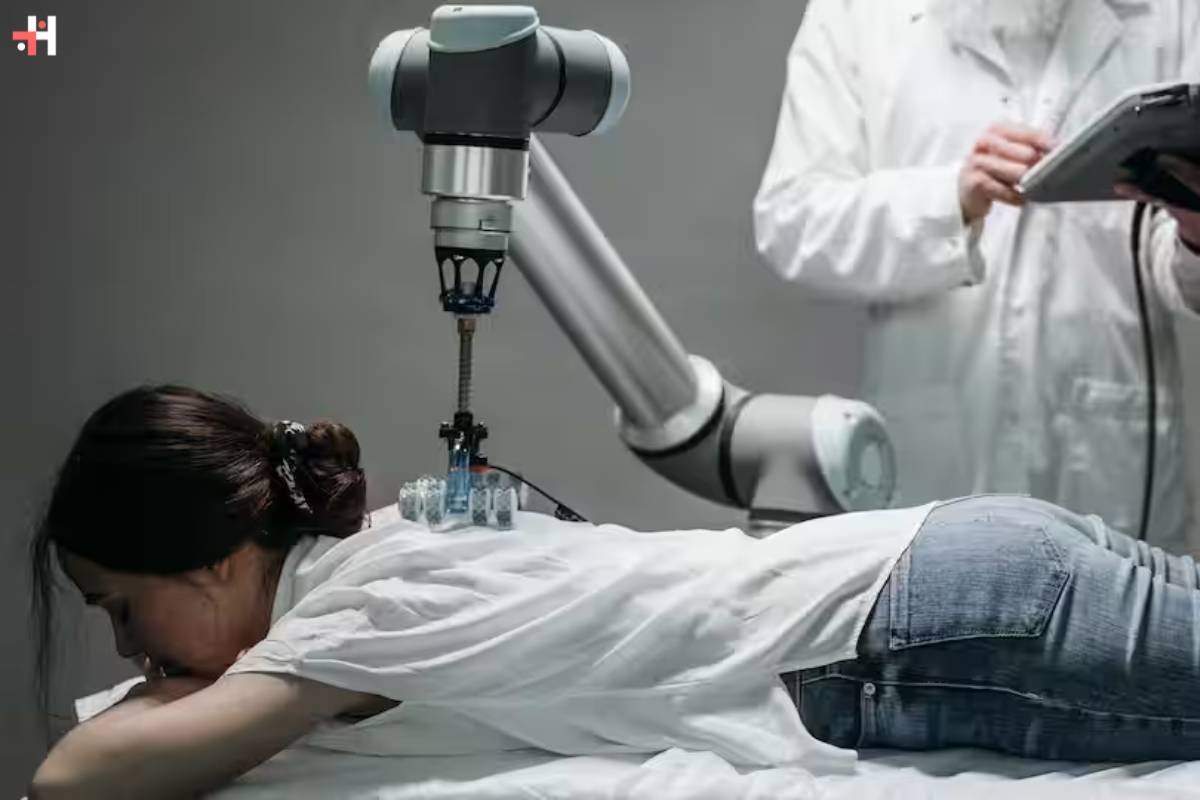
The Rise of AI in Healthcare Diagnostics

Artificial intelligence has been quietly making its mark on healthcare for years, but the recent surge in generative AI (GenAI) has accelerated its adoption. Traditional AI applications—such as predictive analytics and image recognition—have long been used to analyze patient data, detect patterns, and support clinical decision-making. However, the emergence of GenAI has opened up new possibilities, from automating documentation to assisting in drug discovery.
Healthcare organizations are now leveraging AI not just for efficiency, but for enhanced accuracy and personalized care. Tools like Ada Health’s AI chatbot, Merck’s Aiddison, and Nuance’s Dax Copilot are being used by hospitals, pharmaceutical companies, and insurers to streamline workflows, reduce errors, and improve patient engagement.
Key AI-Assisted Diagnostic Tools
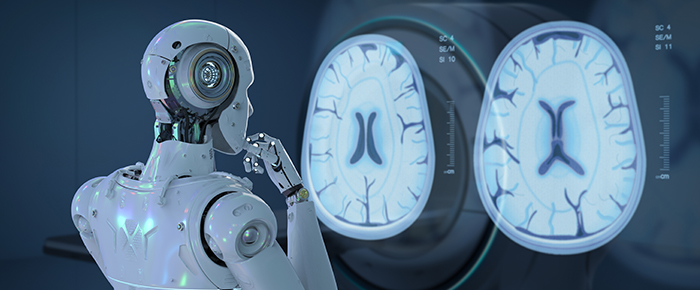
Several AI-powered platforms have emerged as leaders in the field of diagnostic support. These tools are designed to assist clinicians in analyzing complex data, identifying potential health risks, and making informed decisions. Here are some of the most impactful tools currently shaping the industry:
1. Ada Health
Ada Health’s AI chatbot offers self-service diagnostic services to patients, asking them questions about their symptoms and generating personalized assessments. It can also direct users to appropriate care services. While primarily aimed at individuals, doctors and hospitals use it to help patients understand their options and access the right care.
2. Aiddison by Merck
Aiddison is an AI-assisted drug discovery tool that uses machine learning and molecular modeling to identify potential drug compounds. By combining ligand-based and structure-based approaches, it significantly reduces the time and cost associated with drug development.
3. BioMorph
BioMorph leverages deep learning to analyze how chemical compounds interact with cells, predicting drug efficacy and side effects before clinical trials. This helps researchers make more informed decisions, reducing costs and speeding up the approval process.
4. Dax Copilot by Nuance
Dax Copilot is a GenAI tool designed to increase clinician efficiency by automating documentation based on voice conversations during patient visits. It integrates with electronic health record (EHR) systems, making it easier for providers to generate and file clinical notes.
5. Merative (formerly IBM Watson Health)
Merative is an AI-powered analytics platform that analyzes large volumes of clinical and patient data to support diagnoses, treatment planning, and patient monitoring. It exemplifies the continued importance of traditional AI tools in the era of GenAI.
Real-World Applications and Benefits

The impact of AI-assisted diagnostic support is evident across various aspects of healthcare. Let’s look at some practical examples:
Faster Diagnoses
AI tools can analyze medical images, such as X-rays and MRIs, with remarkable speed and accuracy. For example, AI algorithms can detect early signs of diseases like cancer or diabetic retinopathy, enabling earlier intervention and better outcomes.
Personalized Treatment Plans
By analyzing vast amounts of patient data, AI can help clinicians develop tailored treatment plans. This includes predicting which medications might be most effective for a particular patient, reducing trial-and-error approaches.
Improved Patient Engagement
AI-powered chatbots and virtual assistants are enhancing patient communication. They can answer questions, remind patients of appointments, and even provide mental health support. This leads to better adherence to treatment plans and improved overall health outcomes.
Cost Savings
AI-driven diagnostics can reduce the need for unnecessary tests and procedures, lowering healthcare costs. For instance, predictive analytics can identify high-risk patients who may benefit from preventive care, avoiding costly hospitalizations.
Challenges and Ethical Considerations

While the benefits of AI-assisted diagnostic support are clear, there are also significant challenges and ethical considerations to address:
Data Privacy and Security
AI systems rely on large datasets, often containing sensitive patient information. Ensuring the security and privacy of this data is critical. Generic AI tools, such as ChatGPT, may lack built-in controls for protecting healthcare data, requiring additional safeguards.
Bias and Fairness
AI models can inherit biases present in the data they’re trained on, leading to disparities in diagnosis and treatment. It’s essential to ensure that these tools are developed and tested using diverse datasets to avoid reinforcing existing inequalities.
Trust and Transparency
Patients and healthcare providers must trust AI tools to use them effectively. However, studies show that many people prefer human-only expertise, especially when it comes to diagnosis. Building trust requires transparency in how AI makes decisions and clear communication about its limitations.
Regulatory Compliance
As AI becomes more integrated into healthcare, regulatory frameworks must keep pace. Ensuring that AI tools meet safety and efficacy standards is crucial for widespread adoption.
The Future of AI in Healthcare
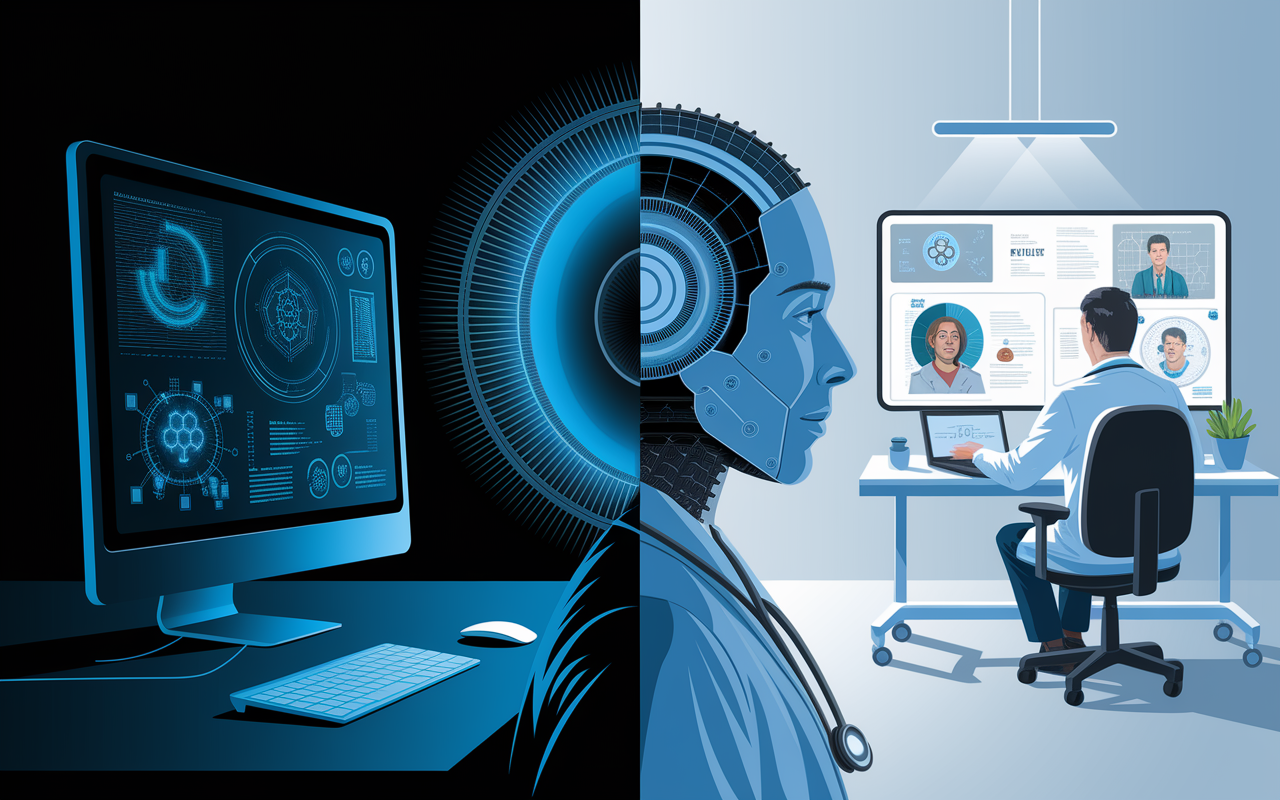
Looking ahead, the role of AI in healthcare is set to expand further. With advancements in generative AI, we can expect even more sophisticated tools that can assist in everything from drug discovery to robotic surgery. However, the success of these innovations will depend on addressing the challenges outlined above and fostering collaboration between technologists, clinicians, and policymakers.
For healthcare professionals, staying informed about AI developments is essential. For patients, understanding how AI can enhance their care while maintaining the human touch is equally important. As we continue to navigate this transformative era, one thing is clear: AI-assisted diagnostic support is not just changing healthcare—it’s redefining it.

Post a Comment for "How AI Assisted Diagnostic Support is Revolutionizing Modern Healthcare"
Post a Comment