What Are Cognitive Support Peptide Supplements and How Do They Work?
If you're looking to boost your mental performance, enhance memory, or protect your brain from age-related decline, you might have heard of cognitive support peptide supplements. These compounds are gaining popularity as a natural way to optimize brain function. But what exactly are they, and how do they work? In this article, we’ll explore the science behind these supplements, their potential benefits, and what you need to know before trying them.
Understanding Cognitive Support Peptides

Cognitive support peptides are short chains of amino acids that can cross the blood-brain barrier, allowing them to interact directly with brain cells. Unlike traditional nootropics, which often affect multiple systems in the body, peptides are designed to target specific areas of the brain responsible for memory, focus, and mood regulation.
These peptides act as signaling molecules, influencing neurotransmitter activity and promoting the growth of new neural connections. This makes them particularly effective for enhancing cognitive functions like learning, problem-solving, and attention.
Some of the most well-known cognitive support peptides include Semax, Selank, Dihexa, and Cerebrolysin. Each has unique properties that make it suitable for different purposes, whether it's improving memory, reducing anxiety, or supporting neuroprotection.
How Cognitive Support Peptides Work

The mechanism by which cognitive support peptides operate is complex but fascinating. Here’s a breakdown of how they influence brain function:
1. Neurotransmitter Modulation
Peptides can enhance the release and uptake of neurotransmitters such as dopamine, serotonin, and acetylcholine. These chemicals play a crucial role in regulating mood, focus, and memory. By optimizing their levels, peptides can help improve mental clarity and emotional stability.
2. Neuroplasticity Enhancement
Neuroplasticity refers to the brain’s ability to form new connections and adapt to new information. Certain peptides stimulate this process, making it easier to learn new skills and retain information. This is especially beneficial for students, professionals, and anyone looking to improve their cognitive flexibility.
3. Neuroprotection
Many cognitive support peptides have protective effects on brain cells. They can reduce inflammation, combat oxidative stress, and prevent the buildup of harmful proteins associated with neurodegenerative diseases like Alzheimer’s. This makes them a promising tool for long-term brain health.
4. Improved Blood Flow
Some peptides increase blood flow to the brain, delivering more oxygen and nutrients to neurons. This enhanced circulation can lead to better cognitive performance, reduced fatigue, and improved mental endurance.
The Benefits of Cognitive Support Peptides
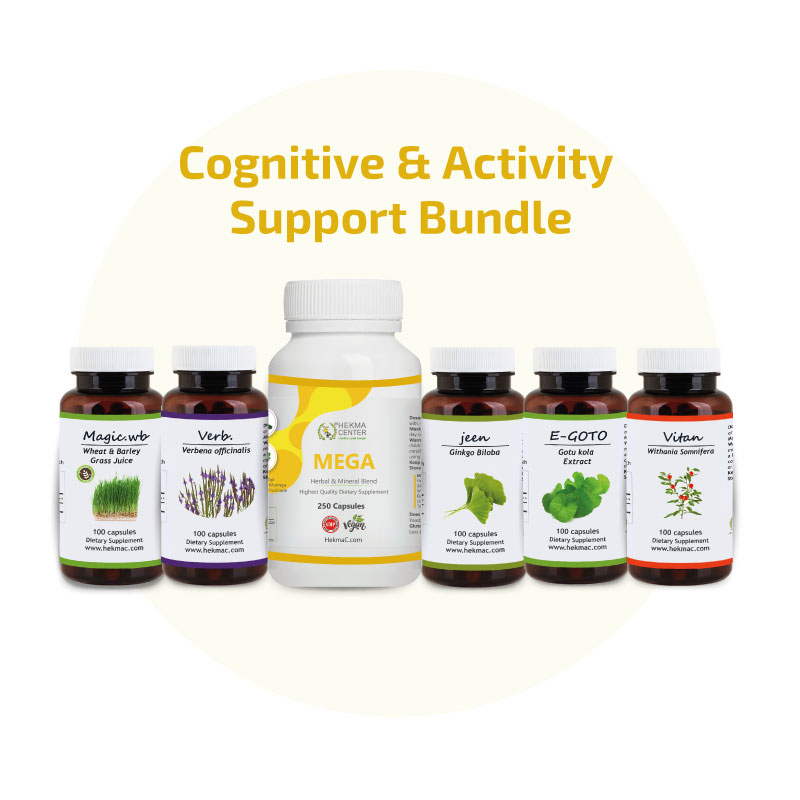
Research suggests that cognitive support peptides offer a range of benefits, from boosting memory to protecting against cognitive decline. Here are some of the key advantages:
- Enhanced Memory and Learning: Peptides like Semax and Dihexa have been shown to improve memory formation and recall, making them ideal for students or professionals who need to absorb and retain information quickly.
- Reduced Anxiety and Stress: Selank, for example, has anxiolytic properties that can help calm the mind and reduce stress-related cognitive impairments.
- Improved Focus and Attention: Many peptides enhance concentration by modulating neurotransmitter activity, helping users stay focused for longer periods.
- Neuroprotection: Cerebrolysin and other peptides may slow down age-related cognitive decline, offering long-term benefits for brain health.
- Mood Regulation: Some peptides, like PE-22-28, have been studied for their potential to alleviate symptoms of depression and anxiety.
These benefits make cognitive support peptides a valuable tool for anyone looking to optimize their mental performance.
Popular Cognitive Support Peptides

Here are some of the most widely studied and used cognitive support peptides:
1. Semax
- Key Benefits: Improves memory, attention, and learning; neuroprotective
- Mechanism: Enhances BDNF (brain-derived neurotrophic factor) production, which supports neuron growth and survival
- Best For: Students, professionals, and those looking to improve cognitive resilience
2. Selank
- Key Benefits: Reduces anxiety; enhances learning and memory
- Mechanism: Regulates neurotransmitter activity and reduces inflammation
- Best For: Individuals dealing with stress, anxiety, or ADHD
3. Dihexa
- Key Benefits: Promotes synapse formation; potential for repairing brain damage
- Mechanism: Stimulates neuroplasticity and helps repair damaged neural connections
- Best For: Those recovering from brain injuries or looking to prevent cognitive decline
4. Cerebrolysin
- Key Benefits: Supports neuron growth and function; improves cognitive function
- Mechanism: Contains a mix of amino acids and neuropeptides that promote brain health
- Best For: People with dementia, autism, or other neurological conditions
Safety and Side Effects

While cognitive support peptides are generally considered safe, they are not without risks. It's important to understand the potential side effects and consult with a healthcare professional before starting any regimen.
- Common Side Effects: Headaches, nausea, fatigue, and mild gastrointestinal discomfort
- Interactions: Peptides may interact with medications, especially those affecting the nervous system
- Long-Term Risks: Limited research exists on the long-term effects of many peptides, so caution is advised
It's also important to note that not all peptides are FDA-approved, and some may be sold as dietary supplements rather than pharmaceuticals. Always choose reputable suppliers and follow recommended dosages.
How to Use Cognitive Support Peptides

Using cognitive support peptides effectively requires careful planning and consistency. Here are some tips for getting the most out of them:
- Start with Low Doses: Begin with a small amount to gauge your body’s response.
- Follow Recommended Protocols: Many peptides have specific dosing guidelines based on their intended use.
- Combine with Healthy Habits: Peptides work best when paired with a balanced diet, regular exercise, and adequate sleep.
- Monitor Your Progress: Keep track of changes in your cognitive function, mood, and overall well-being.
It’s also wise to cycle your use of peptides to avoid tolerance and maintain their effectiveness over time.
The Future of Cognitive Support Peptides

As research into cognitive support peptides continues to expand, we’re likely to see even more breakthroughs in the field of brain optimization. Scientists are exploring new ways to harness the power of these compounds, from personalized peptide therapies to combinations with other cognitive enhancers.
In the future, cognitive support peptides could become a standard part of cognitive health strategies, helping people of all ages maintain sharp minds and strong mental performance. As our understanding of the brain deepens, so too will the potential of these powerful tools.
Conclusion

Cognitive support peptide supplements offer a promising avenue for enhancing brain function, improving memory, and protecting against cognitive decline. With their ability to target specific areas of the brain and influence key biological processes, these peptides are becoming increasingly popular among biohackers, students, and professionals alike.
However, it’s important to approach their use with care and awareness. While the benefits are significant, so are the risks. Always consult with a healthcare provider, start with low doses, and combine peptides with healthy lifestyle habits for the best results.
As the field of cognitive enhancement continues to evolve, cognitive support peptides may play a central role in helping us unlock our full mental potential. Whether you're looking to boost your productivity, protect your brain, or simply stay sharp as you age, these supplements could be a valuable addition to your wellness routine.

Post a Comment for "What Are Cognitive Support Peptide Supplements and How Do They Work?"
Post a Comment