Understanding AI Precision Medicine Solutions: Transforming Healthcare Today
In an era where technology is reshaping every aspect of our lives, healthcare is no exception. The integration of artificial intelligence (AI) into medical practices has led to the emergence of AI precision medicine solutions—innovative tools that are redefining how we diagnose, treat, and manage diseases. From early detection of conditions like cancer to personalized treatment plans, these technologies are not just enhancing efficiency but also improving patient outcomes in unprecedented ways.
This article explores the transformative power of AI in precision medicine, highlighting its applications, benefits, and the future it promises for the healthcare industry. Whether you're a healthcare professional, a patient, or simply curious about the latest advancements, this guide will provide you with a clear understanding of how AI is revolutionizing medicine today.
What Are AI Precision Medicine Solutions?
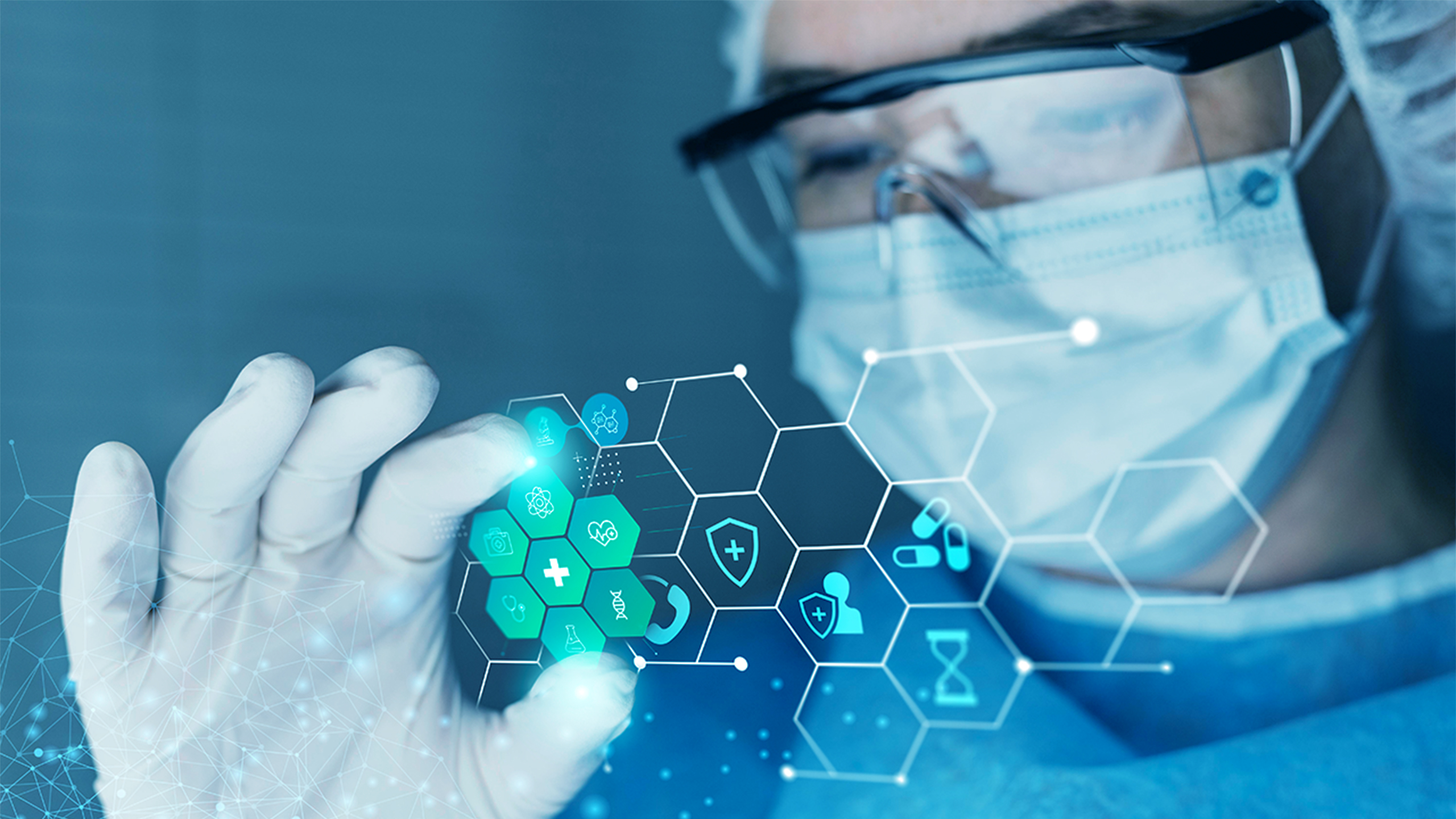
AI precision medicine solutions refer to the use of artificial intelligence to tailor medical treatments to individual patients based on their unique genetic makeup, lifestyle, and environmental factors. Unlike traditional one-size-fits-all approaches, these solutions leverage advanced algorithms to analyze vast amounts of data, enabling more accurate diagnoses and customized treatment strategies.
At the heart of these solutions is the ability to process complex datasets—from genomic information to electronic health records—quickly and efficiently. This allows healthcare providers to make informed decisions that are specific to each patient’s needs, ultimately leading to better health outcomes.
For instance, AI-powered diagnostic tools can detect early signs of diseases such as cancer or heart disease by analyzing imaging scans or lab results. These tools are often trained on large datasets, allowing them to recognize patterns that might be missed by human eyes.
Key Applications of AI in Precision Medicine
The applications of AI in precision medicine are diverse and far-reaching. Here are some of the most impactful areas:
1. Enhanced Diagnostics
AI-driven diagnostic systems are transforming the way diseases are detected. For example, platforms like Qure.ai use deep learning to interpret X-rays and CT scans in seconds, identifying anomalies such as lung nodules or fractures with accuracy comparable to expert radiologists. Similarly, in pathology, AI models powered by convolutional neural networks (CNNs) can detect cancerous cells on biopsy slides, reducing false negatives and accelerating turnaround times.
2. Personalized Drug Discovery
Developing new drugs traditionally takes years and billions of dollars, but AI is changing that. Startups like Recursion and Insilico Medicine use generative models to screen vast chemical libraries, narrowing down candidates in weeks instead of years. Predictive algorithms also help identify patient subgroups most likely to respond to a drug, improving trial design and reducing costly failures.
3. Predictive Analytics for Preventive Care
AI's ability to analyze electronic health records (EHRs), genomics, and real-world data enables predictive analytics that can forecast health risks. Hospitals use machine learning to identify patients at high risk of readmission, enabling targeted interventions that reduce 30-day readmission rates by up to 20%. AI also helps in managing chronic diseases like diabetes or heart failure by stratifying patients into risk categories and triggering personalized care pathways.
4. Robotic Surgery with AI Guidance
Robotic surgery has evolved from manual tele-operation to semi-autonomous procedures guided by AI. Real-time guidance systems analyze intraoperative video feeds to warn surgeons of critical structures, reducing inadvertent tissue damage. Machine learning-driven robotic arms can perform suturing and knot-tying with sub-millimeter precision, cutting operative time and improving surgical outcomes.
The Role of AI in Cancer Management
Cancer management is one of the most promising areas for AI precision medicine solutions. According to a review published in the World Journal of Advance Pharmaceutical Sciences, AI enhances diagnostic accuracy, treatment personalization, and patient outcomes. Machine learning and deep learning algorithms assist in early detection, precise treatment planning, and prognosis prediction.
For example, AI-driven tools are used for early detection via imaging, precision diagnosis, and personalized treatment plans. In the U.S., the National Cancer Institute (NCI) recognizes the potential of AI, machine learning (ML), and deep learning (DL) in advancing cancer care and improving patient outcomes. AI can adjust the usage of anticancer drugs, estimate tolerance, and aid oncologists in developing more effective treatment strategies.
Moreover, the Journal of Emerging Technologies and Innovative Research highlights how machine learning (ML) has enhanced immunotherapeutic precision rates and operational efficiency throughout all therapeutic steps, including biomarker designation, patient classification, and response prediction. These advancements are paving the way for more effective and personalized cancer treatments.
Challenges and Future Outlook
Despite the numerous benefits, the adoption of AI precision medicine solutions is not without challenges. Issues such as data quality, ethical concerns, and regulatory frameworks remain significant barriers to widespread implementation. However, ongoing research and collaboration among global partners are addressing these hurdles.
For instance, Biomedica, a leader in AI-based osteoporosis and sarcopenia screening, is showcasing next-generation precision medicine solutions at the 2025 Health Care Expo Taiwan. Their AIXA® AI diagnostic suite leverages a single X-ray image to generate automated quantitative reports within six seconds, enhancing workflow efficiency across clinical settings.
Collaborations with companies like NTT DATA Taiwan, HPE, and AUO are helping to build a unified smart healthcare ecosystem. These partnerships ensure secure and scalable medical data transactions, enabling large-scale NGS processing and clinical-grade AI deployment.
As AI continues to evolve, the future of precision medicine looks increasingly promising. With continued investment, innovation, and regulatory support, AI has the potential to revolutionize healthcare, making it more efficient, personalized, and accessible for all.
[IMAGE: AI precision medicine solutions transforming healthcare through diagnostics, drug discovery, and personalized treatment]
Conclusion
AI precision medicine solutions are at the forefront of a healthcare revolution, offering unprecedented opportunities for improved diagnosis, treatment, and patient care. By leveraging the power of artificial intelligence, healthcare providers can deliver more accurate, personalized, and efficient care tailored to the unique needs of each individual.
From enhanced diagnostics and personalized drug discovery to predictive analytics and robotic surgery, AI is transforming every aspect of medicine. While challenges remain, the collaborative efforts of researchers, healthcare professionals, and technology companies are paving the way for a future where AI plays a central role in shaping the next generation of healthcare.
As we continue to explore the potential of AI in precision medicine, one thing is clear: the future of healthcare is being shaped by intelligent algorithms that are not only improving outcomes but also redefining what is possible in medicine today.

Post a Comment for "Understanding AI Precision Medicine Solutions: Transforming Healthcare Today"
Post a Comment