Top Continuous Glucose Monitoring Tips for Effective Blood Sugar Management
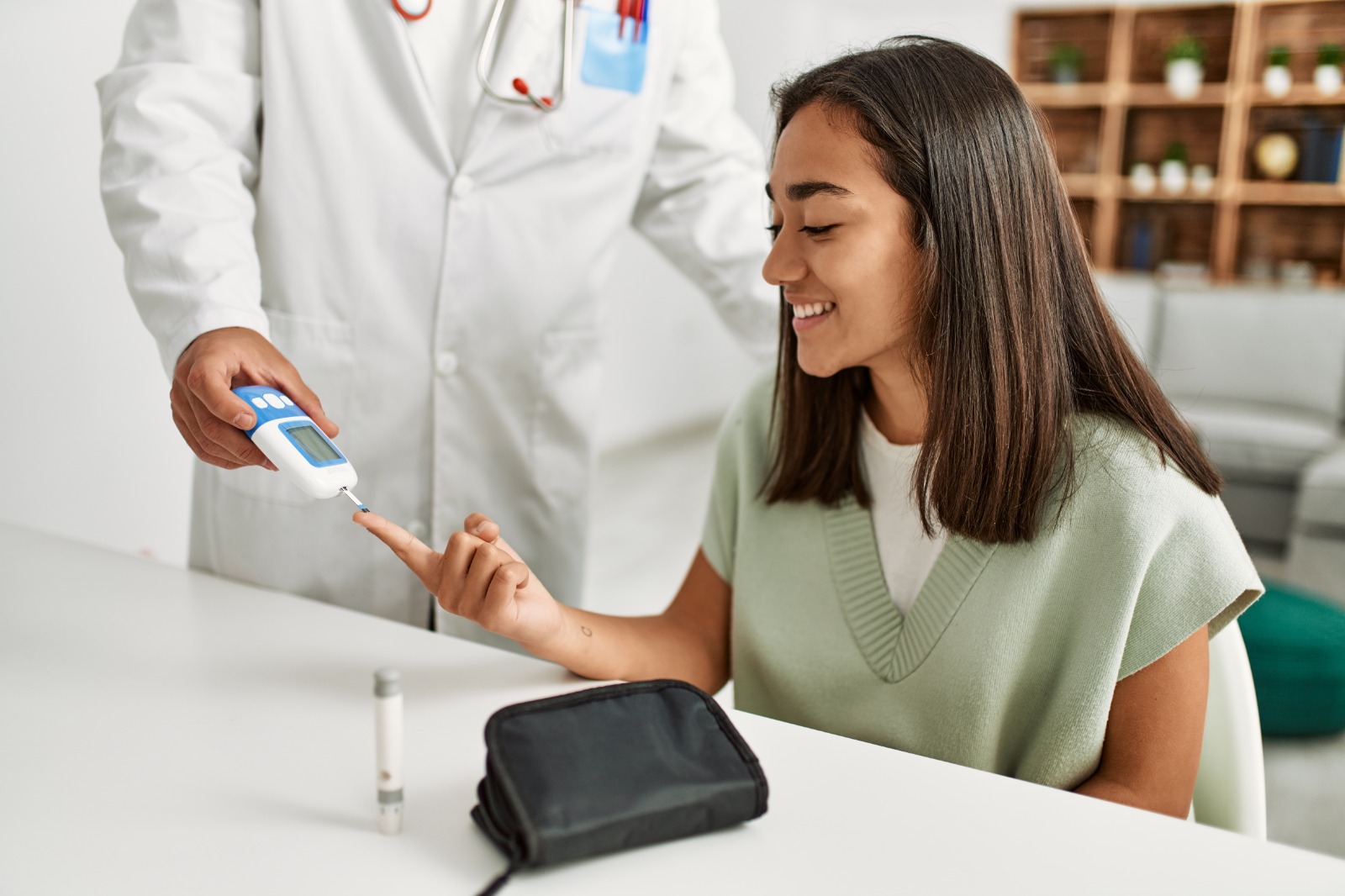
Continuous glucose monitoring (CGM) has become a game-changer for individuals managing diabetes or simply looking to understand their body's response to food and activity. This technology provides real-time insights into blood sugar levels, allowing users to make informed decisions about diet, exercise, and medication. Whether you're newly diagnosed or have been managing diabetes for years, these tips will help you get the most out of your CGM.
Choosing the Right Sensor Placement
The first step in using a CGM effectively is selecting the right placement for the sensor. Most manufacturers recommend the back of the upper arm or the abdomen as suitable sites. These areas are typically flat and have enough subcutaneous fat to ensure the sensor stays in place. Avoid areas with scars, tattoos, or irritation, as they can affect accuracy. It's also important to keep the sensor at least three inches away from any insulin injection or infusion pump sites.
Before applying the sensor, clean the chosen area thoroughly with an alcohol wipe and allow it to dry completely. This helps the adhesive stick better and reduces the risk of infection. Using an applicator, insert the sensor just under the skin with minimal discomfort. Once placed, gently rub around the adhesive patch to ensure a secure seal that can withstand daily activities.
Activating Your CGM Device
After placing the sensor, the next step is to activate the device. This usually involves entering a unique code found on the packaging into the app or receiver. Some systems allow you to scan the sensor directly, which simplifies the process. Activation pairs the sensor with the reading device, enabling it to start collecting and transmitting data.
Following activation, there is typically a warm-up period of 30 minutes to two hours. During this time, the sensor acclimates to the interstitial fluid and calibrates its measurements. No glucose readings are available until this warm-up is complete. It's essential to be patient during this phase to ensure accurate results.
Understanding Glucose Data and Trends
One of the primary benefits of a CGM is its ability to provide dynamic information. The display shows the current glucose reading alongside a trend arrow, indicating the direction and rate of change. Understanding these trend arrows is crucial for proactive management:
- A single arrow pointing straight up or down signals a rapid change, often 60 to 90 mg/dL within 30 minutes.
- A diagonal arrow indicates a slower, more gradual change of about 30 to 60 mg/dL in the same time frame.
- A straight horizontal arrow means the glucose level is relatively stable.
- Double arrows pointing up or down warn of a very fast, steep change, sometimes exceeding 90 mg/dL in 30 minutes, requiring immediate attention.
In addition to the immediate number and arrow, the device’s software allows users to review historical data, typically presented as a graph showing glucose fluctuations over several hours or days. Analyzing these graphs helps identify patterns, such as consistent spikes after certain meals or dips during specific times of the day, like overnight or after exercise.
Time in Range (TIR)
A significant metric for long-term management is Time in Range (TIR), which measures the percentage of time a person’s glucose level remains within a predetermined target range, commonly set between 70 and 180 mg/dL. TIR offers a more complete picture of glucose control than a single A1C value, which only provides an average. The goal for most people is to achieve a TIR of 70% or more, which has been shown to correlate with a lower risk of complications.
Sensor Care and Replacement
Daily care of the sensor focuses on protecting the adhesive patch and the device itself from physical dislodgement or damage. The sensor is water-resistant, allowing for showering, swimming, and exercise, but prolonged immersion should be avoided. Be careful when drying off with a towel or dressing to avoid snagging the sensor on clothing, which can pull it off prematurely. Some users apply an overpatch or medical tape around the adhesive for extra security, especially during activities that involve heavy sweating or contact.
If the sensor falls off before its designated wear period is complete, it cannot be reinserted or reused, and a new sensor must be applied. When the sensor reaches the end of its lifespan, often 10 to 14 days, the application will notify the user that it is time for replacement. To remove the old sensor, gently peel the adhesive away from the skin, often using an adhesive remover wipe or baby oil to help loosen the edges. After removal, select a completely new site for the next sensor to promote skin health.
Managing Costs and Insurance Coverage
The cost of a CGM can vary depending on the brand and model. For example, Dexcom’s Stelo is available over-the-counter and costs $99 per month, with two sensors shipped every 15 days. Insurance coverage may also play a role, as CGMs are typically prescribed for Type 1 Diabetics or those at high risk of hypoglycemia. However, some models are now available without a prescription, making them more accessible to a broader audience.
When considering the cost, it's important to weigh the benefits against the financial commitment. For some, the initial expense may be a barrier, but the long-term advantages of improved blood sugar management can outweigh the cost. Additionally, many insurance plans now cover CGMs, so it's worth checking with your provider to see what options are available.
Practical Tips for Daily Use
Using a CGM effectively requires a bit of practice and patience. Here are some practical tips to keep in mind:
- Consistency: Apply the sensor at the same time each day to maintain a routine.
- Hygiene: Always wash your hands and the sensor site with soap and water before application.
- Avoid Moisture: Keep the sensor away from lotions or moisturizers, as they can interfere with adhesion.
- Monitor Alerts: Pay attention to alerts and notifications, as they can signal rapid changes in glucose levels.
- Stay Informed: Regularly review your data with your healthcare provider to make necessary adjustments to your treatment plan.
Conclusion
Continuous glucose monitoring is a powerful tool that can significantly improve your ability to manage blood sugar levels. By following these tips, you can ensure accurate readings, maximize the benefits of your CGM, and make informed decisions about your health. Whether you're managing diabetes or simply looking to understand your body better, a CGM can provide valuable insights that lead to better outcomes. With proper care, consistent use, and a focus on understanding the data, you can take control of your health and achieve your goals.

Post a Comment for "Top Continuous Glucose Monitoring Tips for Effective Blood Sugar Management"
Post a Comment