Top AI Tools for Personalized Risk Assessment in 2025
In an era where data is more abundant than ever, the ability to assess and manage risk has become a critical differentiator for businesses across industries. Traditional risk management approaches, while foundational, often fall short in addressing the dynamic and complex nature of modern threats. Enter AI tools for personalized risk assessment—innovative solutions that leverage machine learning, natural language processing, and advanced analytics to deliver tailored insights. These tools are not just transforming how organizations identify and mitigate risks; they're redefining what it means to be proactive in a rapidly evolving landscape.

The Evolution of Risk Management with AI

Risk management has always been about anticipating potential threats and preparing for them. However, as the volume and complexity of data have grown exponentially, so too have the challenges of making sense of it all. AI tools for personalized risk assessment offer a way forward by automating the analysis of vast datasets and identifying patterns that might otherwise go unnoticed. This shift from reactive to proactive risk management is not just theoretical—it's already being implemented by leading organizations worldwide.
One of the most significant advantages of AI in risk assessment is its ability to process unstructured data. Unlike traditional systems that rely on predefined rules and structured inputs, AI can analyze text, images, and other forms of data to uncover hidden risks. For example, in the financial sector, AI models can scan through thousands of documents, emails, and transaction records to detect anomalies that could indicate fraud or money laundering. This level of detail and speed is impossible to achieve with manual processes alone.
Key Features of AI Tools for Personalized Risk Assessment

When evaluating AI tools for personalized risk assessment, several key features stand out:
- Machine Learning Algorithms: These algorithms learn from historical data to predict future risks. They can adapt over time, improving their accuracy as they process more information.
- Natural Language Processing (NLP): NLP enables AI to understand and interpret human language, making it possible to analyze customer feedback, social media posts, and other textual data for sentiment and risk indicators.
- Predictive Analytics: By analyzing trends and patterns, AI can forecast potential risks before they materialize. This is particularly useful in areas like cybersecurity, where early detection can prevent significant damage.
- Real-Time Monitoring: Many AI tools offer real-time monitoring capabilities, allowing organizations to respond to threats as they occur rather than after the fact.
- Customizable Dashboards: These dashboards provide users with a visual representation of risk metrics, making it easier to track and manage risks across different departments or business units.
Real-World Applications of AI in Risk Assessment
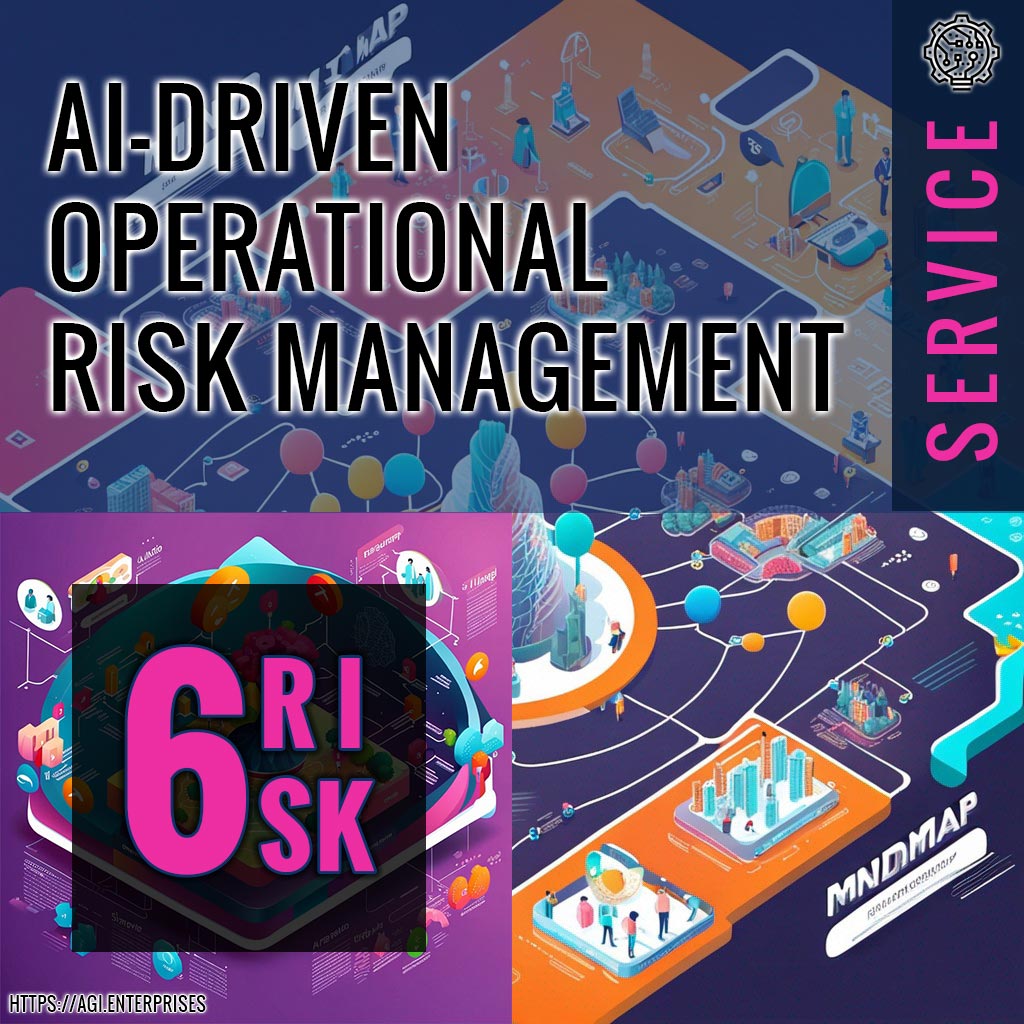
The impact of AI tools for personalized risk assessment is best understood through real-world applications. Here are a few examples:
- Fraud Detection: Financial institutions are using AI to detect fraudulent transactions in real-time. By analyzing transaction patterns and user behavior, these systems can flag suspicious activity and prevent losses.
- Cybersecurity: AI-powered threat detection systems monitor network traffic and user behavior to identify potential breaches. These systems can also learn from past attacks to improve their defenses over time.
- Compliance Monitoring: Regulatory compliance is a complex and ever-changing landscape. AI tools help organizations stay ahead by continuously monitoring for changes in regulations and ensuring that their practices remain compliant.
- Operational Risk Management: In manufacturing and logistics, AI can predict equipment failures and supply chain disruptions, allowing companies to take preventive measures.
Choosing the Right AI Tool for Your Organization

Selecting the right AI tool for personalized risk assessment requires careful consideration of your organization's specific needs. Here are some steps to guide you through the process:
- Identify Your Risk Areas: Start by pinpointing the areas where risk management is most critical for your business. This could include financial risks, cybersecurity threats, or regulatory compliance issues.
- Assess Data Availability: Ensure that you have access to the necessary data to train and deploy AI models. High-quality, well-structured data is essential for accurate risk assessments.
- Evaluate Vendor Capabilities: Look for vendors that offer customizable solutions and have a proven track record in your industry. Consider factors such as model accuracy, explainability, and integration capabilities.
- Pilot Testing: Before full deployment, conduct pilot tests to evaluate the effectiveness of the AI tool in a controlled environment. This will help you identify any potential issues and refine your approach.
- Training and Support: Invest in training programs to ensure that your team understands how to use the AI tool effectively. Ongoing support from the vendor is also crucial for long-term success.
Measuring the ROI of AI in Risk Management

While the benefits of AI in risk management are clear, measuring the return on investment (ROI) is equally important. Here are some key metrics to consider:
- Reduction in False Positives: AI can significantly reduce the number of false alerts, saving time and resources.
- Improved Detection Rates: Enhanced detection capabilities mean that potential threats are identified and addressed more quickly.
- Cost Savings: By preventing incidents and reducing the need for manual interventions, AI can lead to substantial cost savings.
- Increased Efficiency: Automating routine tasks allows teams to focus on more strategic activities, improving overall productivity.
Future Trends in AI for Risk Management
As we look ahead to the next decade, several trends are likely to shape the future of AI in risk management:
- Explainable AI (XAI): As AI becomes more integrated into decision-making processes, there will be a growing demand for transparency. XAI frameworks will help organizations understand and trust AI-driven decisions.
- Autonomous Systems: AI will increasingly operate autonomously, making decisions and taking actions without human intervention. This will require robust governance and oversight mechanisms.
- Integration with IoT: The Internet of Things (IoT) will provide even more data points for risk assessment, enabling more accurate and timely predictions.
- Ethical AI: As AI becomes more pervasive, ethical considerations will play a larger role. Organizations will need to ensure that their AI systems are fair, unbiased, and aligned with their values.
Conclusion
AI tools for personalized risk assessment are no longer a luxury—they're a necessity in today's fast-paced, data-driven world. By leveraging these technologies, organizations can gain deeper insights, make more informed decisions, and protect themselves from a wide range of risks. Whether you're in finance, healthcare, manufacturing, or any other industry, the right AI solution can transform your approach to risk management and drive long-term success.
If you're considering adopting AI for risk assessment, now is the time to start. Evaluate your options carefully, invest in the right tools, and ensure that your team is equipped to harness the full potential of these powerful technologies. The future of risk management is here, and it's powered by AI.

Post a Comment for "Top AI Tools for Personalized Risk Assessment in 2025"
Post a Comment