Top AI Tools for Personalized Health: Enhancing Wellness with Technology
In an age where technology is reshaping every aspect of our lives, the healthcare industry is no exception. From wearable devices that track your daily steps to artificial intelligence (AI) systems that analyze your health data, the integration of AI into personalized health is revolutionizing how we understand and manage our well-being. This article explores the most innovative AI tools for personalized health, offering insights into how they work, their benefits, and real-world applications.

Understanding AI in Personalized Health

Personalized health refers to tailoring medical care and wellness strategies to an individual’s unique genetic makeup, lifestyle, and health history. AI plays a crucial role in this process by analyzing vast amounts of data—such as heart rate variability, sleep patterns, and activity levels—from wearable devices and mobile apps. These tools can identify trends, detect anomalies, and provide actionable recommendations that are specific to each user.
For example, if you're trying to improve your sleep, an AI tool might analyze your sleep data over several weeks, compare it to population norms, and suggest tailored changes like adjusting your bedtime or reducing screen time before bed. This level of customization is what makes AI so powerful in the realm of personalized health.
Key AI Tools for Personalized Health

Several AI tools have emerged as leaders in the field of personalized health. Here are some of the most impactful ones:
1. Ada Health
Ada Health is an AI-powered chatbot that offers self-service diagnostic services. It asks users questions about their symptoms and generates a personalized assessment. While primarily aimed at individuals, it also helps doctors and hospitals by providing patients with insights into their health options and guiding them toward appropriate care.
2. Aiddison
Developed by Merck, Aiddison is an AI-assisted drug discovery tool. It uses both ligand-based and structure-based approaches to identify molecules that could form the basis of new drugs. This tool has the potential to significantly reduce the time and cost associated with traditional drug development processes.
3. BioMorph
BioMorph is another AI tool making waves in drug discovery. It functions as a predictive analytics platform that analyzes compound data to predict which compounds will have the desired effect on cell health. This approach is much faster than manual reviews and could accelerate the drug discovery process.
4. ChatGPT and Claude
While not specifically designed for healthcare, ChatGPT and Claude have found significant use in clinical settings. Doctors and hospitals use these tools for tasks such as summarizing clinical notes and generating patient communication. They offer flexibility and ease of use, though they require careful handling to ensure compliance with data privacy regulations.
5. Dax Copilot
Dax Copilot, developed by Nuance, is a GenAI tool designed to increase clinician efficiency. It automates documentation of patient visits based on voice conversations and integrates with electronic health record platforms like Epic. This tool helps streamline administrative tasks, allowing healthcare providers to focus more on patient care.
The Role of Wearable Devices and Mobile Apps
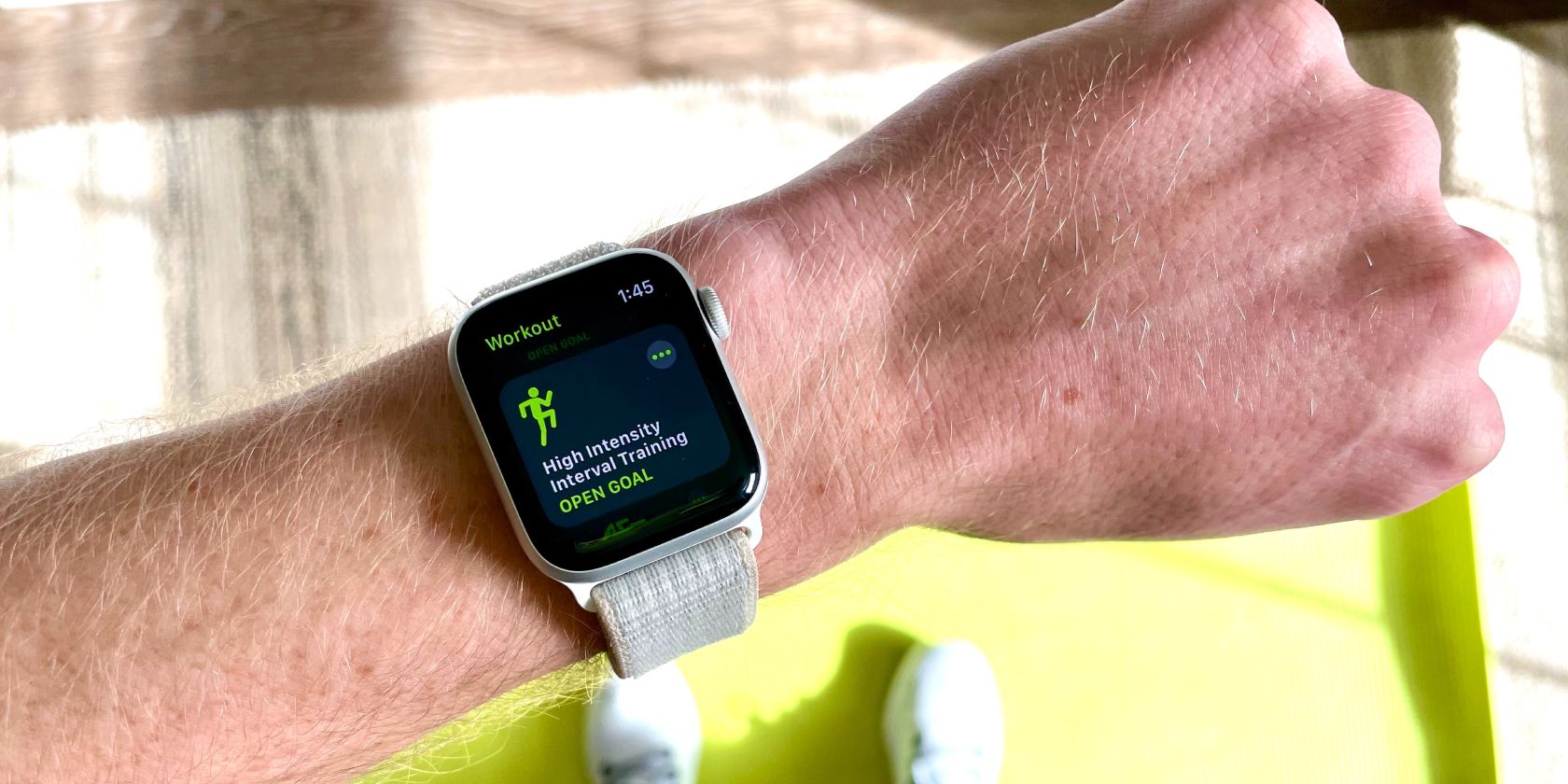
Wearable devices and mobile apps are essential components of personalized health. These tools collect continuous, granular data on an individual's physiological state and behaviors, such as step counts, heart rate variability, and sleep duration. This data provides a comprehensive view of a person's health, which AI tools can then analyze to offer personalized insights and recommendations.
For instance, a smartwatch might track your heart rate throughout the day and alert you if it detects irregularities. An AI app could then suggest lifestyle changes or recommend consulting a healthcare professional if necessary. The combination of wearable devices and AI creates a powerful system for proactive health management.
Challenges and Opportunities

While AI tools for personalized health offer numerous benefits, they also come with challenges. One of the main concerns is data privacy and security. As these tools rely on sensitive health data, ensuring that this information is protected is critical. Additionally, there is a need for robust regulatory frameworks to govern the use of AI in healthcare.
Despite these challenges, the opportunities are immense. AI has the potential to improve health outcomes, reduce costs, and make healthcare more accessible. By leveraging AI, healthcare providers can offer more accurate diagnoses, personalized treatment plans, and better patient engagement.
Real-World Applications
The impact of AI tools for personalized health is already being felt in various real-world scenarios. For example, in clinical settings, AI is being used to analyze patient data and generate treatment recommendations. In research, AI is accelerating drug discovery and improving our understanding of complex diseases. In everyday life, AI-powered apps are helping people monitor their health and make informed decisions about their well-being.
One notable example is the use of AI in managing chronic conditions such as diabetes. AI tools can analyze blood sugar levels, suggest dietary changes, and even predict when a patient might need medical attention. This level of personalized care can significantly improve quality of life and reduce the burden on healthcare systems.
Conclusion
AI tools for personalized health represent a transformative shift in how we approach wellness and healthcare. By leveraging advanced technologies, these tools offer unprecedented insights and recommendations tailored to each individual's needs. From wearable devices that track health metrics to AI-powered apps that analyze data and provide actionable advice, the possibilities are endless.
As the field continues to evolve, it's essential to address challenges such as data privacy and regulatory compliance while maximizing the benefits of AI. With the right approach, AI can play a vital role in creating a more personalized, efficient, and effective healthcare system. Whether you're a healthcare provider, a researcher, or an individual looking to take control of your health, the future of personalized health is here—and it's powered by AI.
Post a Comment for "Top AI Tools for Personalized Health: Enhancing Wellness with Technology"
Post a Comment