Top AI Tools for Health Prediction: Revolutionizing Early Diagnosis and Preventive Care
In an era where technology is reshaping every aspect of our lives, the healthcare industry is no exception. One of the most exciting developments in recent years has been the rise of AI tools for health prediction. These advanced systems are transforming how we detect diseases, manage chronic conditions, and even prevent illnesses before they occur. With the global healthcare predictive analytics market expected to grow from $22.31 billion in 2025 to a staggering $180.67 billion by 2035, it’s clear that AI is not just a trend—it’s a game-changer.
This article explores the latest innovations in AI-driven health prediction, their real-world applications, and how they’re helping healthcare professionals make more informed decisions. Whether you're a patient, a medical professional, or simply curious about the future of medicine, this guide will give you a comprehensive understanding of how AI is revolutionizing early diagnosis and preventive care.
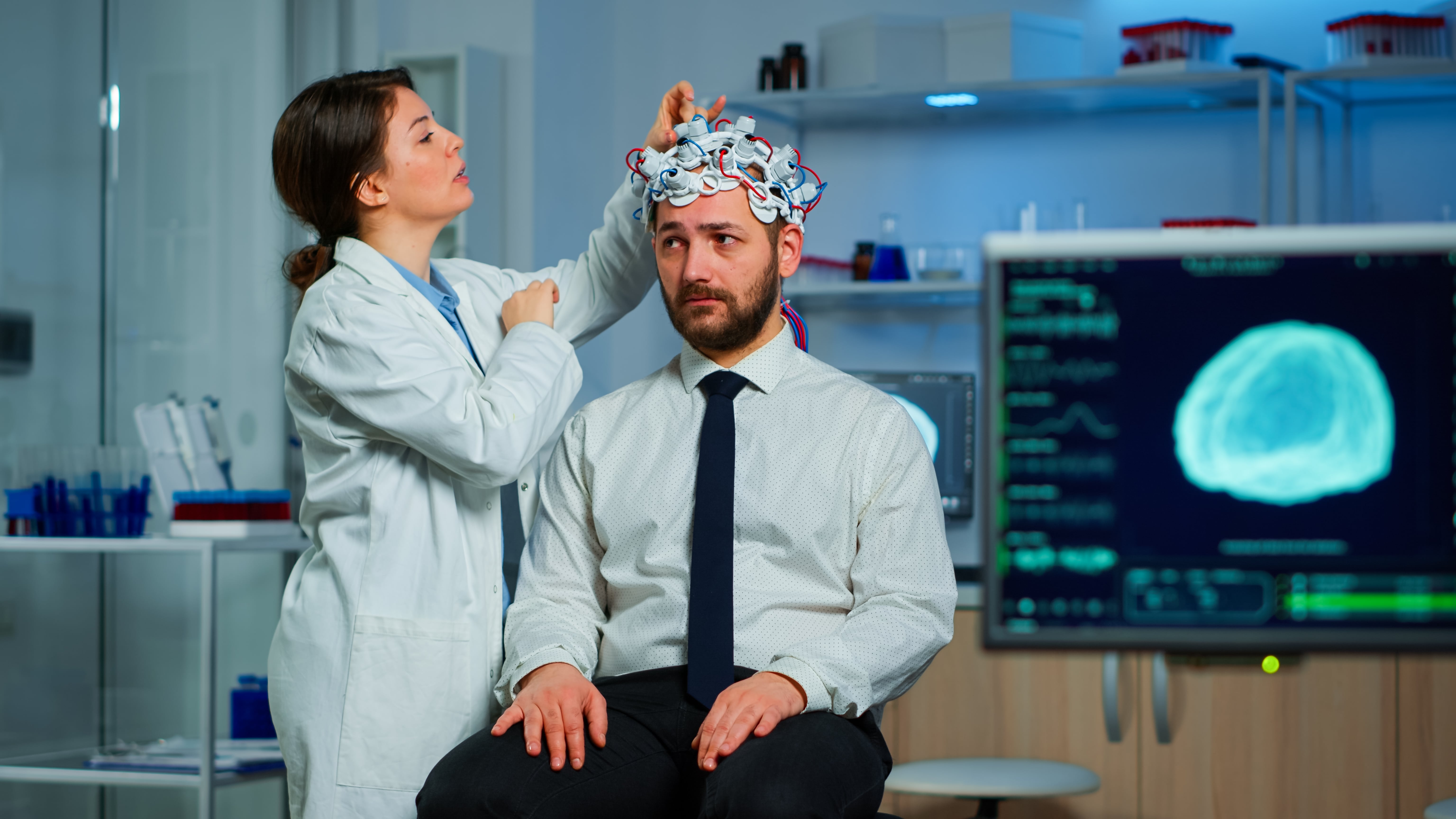
The Rise of AI in Healthcare

Artificial Intelligence (AI) has made significant inroads into healthcare, particularly in the field of predictive analytics. By leveraging machine learning algorithms, data science, and vast amounts of patient data, AI can identify patterns and predict potential health issues before they become critical. This capability is especially valuable in areas like chronic disease management, early cancer detection, and personalized treatment planning.
Healthcare predictive analytics involves using historical patient data—such as electronic health records (EHRs), genetic information, and lifestyle factors—to forecast future health outcomes. This approach allows doctors to intervene earlier, personalize treatments, and allocate resources more efficiently. For example, AI models can analyze a patient’s medical history and lifestyle to predict the likelihood of developing conditions like diabetes or heart disease, enabling proactive interventions.
Key Applications of AI in Health Prediction
1. Early Disease Detection
One of the most promising applications of AI in health prediction is early disease detection. AI systems can analyze medical images, such as X-rays, MRIs, and CT scans, with remarkable accuracy. These tools are being used to detect conditions like cancer, lung disease, and neurological disorders at earlier stages than traditional methods.
For instance, Google Health and IBM Watson Health have developed AI models that can identify signs of breast cancer in mammograms with high precision. Similarly, AI-powered tools are being used to detect diabetic retinopathy from retinal scans, helping to prevent vision loss in millions of people.
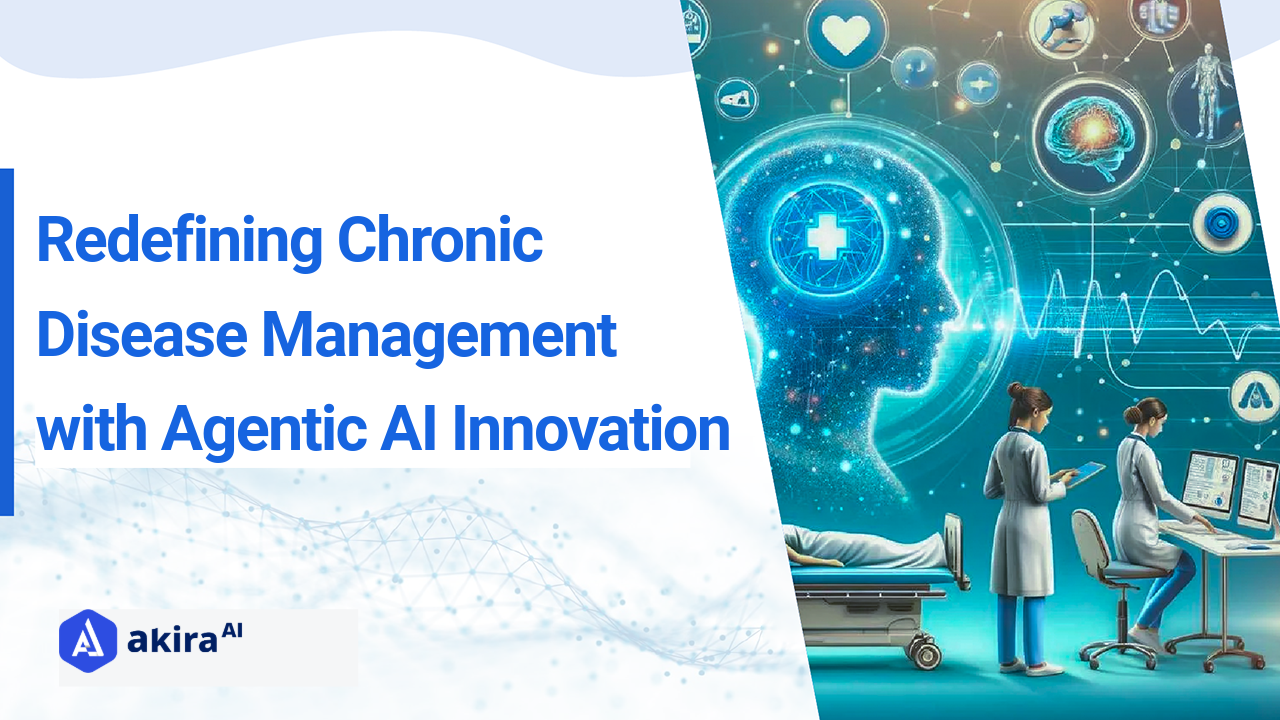
2. Chronic Disease Management
AI is also making a significant impact in managing chronic diseases such as diabetes, hypertension, and asthma. By analyzing patient data over time, AI can predict when a patient might experience a flare-up or complication, allowing for timely interventions.
Tools like Livongo and Omada Health use AI to monitor patients’ health metrics and provide personalized recommendations. These platforms help users track their blood sugar levels, diet, and physical activity, offering insights that can prevent complications and improve long-term outcomes.
3. Personalized Treatment Plans
Every individual is unique, and AI is helping to tailor treatment plans to fit each patient's specific needs. By analyzing a patient’s genetic makeup, medical history, and lifestyle, AI can recommend the most effective medications and therapies.
For example, Tempus uses AI to analyze cancer patients’ genetic data and match them with targeted therapies. This approach not only improves treatment outcomes but also reduces the risk of adverse side effects.
Leading AI Tools for Health Prediction

Several companies and research institutions are at the forefront of developing AI tools for health prediction. Here are some of the most notable ones:
1. IBM Watson Health
IBM Watson Health has been a pioneer in using AI for healthcare. Its tools can analyze vast amounts of medical data to assist in diagnosing diseases, recommending treatments, and predicting patient outcomes. Watson Health’s AI models are used in oncology, cardiology, and other specialized fields.
2. Google Health
Google Health has developed AI tools that are used in various aspects of healthcare, including early disease detection and personalized treatment. Their AI models have shown impressive results in identifying conditions like breast cancer and diabetic retinopathy.
3. DeepMind Health
Part of Alphabet Inc., DeepMind Health focuses on using AI to improve patient care and hospital operations. Their tools can predict patient deterioration, optimize resource allocation, and support clinical decision-making.
4. PathAI
PathAI specializes in AI-driven pathology analysis. Their tools help pathologists detect cancer and other diseases more accurately by analyzing tissue samples. PathAI’s AI models are trained on large datasets of medical images, allowing them to identify subtle patterns that may be missed by the human eye.
5. Nuance Communications
Nuance Communications develops AI-powered speech recognition and natural language processing tools for healthcare. Their products help clinicians document patient visits more efficiently and extract meaningful insights from clinical notes.
Challenges and Considerations

While AI tools for health prediction offer immense potential, there are several challenges and considerations to keep in mind:
1. Data Privacy and Security
AI relies on vast amounts of patient data, which raises concerns about data privacy and security. Ensuring that patient information is protected and used ethically is crucial. Regulations like HIPAA in the U.S. help safeguard patient data, but ongoing efforts are needed to address evolving threats.
2. Bias and Fairness
AI models can inherit biases from the data they are trained on, leading to disparities in healthcare outcomes. It’s essential to ensure that AI tools are fair and unbiased, so they benefit all patients equally.
3. Integration with Existing Systems
Integrating AI tools into existing healthcare systems can be complex. Hospitals and clinics need to invest in interoperability standards and training programs to ensure that AI is used effectively and safely.
4. Regulatory Compliance
Healthcare is a highly regulated industry, and AI tools must meet strict regulatory requirements. Companies developing these tools must work closely with regulatory agencies to ensure compliance and patient safety.
The Future of AI in Health Prediction
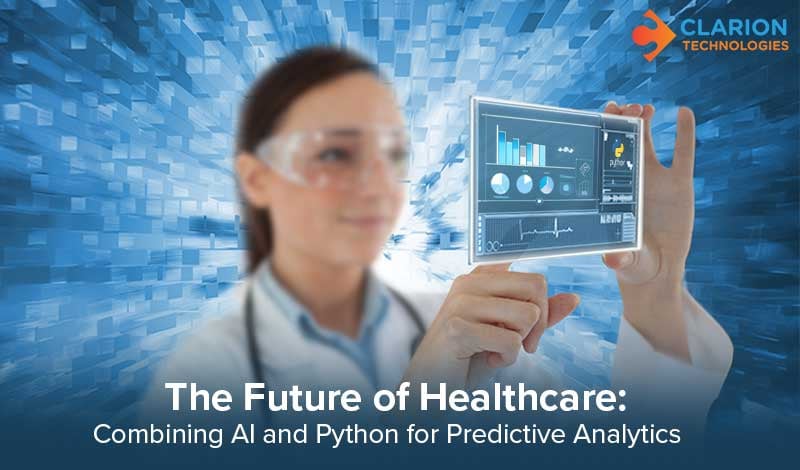
As AI continues to evolve, its role in health prediction will only grow. Emerging technologies like quantum computing and edge computing could further enhance the capabilities of AI tools, making them faster and more efficient. Additionally, the increasing availability of real-time data from wearable devices and mobile apps will allow AI to monitor patients continuously and provide more accurate predictions.
The future of AI in healthcare also depends on collaboration between technology developers, healthcare providers, and policymakers. By working together, these stakeholders can ensure that AI tools are developed responsibly and used to improve patient outcomes.
Conclusion
AI tools for health prediction are revolutionizing the way we diagnose, treat, and prevent diseases. From early disease detection to personalized treatment plans, these technologies are improving patient outcomes and transforming the healthcare landscape. As the market for healthcare predictive analytics continues to grow, the role of AI will become even more critical.
However, it’s important to remember that AI is not a replacement for human expertise. Instead, it’s a powerful tool that can enhance the work of healthcare professionals. By combining the strengths of AI with the knowledge and experience of medical practitioners, we can create a more efficient, effective, and equitable healthcare system.
As we look to the future, the continued development and responsible use of AI in health prediction will play a vital role in shaping the next generation of healthcare. Whether you’re a patient, a provider, or a researcher, staying informed about these advancements is key to navigating the changing landscape of modern medicine.

Post a Comment for "Top AI Tools for Health Prediction: Revolutionizing Early Diagnosis and Preventive Care"
Post a Comment