The Future of Healthcare: Understanding AI Preventative Health Solutions
In an era where technology is reshaping nearly every aspect of our lives, healthcare is no exception. Artificial intelligence (AI) is revolutionizing the way we approach health, particularly in the realm of preventative care. As the U.S. healthcare system grapples with rising costs and chronic disease burdens, AI-driven preventative health solutions are emerging as a beacon of hope. These tools not only promise to improve patient outcomes but also offer a more efficient, personalized, and proactive approach to managing health. This article explores how AI is transforming preventative healthcare, the benefits it brings, and the challenges that come with its implementation.

How AI is Transforming Preventative Healthcare
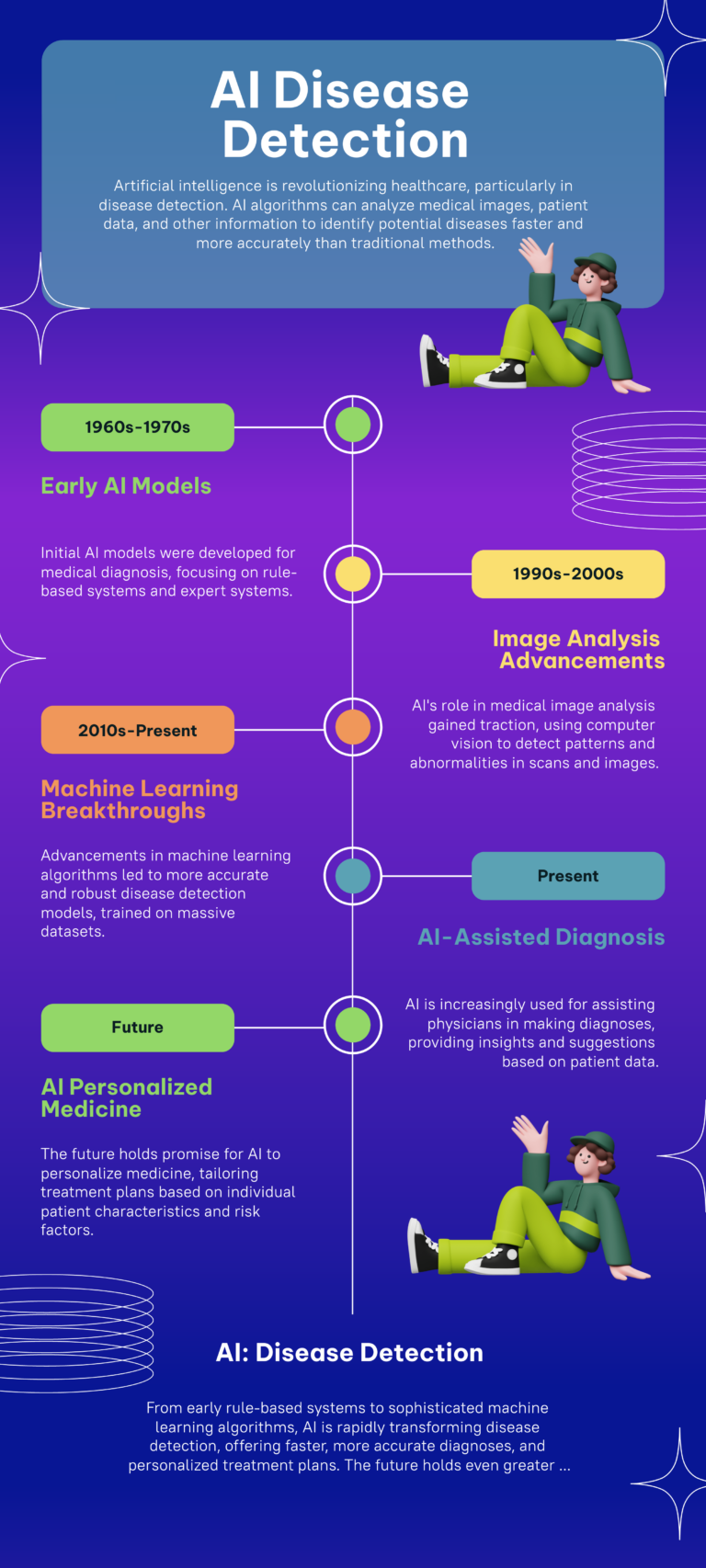
Preventative healthcare has always been about identifying risks before they become serious problems. Traditionally, this involved regular check-ups, screenings, and lifestyle recommendations. However, with the advent of AI, the process has become more precise and predictive. By analyzing vast amounts of data—ranging from electronic health records to wearable device metrics—AI can detect patterns that might be missed by human clinicians.
For instance, AI algorithms can identify early signs of conditions like diabetes, heart disease, and certain cancers by analyzing subtle changes in a person’s health data. This early detection allows for timely interventions, which can significantly improve outcomes and reduce the long-term cost of care. In the United States, where over 60% of adults live with at least one chronic condition, such advancements could have a profound impact on public health.
Key Benefits of AI in Preventative Healthcare

The integration of AI into preventative healthcare offers several compelling advantages:
-
Early Disease Detection: AI can analyze complex health data to identify the earliest indicators of disease. For example, AI-powered imaging tools can detect cancerous tumors in their early stages, often before symptoms appear. This early intervention can lead to more effective treatments and better patient outcomes.
-
Real-Time Patient Monitoring: Wearable devices equipped with AI can continuously monitor vital signs such as heart rate, blood pressure, and glucose levels. These devices can alert both patients and healthcare providers to potential issues in real time, enabling prompt action and reducing the risk of severe complications.
-
Personalized Preventive Care: AI systems can integrate genetic data, medical history, and lifestyle factors to create tailored preventive care plans. This customization ensures that individuals receive recommendations that are specific to their unique needs, increasing the likelihood of successful prevention.
-
Improved Population Health Management: On a broader scale, AI can help identify trends and vulnerabilities within populations. This allows for targeted interventions and resource allocation, ensuring that high-risk groups receive the attention they need.
-
Enhanced Workflow Efficiency: AI can automate administrative tasks such as data entry and risk assessment, freeing up healthcare professionals to focus on direct patient care. This efficiency can lead to improved patient satisfaction and better overall outcomes.
Real-World Applications of AI in Preventative Healthcare
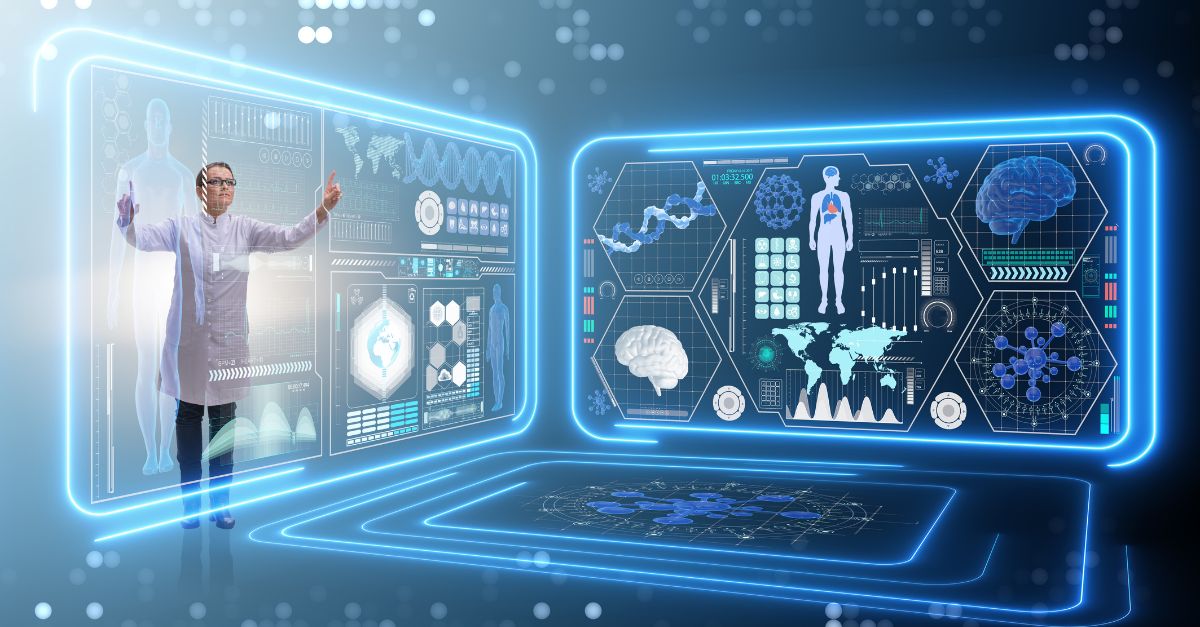
Several real-world applications demonstrate the potential of AI in preventative healthcare:
-
Wearables and Smart Devices: Fitness trackers and smartwatches use AI to monitor health metrics and provide insights into user behavior. These devices can detect irregularities and alert users to potential health issues, promoting proactive health management.
-
Predictive Analytics for Disease Risk: AI-driven predictive analytics can analyze patient data to identify those at higher risk for chronic conditions. This enables healthcare providers to implement targeted interventions, such as personalized lifestyle coaching or early screenings.
-
Virtual Health Assistants: AI-powered chatbots and virtual assistants provide on-demand health information and support. They can remind users to take medications, schedule appointments, and even offer symptom-checking capabilities, making it easier for individuals to engage in their own preventative care.
These applications not only enhance individual health outcomes but also contribute to a more efficient and effective healthcare system.
Challenges in Implementing AI in Preventative Healthcare

Despite its many benefits, the integration of AI into preventative healthcare is not without challenges:
-
Data Privacy and Security: AI systems rely on large volumes of sensitive health data. Ensuring the privacy and security of this information is critical to maintaining patient trust and compliance with regulations such as HIPAA.
-
Algorithmic Bias: AI models can inherit biases present in their training data, leading to disparities in healthcare outcomes. It is essential to use diverse datasets and continuously monitor for bias to ensure equitable care.
-
Regulatory and Legal Compliance: Navigating the regulatory landscape can be complex. AI tools must meet stringent standards set by health authorities, and legal frameworks around liability and responsibility need to be clearly defined.
-
Integration With Clinical Workflow: Introducing AI into existing clinical workflows requires careful planning and training. Healthcare professionals must be equipped to understand and trust AI recommendations, and systems should be designed to complement rather than replace human decision-making.
Addressing these challenges is crucial for the successful adoption of AI in preventative healthcare.
The Future of AI in Preventative Healthcare
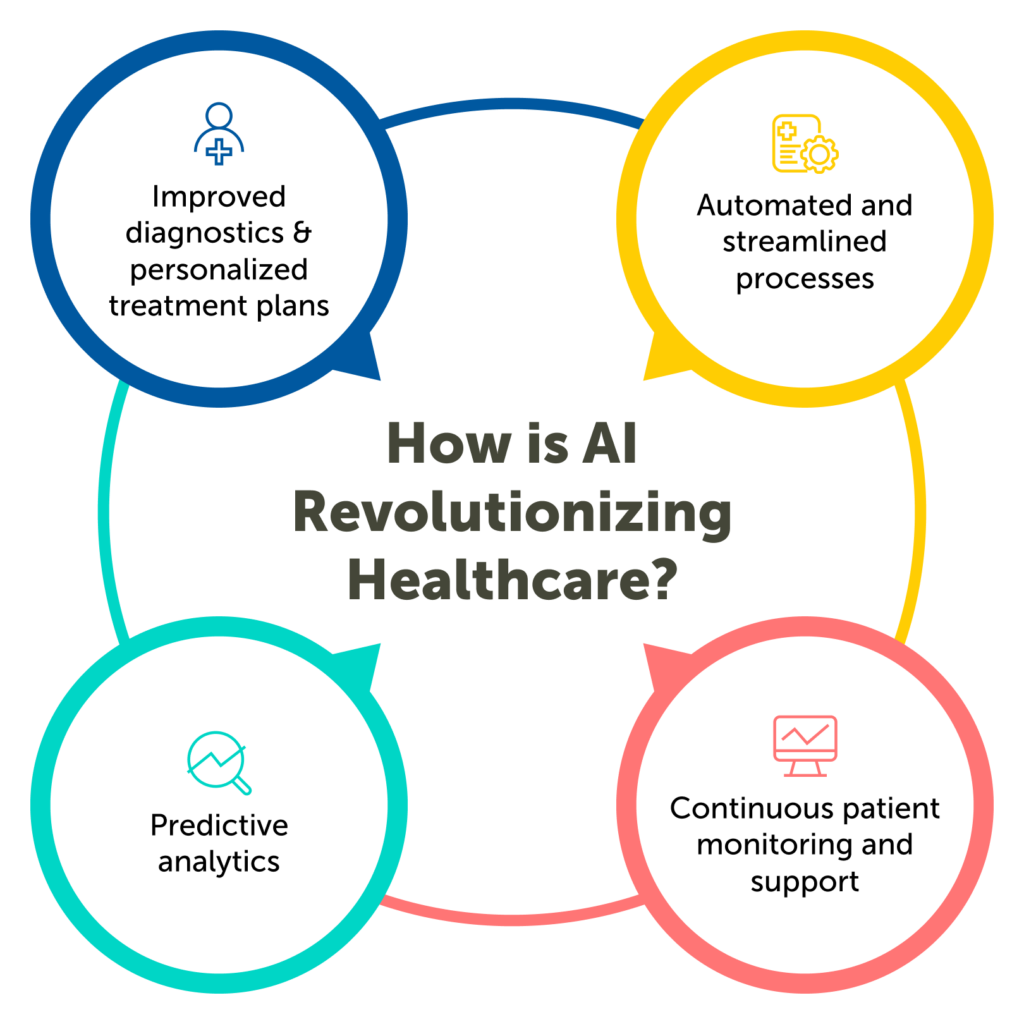
As AI continues to evolve, its role in preventative healthcare will likely expand. The potential for AI to enhance early detection, personalize care, and improve population health is immense. However, realizing this potential will require ongoing collaboration between technologists, healthcare providers, and policymakers.
Looking ahead, the integration of AI into preventative healthcare could lead to a more proactive and patient-centered approach to health. By leveraging the power of data and machine learning, we can move beyond traditional models of care and create a system that prioritizes prevention, personalization, and continuous improvement.
Conclusion
AI preventative health solutions represent a significant shift in how we approach healthcare. By harnessing the power of data and machine learning, these tools offer the potential to transform preventative care, making it more precise, personalized, and effective. While challenges remain, the benefits of AI in preventative healthcare are clear. As we continue to explore and refine these technologies, we can look forward to a future where health is managed proactively, and individuals are empowered to take control of their well-being. The journey toward this future is just beginning, and the possibilities are endless.

Post a Comment for "The Future of Healthcare: Understanding AI Preventative Health Solutions"
Post a Comment