The Best AI Tools for Early Cancer Screening: A Comprehensive Guide
Artificial intelligence (AI) is revolutionizing the field of oncology, particularly in the realm of early cancer screening. As the technology advances, it's becoming increasingly clear that AI tools are not just a futuristic concept but a practical and effective solution to some of the most pressing challenges in cancer detection. From analyzing medical images to predicting genetic mutations, AI is making its mark in ways that were once unimaginable. This article explores the best AI tools available for early cancer screening, their applications, and how they're changing the landscape of cancer care.
Understanding AI in Cancer Screening

Before diving into specific tools, it's essential to understand what AI entails in the context of cancer screening. AI refers to computer programs or algorithms that use data to make decisions or predictions. These algorithms can be trained using existing rules or can learn from data through techniques like machine learning and deep learning. In cancer screening, AI is used to analyze medical images, detect patterns, and predict the likelihood of cancer based on various factors.
One of the most significant advantages of AI in cancer screening is its ability to process vast amounts of data quickly and accurately. This capability allows for earlier detection of cancer, which is crucial for improving patient outcomes. For instance, AI tools can analyze MRI scans, mammograms, and other imaging tests to identify potential tumors that might be missed by human radiologists.
Top AI Tools for Early Cancer Screening
1. DeepHeme
Developed by researchers at Memorial Sloan Kettering Cancer Center (MSK), DeepHeme is an AI tool designed to automate the diagnosis of blood and bone marrow cancers. Traditional methods require doctors to manually count and classify hundreds of cells under a microscope, a time-consuming process. DeepHeme uses AI to perform this task with expert-level accuracy, reducing the time required from over 30 minutes to just seconds. The model was trained on nearly 50,000 annotated digital cell images and has shown promising results in matching or exceeding the performance of expert pathologists.
2. Google DeepMind AI
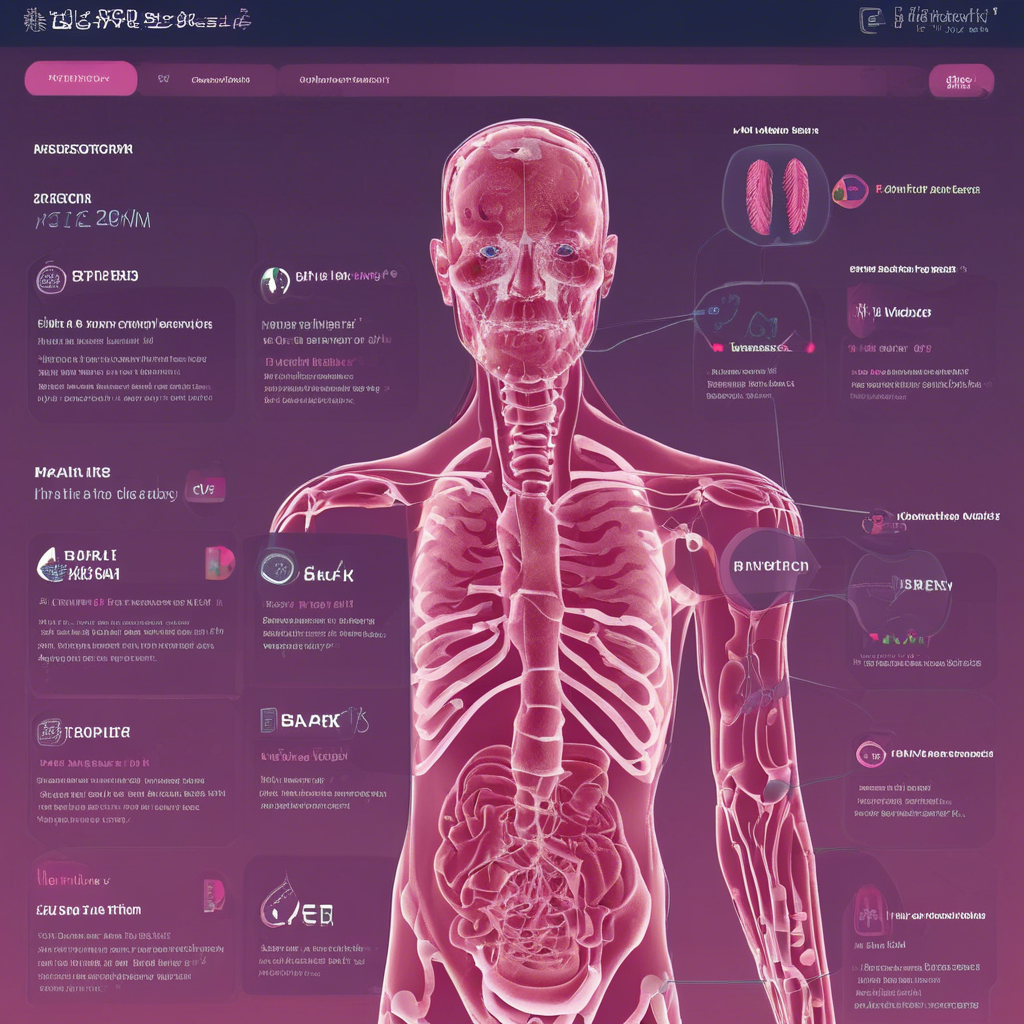
Google DeepMind has developed an AI system that enhances breast cancer screening by reducing false positives and false negatives. The system uses large mammogram datasets to improve the accuracy of cancer detection. In clinical trials, the AI model reduced false positives by 5.7% and false negatives by 9.4%, demonstrating its potential to significantly improve the efficiency and accuracy of breast cancer screening.
3. IBM Watson for Oncology

IBM Watson for Oncology is an AI-powered tool that assists oncologists in making treatment decisions. It uses natural language processing (NLP) and machine learning to analyze medical literature, patient records, and clinical guidelines. By providing evidence-based treatment recommendations, Watson helps oncologists tailor their approach to each patient's unique needs. While it is not a replacement for human expertise, it serves as a valuable decision support tool.
4. Prov-GigaPath
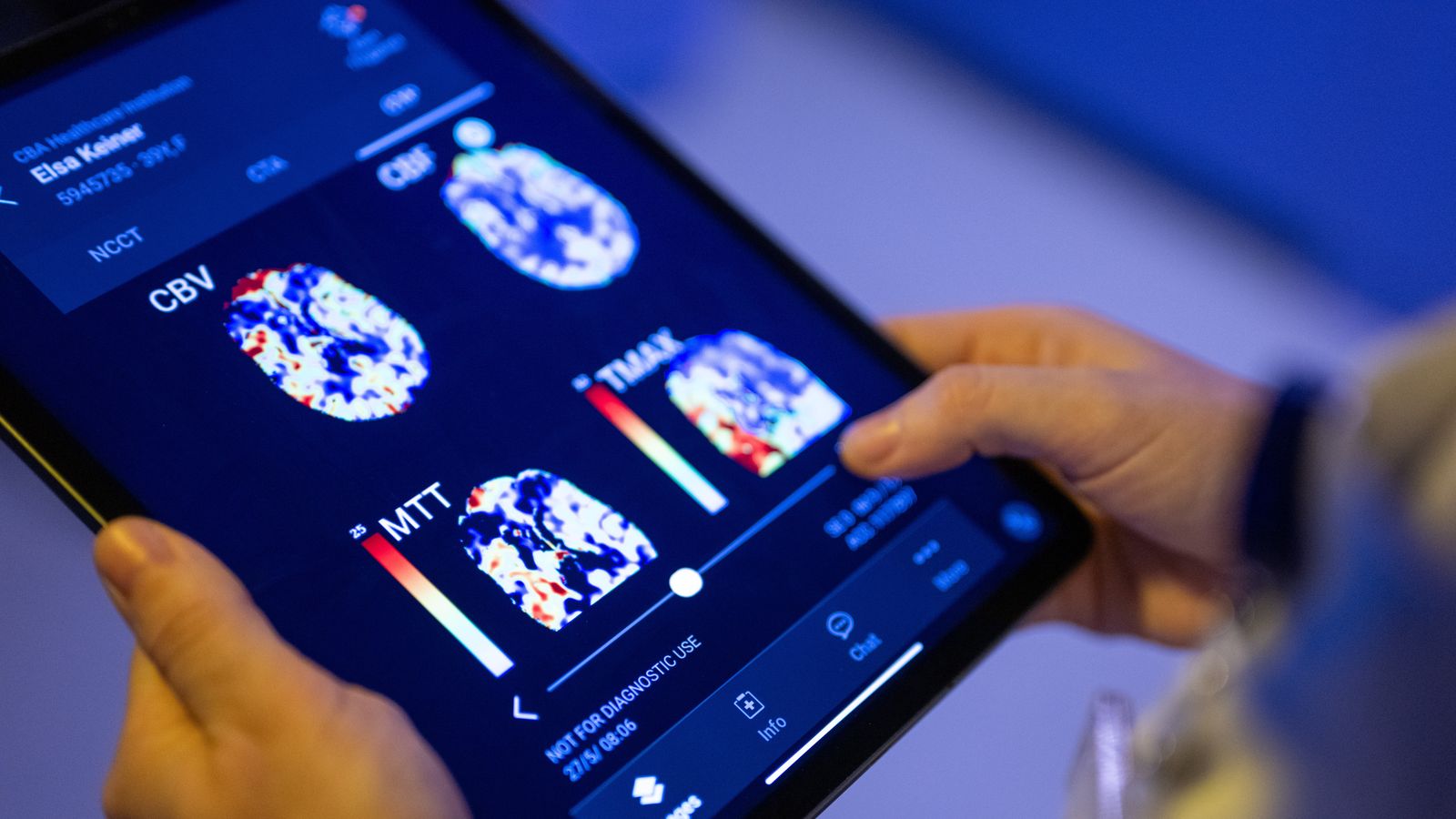
Prov-GigaPath, developed by Providence Health System, Microsoft, and the University of Washington, is a foundation model designed to analyze gigapixel whole-slide pathology images. This AI tool is particularly useful in diagnosing various types of cancer by identifying subtle patterns that may be missed by human pathologists. Its two-tier architecture, which includes a tile encoder and a slide encoder, ensures accurate and efficient analysis of complex pathology slides.
5. CHIEF (Clinical Histopathology Imaging Evaluation Foundation)
CHIEF is a general-purpose ML framework developed by X. Wang et al. that extracts various features from pathology images for cancer diagnoses and evaluation. This tool addresses the limited generalizability of some AI models by using self-supervised learning and attention-based integration. Trained on 60,000 WSIs from 14 cohorts, CHIEF has demonstrated strong performance in prognosis, tumor origin detection, and cancer cell classification. It outperforms existing models in 11 cancers, making it a valuable asset in cancer diagnostics.
6. iNav

Northwell Health's iNav is an AI-powered diagnostic tool designed to improve early diagnosis and treatment of pancreatic cancer. By analyzing radiology data, iNav detects patients with radiographic signs of pancreatic cancer, enabling timely care. The tool uses an NLP classifier trained to recognize phrases in radiology reports linked to pancreatic cancer, scanning for language patterns and keywords tied to masses or lesions. This proactive approach helps in early detection, which is critical for improving patient outcomes.
Benefits of AI in Early Cancer Screening
The integration of AI into early cancer screening offers numerous benefits. One of the most significant advantages is the ability to detect cancer at an earlier stage, when it is more treatable. AI tools can analyze medical images with high accuracy, reducing the risk of missed diagnoses. Additionally, these tools can help reduce the workload of healthcare professionals by automating repetitive tasks, allowing them to focus on more complex cases.
Another benefit of AI in cancer screening is its potential to improve access to quality care. In low-resource settings, where specialized pathologists may be scarce, AI tools can provide expert-level analysis, ensuring that patients receive accurate diagnoses regardless of their location. Furthermore, AI can help personalize treatment plans by integrating genetic and clinical data, leading to more effective and targeted therapies.
Challenges and Considerations
While AI offers many advantages, there are also challenges and considerations to keep in mind. One of the primary concerns is the need for high-quality, diverse datasets to train AI models effectively. Biases in training data can lead to inaccurate predictions, particularly in underrepresented populations. Ensuring that AI models are transparent and explainable is also crucial, as clinicians need to understand how these tools arrive at their conclusions.
Regulatory approval and clinical validation are also important steps in the adoption of AI tools. While many AI models show promise in research settings, they must undergo rigorous testing to ensure they are safe and effective in real-world clinical environments. Additionally, the integration of AI into existing healthcare workflows requires careful planning and collaboration between developers, clinicians, and policymakers.
Conclusion
The field of early cancer screening is undergoing a transformative shift with the advent of AI tools. From DeepHeme to Google DeepMind AI, these technologies are enhancing the accuracy, efficiency, and accessibility of cancer detection. While challenges remain, the potential benefits of AI in cancer screening are undeniable. As research continues and more AI tools become available, the future of cancer care looks brighter than ever. By leveraging the power of artificial intelligence, we can move closer to a world where cancer is detected early and treated effectively, ultimately saving lives and improving patient outcomes.
Post a Comment for "The Best AI Tools for Early Cancer Screening: A Comprehensive Guide"
Post a Comment