How to Choose the Best AI Skin Health Analysis App for Your Needs
In an era where technology is reshaping every aspect of our lives, skincare is no exception. What was once limited to in-person dermatologist visits is now accessible with a single selfie and a smart algorithm. Whether you're a skincare brand looking to personalize customer recommendations, a dermatologist aiming for more accurate diagnostics, or a beauty enthusiast tracking skin changes, AI skin analysis tools are becoming essential. This article will guide you through the process of selecting the right AI skin health analysis app tailored to your specific needs.
Understanding AI Skin Health Analysis
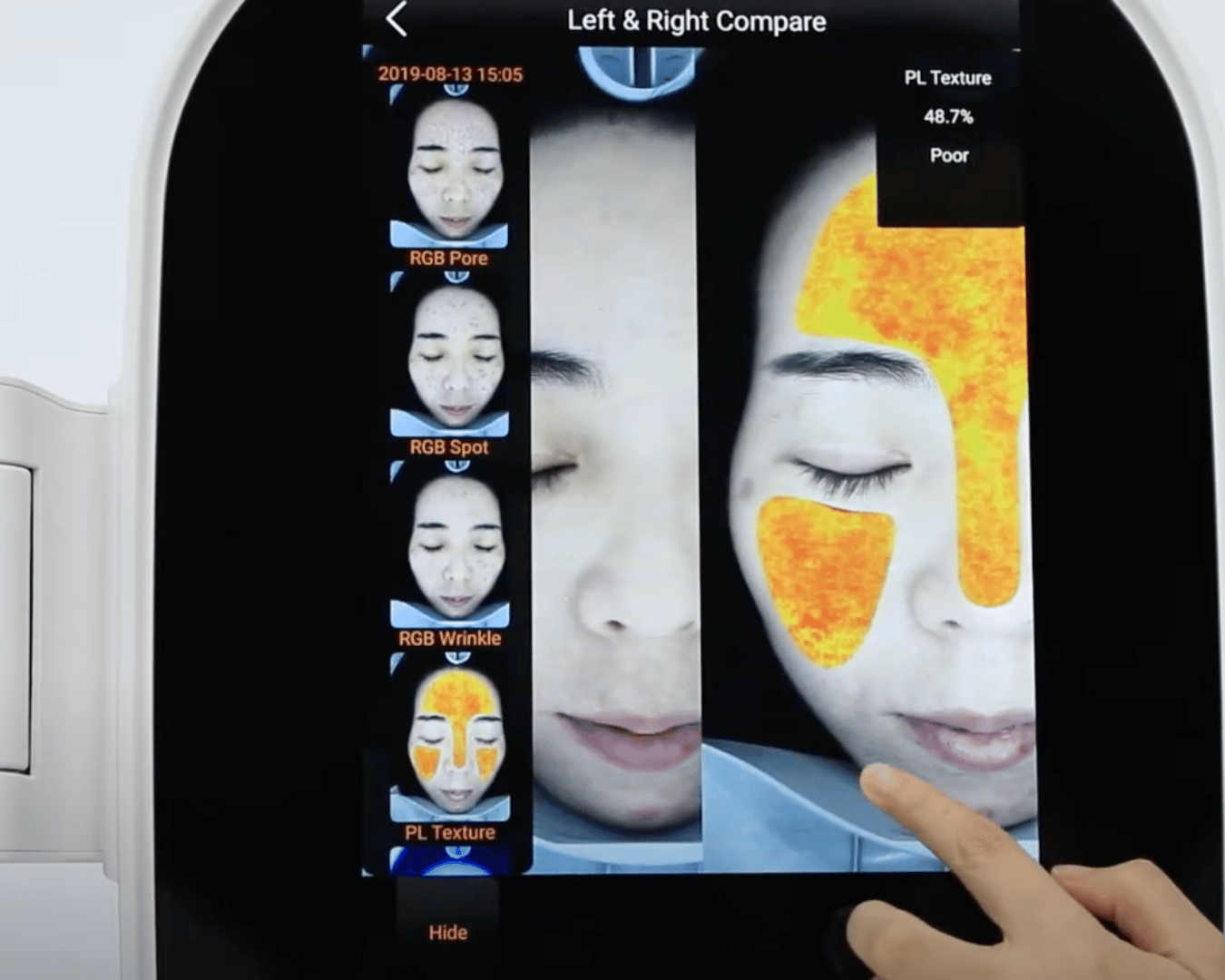
AI skin health analysis apps use advanced computer vision and machine learning to assess skin conditions from a photo, typically a selfie. These tools can detect concerns like dryness, fine lines, acne, and pigmentation by analyzing patterns and features on the skin’s surface. The results are then translated into actionable insights, helping users make informed decisions about their skincare routines.
Modern AI models are trained on thousands of skin images and dermatological data, making them increasingly accurate. However, it's important to note that while these tools can provide valuable insights, they should not replace professional medical advice, especially for complex or severe skin conditions.
Key Features to Look For
When choosing an AI skin health analysis app, consider the following features:
- Accuracy: Ensure the app uses high-quality algorithms and has been validated by dermatologists.
- User-Friendly Interface: The app should be easy to navigate, even for those without technical expertise.
- Personalization: Look for tools that offer tailored skincare recommendations based on your unique skin profile.
- Data Privacy: Choose an app that prioritizes user privacy and complies with data protection regulations.
- Integration Capabilities: If you're a business owner, look for apps that integrate seamlessly with your e-commerce platform or CRM.
Top AI Skin Analysis Tools in 2025
Several AI skin analysis tools have emerged as leaders in the field, each offering unique features and benefits. Here are some of the top options:
Face Age
Face Age is a rising player that uniquely combines AI skin analysis, routine generation, and smart product recommendation in a single tool. It’s especially effective for Shopify store owners who want to personalize the customer journey. With just a selfie, users can uncover 250+ skin concerns, get AI-generated day and night routines, and instantly see product matches from the shop’s catalog.
What makes Face Age stand out is its focus on ease of integration and marketing performance. With built-in lead capture, multilingual support, and integration with platforms like Klaviyo and Google Analytics, it’s more than just a skin analysis tool—it’s a sales and retention engine.
Perfect Corp. Skin Analysis Solution
Perfect Corp. remains a front-runner for beauty-focused AI. Their solution delivers fast, multi-issue diagnostics combined with virtual try-on and seamless product matching. It’s popular among large cosmetic brands for its enterprise-grade SDKs and customizable features.
GlamAR AI Skin Analyzer
GlamAR has carved a niche in mobile-first skin analysis, particularly with Gen Z users. Its real-time AR overlays allow users to visualize how skincare or cosmetic products could affect their appearance. While not medical-grade, it’s incredibly engaging and ideal for beauty apps.
DermaScan AI
Built for clinics and medical professionals, DermaScan uses deep neural networks trained on clinical image data. It helps identify dermatological conditions with high accuracy and is used for early intervention and treatment planning. It’s not consumer-friendly but is a powerful back-office tool.
Skinive AI Skin Scanner
Skinive balances consumer access with clinical intelligence. It allows users to track moles, acne, and inflammatory skin conditions while offering AI-generated health insights. Doctors use it for monitoring over time, but it’s also accessible to everyday users concerned about skin health.
L’Oréal Paris Skin Genius
As one of the biggest names in beauty, L’Oréal’s Skin Genius offers consumers an approachable way to evaluate their skin and receive curated product recommendations. Its clean UX and brand trust make it a staple in the consumer AI skincare market.
TroveSkin
TroveSkin helps users track how their skin evolves over time. With photo comparisons, trend graphs, and product reviews, it encourages skincare journaling and conscious routine building. It’s not designed for diagnosis but rather for building better habits.
TINT by Banuba
TINT blends AR with lightweight skin analysis to support e-commerce conversion. Shoppers can try on products while getting skin insights, which helps with decision-making and builds confidence in online purchases.
Choosing the Right Tool for Your Needs
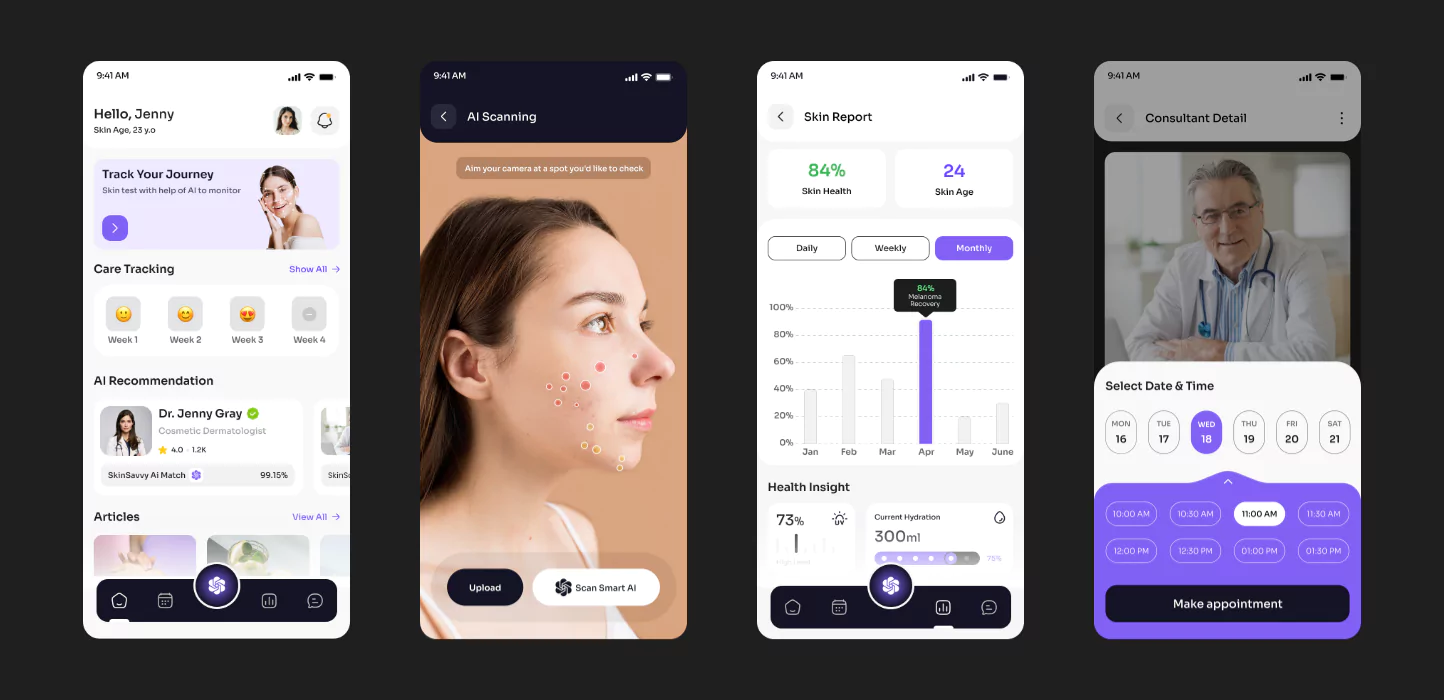
Every user has different goals. Here’s how to think about your choice based on your role or business model:
For Clinics and Dermatologists
Accuracy, data privacy, and compliance should be your top priorities. Tools like DermaScan and Skinive offer features tailored to clinical environments, including lesion monitoring and diagnostic flags. They also support medical documentation and follow-up features.
For Beauty Brands and Retailers
Your focus is likely on engagement, personalization, and conversion. Choose tools that integrate easily with your e-commerce stack. Face Age, for instance, helps brands analyze customer selfies, generate skincare routines, and recommend specific SKUs, all with a branded experience.
For Individual Consumers
If you’re just trying to understand your skin better or track improvement, simplicity is key. Tools like L’Oréal’s Skin Genius or TroveSkin make it easy to get quick insights without needing any technical knowledge or equipment.
The Future of AI in Skincare
In the coming years, AI tools will likely evolve to include genomic and microbiome data, offering skincare that’s not only personalized but biologically precise. As data gets more detailed and algorithms more refined, the idea of generic skincare could become a thing of the past. This means that the future of skincare will be more tailored, proactive, and effective than ever before.
Final Thoughts
As AI becomes an everyday part of skincare, choosing the right tool can give you a meaningful edge, whether you're a skincare consumer, a brand, or a professional. The best AI skin analysis tools in 2025 are already delivering powerful results, helping users make smarter choices and get better outcomes. And with innovation moving fast, now is the perfect time to explore these solutions and see what they can do for you.

Post a Comment for "How to Choose the Best AI Skin Health Analysis App for Your Needs"
Post a Comment