How to Accurately Interpret Continuous Glucose Monitoring Data
Continuous glucose monitoring (CGM) has revolutionized the way people with diabetes manage their blood sugar levels. Unlike traditional fingerstick methods, CGMs provide real-time data on glucose levels, helping users make informed decisions about diet, exercise, and medication. However, interpreting this data can be complex, especially for those new to the technology. Understanding how to accurately interpret CGM results is essential for effective diabetes management.
What Is a Continuous Glucose Monitor?
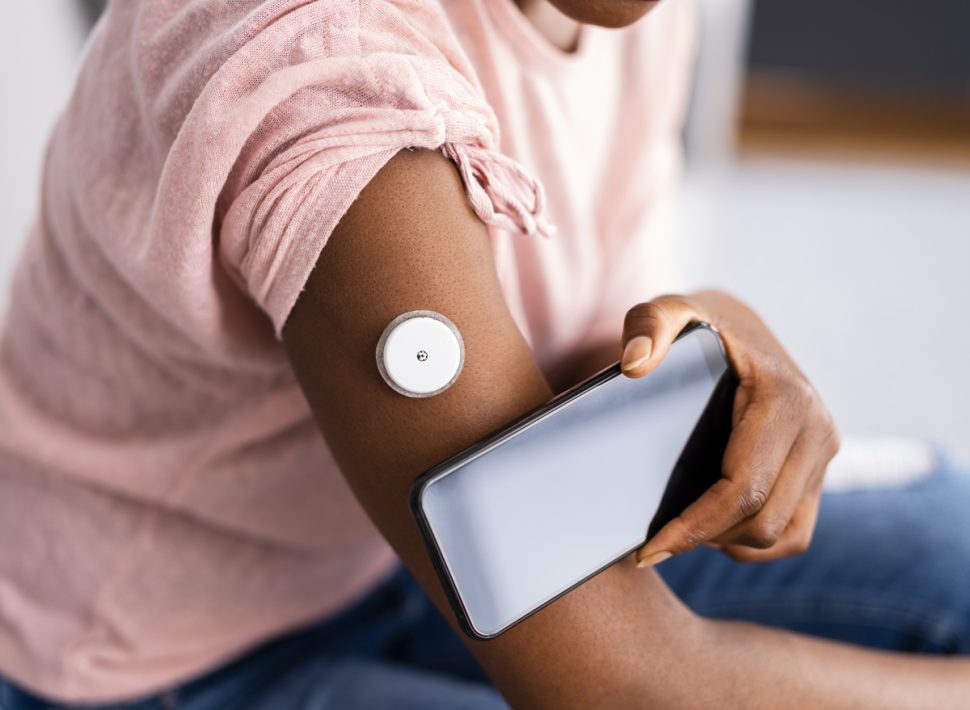
A CGM is a medical device that measures glucose levels in the interstitial fluid beneath the skin, providing continuous readings throughout the day. These devices typically consist of a sensor inserted under the skin, which sends data to a receiver or smartphone app. The main benefit of a CGM is its ability to show trends and patterns in glucose levels, rather than just single-point measurements.
CGMs are particularly useful for individuals with type 1 diabetes, those with type 2 diabetes using insulin, and anyone who frequently checks their blood sugar. They are also gaining popularity among people without diabetes who are interested in tracking their health and fitness goals.
Key Components of CGM Data

Understanding the key components of CGM data is crucial for accurate interpretation. Here are some of the most important elements:
- Real-Time Glucose Levels: This shows your current glucose level, usually measured in mg/dL.
- Trend Arrows: These indicate whether your glucose level is rising, falling, or stable.
- Time in Range (TIR): This metric shows the percentage of time your glucose levels are within your target range, typically between 70–180 mg/dL.
- Alerts: CGMs can send notifications if your glucose levels are too high or too low, allowing you to take action before complications arise.
By understanding these components, you can better interpret your CGM data and make more informed decisions about your health.
Interpreting Real-Time Glucose Levels
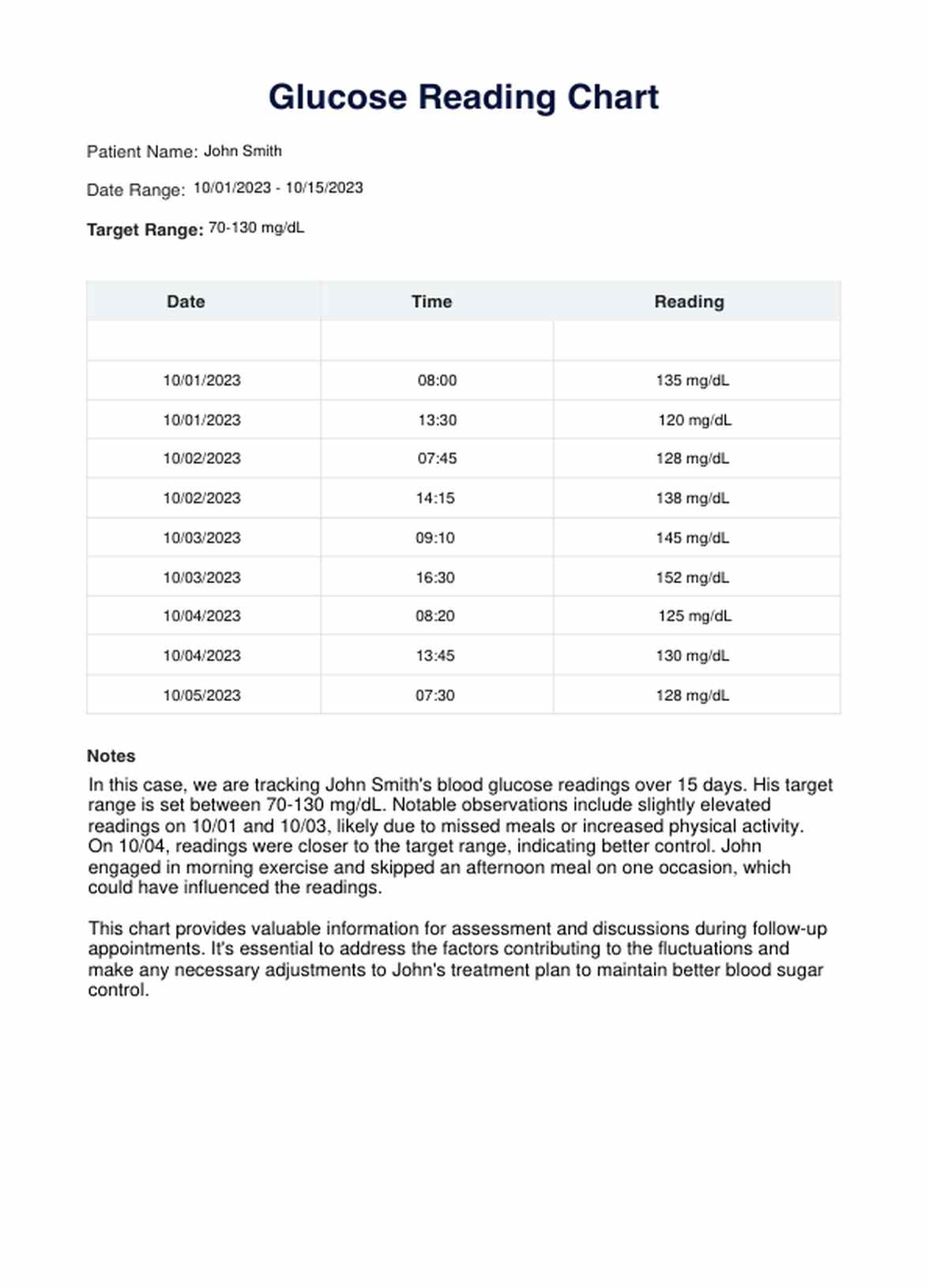
Real-time glucose levels give you an immediate snapshot of your blood sugar. However, it's important to remember that CGMs measure glucose in interstitial fluid, not directly in the bloodstream. This means there can be a slight delay in readings compared to traditional fingersticks.
When interpreting real-time data, look for patterns over time. For example, if your glucose levels consistently rise after meals, it may indicate that your current meal plan or medication dosage needs adjustment. Similarly, if your levels drop rapidly during physical activity, you may need to adjust your insulin or consume additional carbohydrates.
Understanding Time in Range (TIR)
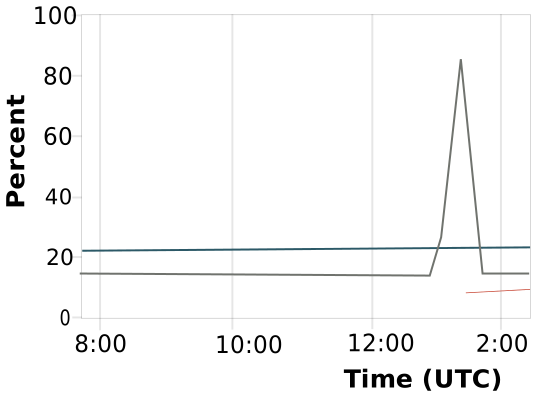
Time in range (TIR) is one of the most valuable metrics provided by CGMs. It tells you how much of the day your glucose levels have been within your target range. For most people, the goal is to maintain a TIR of at least 70%, which equates to about 17 hours per day.
However, individual targets may vary based on factors such as age, overall health, and specific diabetes management goals. It's important to work with your healthcare provider to determine your ideal TIR and understand what your data is telling you.
Recognizing Trends and Patterns

Beyond real-time data and TIR, CGMs also allow you to see trends and patterns over time. This can help identify issues that may not be apparent from single readings. For example, you might notice that your glucose levels tend to spike in the morning, indicating a need for adjustments in your bedtime medication or diet.
Using the trend arrows on your CGM can also help you anticipate changes in your glucose levels. If the arrow is pointing up, your glucose is increasing; if it's pointing down, your glucose is decreasing. This can help you take preventive actions, such as adjusting your food intake or medication.
The Role of Fingersticks

While CGMs provide continuous data, they are not always 100% accurate. In some cases, glucose levels in the interstitial fluid may differ slightly from those in the blood. That's why it's still important to occasionally check your blood sugar with a fingerstick, especially when starting a CGM or making changes to your diabetes management plan.
Your healthcare provider can guide you on how often to perform fingersticks and when they're most necessary. This practice helps ensure that your CGM data is reliable and that you're making the best possible decisions for your health.
Managing Alerts and Notifications

CGMs are equipped with alerts that notify you when your glucose levels are outside of your target range. These alerts can be lifesaving, helping you avoid dangerous situations like hypoglycemia or hyperglycemia.
It's important to understand what each alert means and how to respond. For example, if your CGM alerts you that your glucose is dropping quickly, you may need to consume fast-acting carbohydrates. If it alerts you that your glucose is rising, you may need to adjust your insulin dose or consider other interventions.
Practical Tips for Interpreting CGM Data

Here are some practical tips to help you interpret your CGM data more effectively:
- Track Your Meals and Activity: Record what you eat and how you feel at different times of the day. This can help you identify how specific foods or activities affect your glucose levels.
- Review Your Data Regularly: Take time each day to review your CGM data and look for patterns or trends.
- Talk to Your Healthcare Provider: Share your CGM data with your doctor or diabetes educator. They can help you interpret the data and make necessary adjustments to your treatment plan.
- Use Apps and Tools: Many CGM manufacturers offer apps that allow you to track and analyze your data more easily.
Conclusion
Accurately interpreting continuous glucose monitoring data is essential for effective diabetes management. By understanding the key components of CGM data—real-time glucose levels, time in range, trend arrows, and alerts—you can make informed decisions about your health. While CGMs provide valuable insights, it's still important to use them in conjunction with traditional fingerstick tests and regular consultations with your healthcare provider.
As CGM technology continues to evolve, so will the ways in which we interpret and use this data. Staying informed and proactive about your glucose levels can lead to better health outcomes and a higher quality of life. Whether you're managing diabetes or simply interested in tracking your health, mastering the art of CGM interpretation is a powerful tool in your wellness journey.

Post a Comment for "How to Accurately Interpret Continuous Glucose Monitoring Data"
Post a Comment