How Endurance Training Can Boost Your Longevity and Overall Health
In a world where life expectancy continues to rise, the pursuit of a long and healthy life has never been more relevant. While many people focus on diet or medical interventions, one often-overlooked factor that can significantly impact longevity is endurance training. This form of exercise not only improves physical fitness but also plays a crucial role in maintaining mental clarity, reducing chronic disease risk, and enhancing overall quality of life. Whether you're 65 or 25, incorporating endurance training into your routine can be a game-changer for your health.
Understanding the Link Between Endurance and Longevity
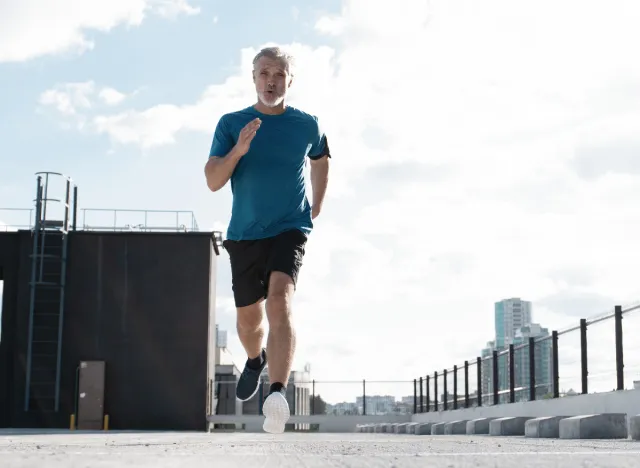
Endurance training refers to activities that increase your body’s ability to sustain prolonged physical effort. This includes exercises like running, cycling, swimming, and even brisk walking. These activities challenge your cardiovascular system, improve muscle efficiency, and enhance your body's ability to utilize oxygen. Over time, this leads to improved heart health, stronger lungs, and better metabolic function—key factors in living longer and healthier.
Research consistently shows that individuals who engage in regular endurance training have a lower risk of developing chronic conditions such as heart disease, diabetes, and obesity. Moreover, studies suggest that people who maintain an active lifestyle tend to live longer than those who are sedentary. For example, a study published in the Journal of the American College of Cardiology found that individuals who engaged in moderate to vigorous physical activity had a 30% lower risk of premature death compared to their less active counterparts.
The Role of Strength Training in Endurance
While cardio is essential, strength training should not be overlooked. As we age, muscle mass naturally declines, which can lead to decreased mobility, increased injury risk, and reduced overall endurance. Incorporating strength exercises into your routine helps preserve muscle mass, improve balance, and enhance functional movement.
CSCS coach Jarrod Nobbe emphasizes the importance of targeted strength work for older adults looking to rebuild walking endurance. He recommends exercises like sit-to-stand, standing march, step-ups, heel-to-toe walk, and brisk walking intervals. These movements not only build leg strength and hip stability but also improve coordination and cardiovascular capacity.
For instance, sit-to-stand strengthens the quadriceps, glutes, and core—muscles essential for efficient walking. Step-ups mimic real-world movements like climbing stairs, making them highly functional for daily activities. By combining these strength exercises with aerobic work, you create a well-rounded program that supports both endurance and longevity.
Practical Tips for Building Endurance
If you're new to endurance training, it's important to start slowly and build up gradually. Here are some practical tips to help you get started:
- Walk most days of the week: Frequent, moderate walks build endurance more effectively than occasional long outings.
- Strength train two to three times weekly: Stronger legs delay fatigue and support better stride mechanics.
- Increase distance gradually: Add about 5-10% more walking time each week to avoid overtraining.
- Prioritize good footwear: Supportive shoes improve comfort and reduce unnecessary fatigue.
- Stay tall while walking: Good posture helps your lungs and hips work more efficiently.
- Fuel and hydrate well: Proper nutrition supports energy levels and recovery.
- Stay consistent above all else: Small weekly improvements add up to major endurance gains.
By following these guidelines, you'll be able to build a sustainable endurance routine that supports your long-term health goals.
The Mental Benefits of Endurance Training
Endurance training isn't just good for your body—it's also beneficial for your mind. Regular physical activity has been shown to improve cognitive function, reduce stress, and enhance mood. Exercise stimulates the release of endorphins, which are natural mood boosters, and can even help prevent or manage symptoms of depression and anxiety.
Moreover, endurance training can improve sleep quality. Many people who struggle with insomnia find that regular physical activity helps them fall asleep faster and stay asleep longer. Better sleep, in turn, supports overall health, including immune function, metabolism, and emotional well-being.
Real-Life Examples of Endurance and Longevity
The benefits of endurance training are not just theoretical—they’re backed by real-life examples. Take, for instance, the case of master’s athletes who continue to compete well into their 70s and beyond. These individuals often attribute their longevity to consistent training and a commitment to staying active. Their stories serve as inspiration for others looking to maintain their health as they age.
Another example is the growing number of older adults who participate in marathons and triathlons. These events require months of training and discipline, yet many participants report feeling more energetic, mentally sharp, and physically capable than they did in their younger years. This suggests that endurance training can help reverse some of the effects of aging and promote a higher quality of life.
Conclusion
Endurance training is a powerful tool for improving longevity and overall health. By strengthening your body, supporting your cardiovascular system, and enhancing mental well-being, it offers a holistic approach to aging gracefully. Whether you're looking to extend your lifespan or simply enjoy a more active and fulfilling life, incorporating endurance training into your routine is a smart choice.
Remember, the key to success lies in consistency, gradual progression, and a balanced approach that includes both aerobic and strength-based exercises. With the right mindset and dedication, you can unlock the full potential of your body and enjoy a longer, healthier, and more vibrant life. Start today, and take the first step toward a future filled with energy, vitality, and longevity.

Post a Comment for "How Endurance Training Can Boost Your Longevity and Overall Health"
Post a Comment