What Is Low Intensity Cardio Zone 2 and How Can It Benefit Your Fitness?
If you've ever wondered why your workouts feel different from day to day, or if you're looking for a way to improve your overall fitness without pushing yourself too hard, you might have heard of Zone 2 training. This form of low-intensity cardio has gained popularity among athletes, fitness enthusiasts, and everyday exercisers. But what exactly is Zone 2, and how can it help you reach your fitness goals? In this article, we’ll explore the science behind Zone 2, its benefits, and how to incorporate it into your routine.

Understanding Heart Rate Zones

Before diving into Zone 2, it’s important to understand how heart rate zones work. Cardio training is typically divided into five zones based on your maximum heart rate (MHR). These zones help you gauge the intensity of your workout and tailor it to your specific fitness goals.
- Zone 1: Very light effort (50-60% of MHR), ideal for warm-ups and recovery.
- Zone 2: Low to moderate intensity (60-70% of MHR), perfect for building endurance and fat-burning.
- Zone 3: Moderate to high intensity (70-80% of MHR), great for improving lactate threshold.
- Zone 4: High intensity (80-90% of MHR), focused on speed and VO2 max.
- Zone 5: Maximum effort (90-100% of MHR), reserved for sprints and HIIT workouts.
Zone 2, in particular, is known for its ability to improve aerobic efficiency while being less stressful on the body compared to higher zones.
The Benefits of Zone 2 Training

There are several compelling reasons to include Zone 2 in your fitness routine:
- Improves Aerobic Endurance: By consistently working in Zone 2, you can increase your ability to sustain prolonged efforts, which is essential for long-distance running, cycling, or swimming.
- Enhances Fat Metabolism: Zone 2 training encourages your body to use fat as the primary fuel source, making it an effective strategy for weight loss and improved metabolic health.
- Reduces Fatigue: Since it’s a lower-intensity workout, Zone 2 is less taxing on your muscles and joints, allowing for more frequent training sessions.
- Boosts Recovery: The steady, low-impact nature of Zone 2 helps promote efficient oxygen usage, which supports faster muscle recovery.
- Supports Heart Health: Regular Zone 2 exercise strengthens your cardiovascular system without placing excessive strain on your heart.
How to Measure Your Zone 2 Training
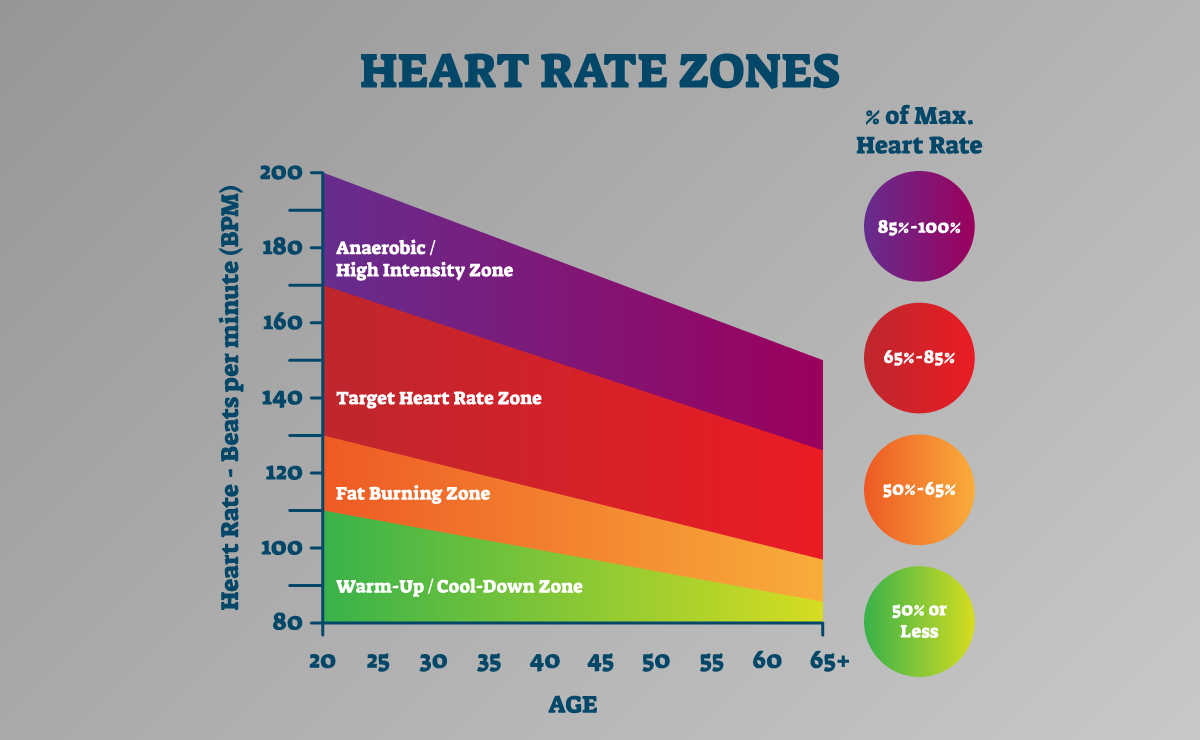
To ensure you’re training in the correct intensity, there are a few methods you can use:
1. Heart Rate Monitoring
The most accurate way to measure your Zone 2 is by using a heart rate monitor. To calculate your target range:
- Estimate your maximum heart rate: 220 - your age = Max HR
- Zone 2 range: 60-70% of Max HR
For example, if you’re 30 years old: - Max HR = 220 - 30 = 190 bpm - Zone 2 range = 114-133 bpm
2. The Talk Test
If you don’t have a heart rate monitor, the talk test is a simple alternative. In Zone 2, you should be able to hold a conversation comfortably without gasping for breath. If you struggle to speak, you may be pushing too hard.
Zone 2 Training Workouts

Whether you're running, cycling, walking, or swimming, Zone 2 training can be adapted to suit your preferred activity. Here are some examples:
- Running: Focus on a conversational pace, aiming for 30-60 minutes at RPE 4-5.
- Cycling: Maintain a steady, easy pace on flat terrain for 45-90 minutes.
- Walking: Aim for a brisk walk where you can still hold a conversation.
- Swimming: Keep a smooth, relaxed pace for 20-45 minutes.
- Elliptical Training: Use low to moderate resistance with a steady, comfortable pace for 30-45 minutes.
How Often Should You Do Zone 2 Workouts?

The frequency of Zone 2 workouts depends on your fitness level and goals:
- Beginners: Start with 2-3 sessions per week, each lasting 15-30 minutes.
- Intermediate Athletes: Aim for 3-5 sessions per week, each lasting 30-60 minutes.
- Advanced Athletes: Can perform 4-6 sessions per week as part of base training, especially during race seasons.
It’s also important to balance Zone 2 with higher-intensity workouts to avoid plateauing and continue progressing.
The Debate Around Zone 2

While many fitness experts advocate for Zone 2 training, recent research has sparked a debate about its effectiveness. A review of 167 studies found that higher-intensity workouts may be more beneficial for building mitochondria and improving fat oxidation. However, this doesn’t mean Zone 2 is obsolete.
For most people, especially those with limited time or who are new to exercise, Zone 2 remains a valuable tool. It allows for consistent training without overexertion, making it ideal for beginners and those looking to build a sustainable fitness habit.
Conclusion

Low intensity cardio Zone 2 is more than just a trend—it's a scientifically supported method for improving cardiovascular health, enhancing fat metabolism, and supporting long-term fitness. Whether you're an elite athlete or just starting out, incorporating Zone 2 into your routine can provide numerous benefits.
By understanding your heart rate zones, measuring your intensity, and structuring your workouts effectively, you can maximize the advantages of Zone 2 training. Remember, consistency and enjoyment are key to maintaining a lifelong fitness journey. So lace up your shoes, find your easy pace, and start reaping the rewards of low-intensity cardio today.

Post a Comment for "What Is Low Intensity Cardio Zone 2 and How Can It Benefit Your Fitness?"
Post a Comment