What Is Vagal Nerve Stimulation at Home? A Complete Guide
If you’ve ever felt overwhelmed by stress or struggled with anxiety, you’re not alone. The human body is a complex system, and one of its most critical components is the vagus nerve. This long cranial nerve connects your brain to many of your internal organs, playing a vital role in regulating everything from heart rate to digestion. But what happens when this nerve becomes overstimulated or underactive? And how can you stimulate it at home to promote relaxation and better health?
This guide will explore the science behind vagal nerve stimulation (VNS) and provide practical, easy-to-follow techniques for activating this important nerve right from your own home. Whether you're looking to reduce stress, improve sleep, or enhance mental clarity, understanding how to support your vagus nerve can be a game-changer.
Understanding the Vagus Nerve
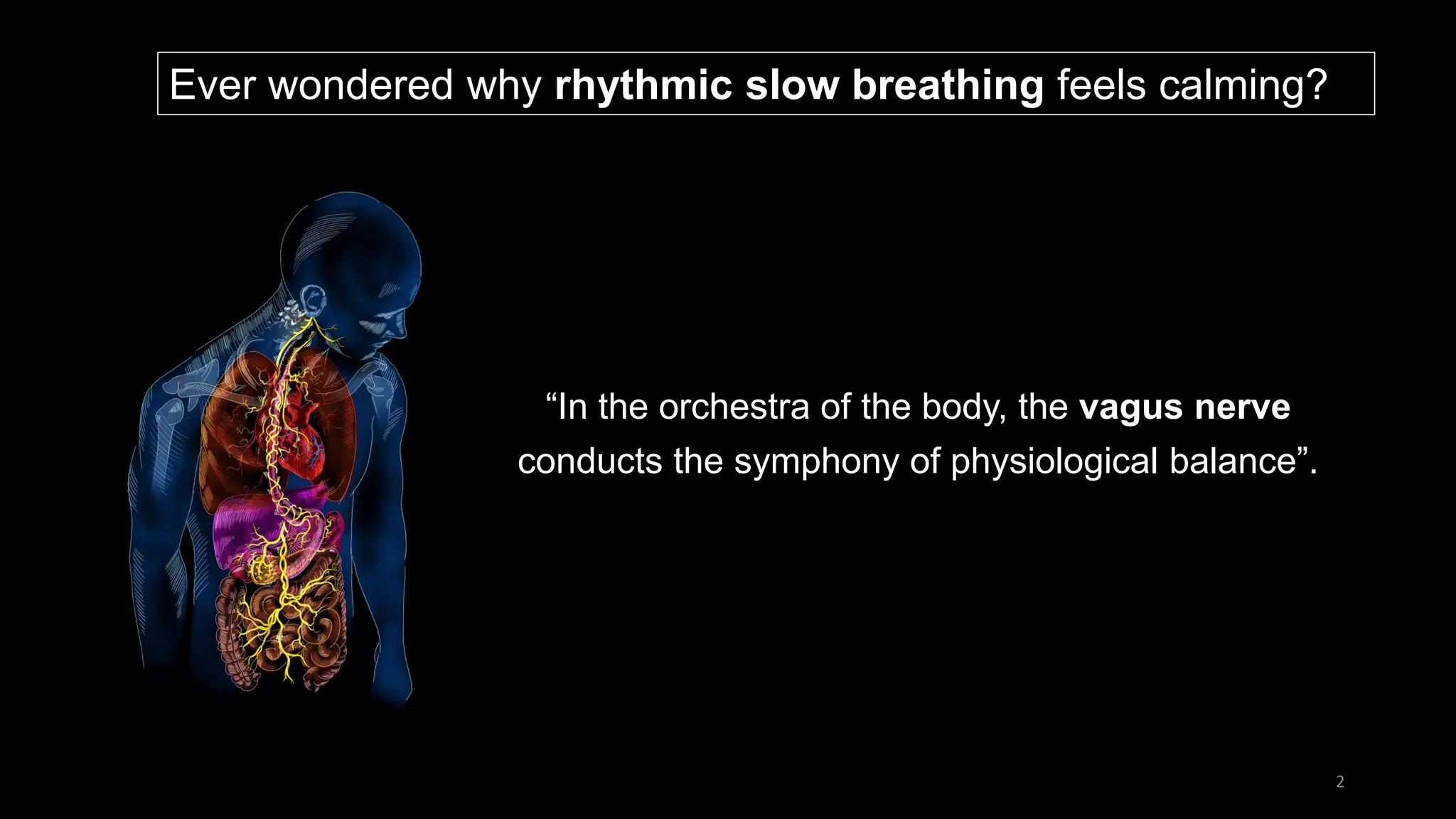
The vagus nerve is one of the 12 cranial nerves that connect your brain to various parts of your body. It extends from the brainstem down to the gut, making it the longest nerve in the autonomic nervous system. This nerve is central to the parasympathetic nervous system, often referred to as the "rest and digest" system. Unlike the sympathetic nervous system, which triggers the fight-or-flight response, the vagus nerve helps your body return to a state of calm after a stressful event.
Research has shown that the vagus nerve plays a key role in regulating inflammation, mood, and even cognitive function. When it’s functioning properly, it helps maintain balance in your body's systems. However, chronic stress, poor lifestyle habits, or certain medical conditions can disrupt this balance, leading to issues like anxiety, digestive problems, and even depression.
Why Vagal Nerve Stimulation Matters
Stimulating the vagus nerve isn’t just about feeling more relaxed—it’s about improving overall well-being. Studies have found that vagus nerve activity is linked to lower levels of inflammation, improved heart rate variability, and better emotional regulation. For people dealing with chronic stress, anxiety, or even neurological conditions like epilepsy, vagus nerve stimulation can be a powerful tool.
While medical devices are available for targeted stimulation (often used in clinical settings), there are also numerous at-home techniques that can help boost vagal tone naturally. These methods are safe, accessible, and can be incorporated into daily life without any special equipment.
5 Effective Ways to Stimulate the Vagus Nerve at Home
1. Deep Breathing Techniques
One of the simplest and most effective ways to stimulate the vagus nerve is through deep breathing. Focusing on slow, controlled breaths activates the parasympathetic nervous system, signaling your body to relax.
How to do it: - Inhale through your nose for a count of four. - Exhale through your mouth for a count of six. - Repeat this cycle for several minutes.
This technique helps regulate heart rate and reduce cortisol levels, promoting a sense of calm. You can practice it anytime—whether you're sitting at your desk, lying in bed, or taking a walk.
2. Making Vibrational Sounds
Vibrations from sounds like humming, chanting, or gargling can directly stimulate the vagus nerve. These activities activate the muscles in your throat, which are connected to the nerve, helping to increase vagal tone.
How to do it: - Hum a low note for 30 seconds. - Sing a simple melody or chant “om.” - Gargle water for a few minutes.
These sounds can be done anywhere and are especially helpful during moments of stress or tension.
3. Cold Exposure
Exposure to cold temperatures, such as a cold shower or splashing your face with ice water, can trigger the mammalian diving reflex. This reflex activates the vagus nerve, slowing your heart rate and helping you feel more centered.
How to do it: - End your shower with a 30-second cold rinse. - Splash your face with cold water. - Try a brief cold plunge if possible.
Start gradually and build up to longer exposure as your body adapts.
4. Physical Exercise
Regular physical activity is another excellent way to support vagus nerve function. Exercise increases blood flow to the brain, promotes the release of feel-good chemicals like endorphins, and enhances vagal tone.
How to do it: - Engage in moderate aerobic exercises like walking, cycling, or swimming. - Incorporate yoga or stretching routines to improve flexibility and reduce tension.
Even short bursts of movement can make a difference in your overall well-being.
5. Massage and Touch
Gentle massage, especially around the neck, shoulders, and feet, can stimulate the vagus nerve and promote relaxation. Reflexology, in particular, has been shown to improve vagal tone and reduce stress.
How to do it: - Give yourself a neck and shoulder massage using gentle pressure. - Use your thumbs to press along the arch of your feet. - Try a foot massage by rotating your ankles and stretching your toes.
Massage not only eases physical tension but also supports mental clarity and emotional balance.
Benefits of Regular Vagus Nerve Stimulation
Incorporating these practices into your daily routine can lead to a wide range of benefits, including:
- Reduced stress and anxiety
- Improved emotional regulation
- Better sleep quality
- Lower blood pressure
- Enhanced digestion
- Increased heart rate variability
Over time, consistent vagus nerve stimulation can help your body maintain a healthier balance between the sympathetic and parasympathetic nervous systems, leading to greater resilience against stress and illness.
Final Thoughts
The vagus nerve is a powerful yet often overlooked part of our nervous system. By learning how to stimulate it at home, you can take control of your health and well-being in meaningful ways. Whether through deep breathing, sound therapy, cold exposure, exercise, or massage, there are numerous natural techniques to support this vital nerve.
Remember, while these methods are safe and beneficial for most people, they should not replace professional medical advice. If you're experiencing persistent symptoms or underlying health conditions, always consult with a healthcare provider.
By prioritizing vagus nerve health, you're not just improving your physical and mental state—you're investing in a more balanced, resilient, and fulfilling life. Start small, stay consistent, and let your body guide you toward greater peace and wellness.

Post a Comment for "What Is Vagal Nerve Stimulation at Home? A Complete Guide"
Post a Comment