What Are Thymosin Beta 4 Peptides and Their Potential Benefits?
Thymosin beta 4 peptides have become a focal point in the world of regenerative medicine, with growing interest from scientists, researchers, and health enthusiasts alike. These peptides are not just another trend—they represent a promising avenue for tissue repair, immune support, and even neurological recovery. Whether you're an athlete looking to recover faster, someone dealing with chronic wounds, or simply curious about how your body heals itself, understanding thymosin beta 4 could be a game-changer.
In this article, we’ll explore what thymosin beta 4 is, how it works, and the wide range of potential benefits it offers. From its role in cardiac protection to its applications in skin healing and beyond, we’ll break down the science behind this powerful peptide and why it’s gaining so much attention.
What Is Thymosin Beta 4?

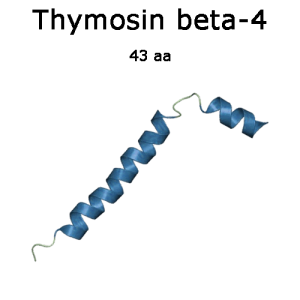
Thymosin beta 4 (Tβ4) is a naturally occurring 43-amino acid peptide found in various tissues throughout the human body. It plays a crucial role in cellular processes such as actin regulation, wound healing, and inflammation control. As one of the most studied peptides in biomedical research, Tβ4 has been linked to numerous therapeutic applications due to its ability to influence multiple biological pathways.
At the core of its function is its interaction with G-actin, a protein essential for cell structure and movement. By sequestering G-actin, Tβ4 helps regulate the dynamic balance of actin filaments, which is vital for cell migration, tissue repair, and overall cellular function. This unique mechanism makes it a key player in the body's natural healing processes.
Beyond its role in actin regulation, Tβ4 also influences other critical functions such as angiogenesis (the formation of new blood vessels), anti-inflammatory responses, and the promotion of stem cell activity. These properties have led researchers to explore its potential in treating a wide range of conditions, from heart disease to neurodegenerative disorders.
How Does Thymosin Beta 4 Work?
The mechanisms by which thymosin beta 4 exerts its effects are complex and multifaceted. One of its primary roles is in the regulation of actin dynamics. By binding to G-actin, Tβ4 prevents the polymerization of actin into filaments, thereby controlling the structural integrity of cells. This process is essential for cell migration, which is a fundamental aspect of tissue repair and regeneration.
In addition to its role in actin regulation, Tβ4 has been shown to modulate several signaling pathways that are involved in tissue repair and inflammation. For instance, it can enhance the expression of brain-derived neurotrophic factor (BDNF), which supports the survival and growth of neurons. It also interacts with the TrkB receptor, which is important for neuronal development and plasticity.
Another significant pathway influenced by Tβ4 is the ferroptosis resistance mechanism. Ferroptosis is a form of programmed cell death that occurs due to iron-dependent lipid peroxidation. Studies have shown that Tβ4 can inhibit this process, making it a potential therapeutic target in cancer treatment and other conditions where oxidative stress is a concern.
Cardiac Protection and Heart Health

One of the most promising areas of research involving thymosin beta 4 is its role in cardiac protection. Recent studies have demonstrated that Tβ4 can modulate the ROCK1 signaling pathway, which is involved in cardiac remodeling after a myocardial infarction (heart attack). By regulating ROCK1, Tβ4 helps reduce fibrosis and improve cardiac function, making it a valuable tool in the treatment of heart disease.
In clinical trials, patients who received Tβ4 showed improved outcomes compared to those who did not. The peptide was found to enhance the survival of cardiomyocytes (heart muscle cells) and promote the formation of new blood vessels, both of which are critical for recovery after a heart attack. Additionally, Tβ4 has been shown to reduce inflammation and oxidative stress, further supporting its role in cardiac health.
Wound Healing and Skin Regeneration

Thymosin beta 4 has also gained attention for its remarkable effects on wound healing and skin regeneration. Its ability to promote angiogenesis and reduce inflammation makes it an ideal candidate for treating chronic wounds, burns, and other skin injuries. Studies have shown that Tβ4 can accelerate the healing process by stimulating the migration and proliferation of cells involved in tissue repair.
In one study, patients with corneal wounds experienced faster healing after receiving Tβ4 eye drops. Similarly, animal models with ulcers and chronic wounds showed significant improvement when treated with Tβ4. These findings highlight the potential of Tβ4 as a therapeutic agent for a wide range of skin-related conditions.
Neurological Applications and Brain Health
The potential of thymosin beta 4 extends beyond the heart and skin—it also shows promise in neurological applications. Research has indicated that Tβ4 may play a role in protecting the brain from damage caused by strokes, traumatic injuries, and neurodegenerative diseases such as Alzheimer's.
Studies using brain organoid models have shown that Tβ4 can help mitigate the effects of Alzheimer's by reducing the accumulation of beta-amyloid plaques and promoting the survival of neurons. Additionally, Tβ4 has been found to enhance the regeneration of axons in zebrafish, suggesting its potential in treating nerve injuries.
Cancer Research and Ferroptosis Resistance

In the field of cancer research, thymosin beta 4 has emerged as a potential therapeutic target. Recent studies have identified a novel Tβ4/SLC7A11 signaling pathway that regulates ferroptosis resistance in cancer cells. By modulating this pathway, Tβ4 can help overcome resistance to ferroptosis, a process that is often exploited by cancer cells to evade cell death.
This discovery has significant implications for the development of combination therapies that target multiple cell death pathways. Researchers are now exploring how Tβ4 can be used in conjunction with other treatments to improve outcomes for patients with various types of cancer.
Immune System Support
Thymosin beta 4 also plays a crucial role in supporting the immune system. It has been shown to enhance the production of T-cells and B-cells, which are essential for fighting infections and producing antibodies. Additionally, Tβ4 can suppress pro-inflammatory cytokines, helping to reduce inflammation and prevent excessive immune responses.
These immune-modulating properties make Tβ4 a valuable tool in the treatment of autoimmune disorders and other conditions where the immune system is overactive or underactive. Researchers are continuing to explore the full extent of Tβ4's impact on immune function.
Hair Growth and Scalp Health

Another area where thymosin beta 4 has shown promise is in hair growth and scalp health. Studies have demonstrated that Tβ4 can stimulate the active phase of the hair follicle cycle and promote the migration of stem cells to the base of the follicle, leading to increased hair growth.
In a study involving patients with alopecia areata, those who received Tβ4 treatment experienced reduced hair loss and new hair growth after three months. These findings suggest that Tβ4 may be a viable option for individuals struggling with hair loss and other scalp conditions.
Liver Health and Fibrosis
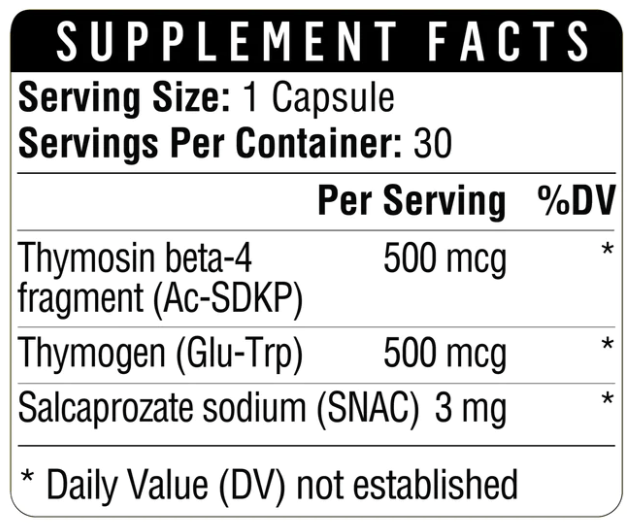
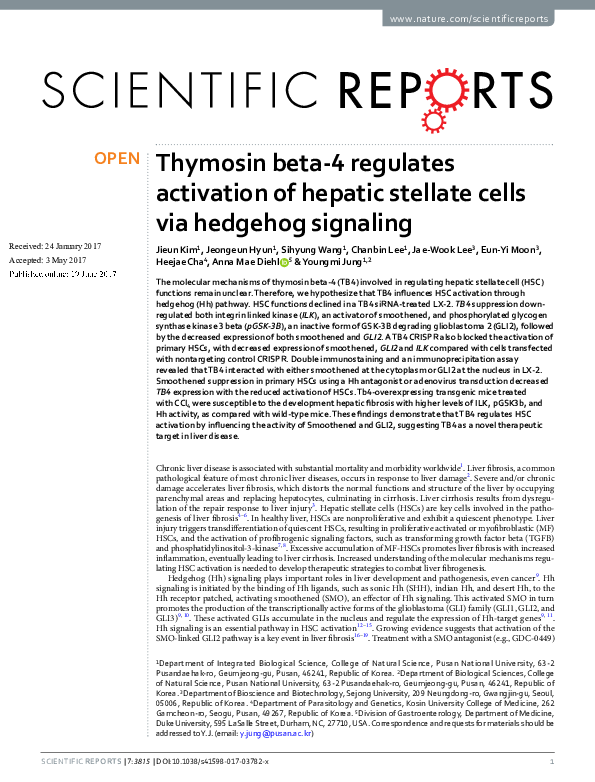
Thymosin beta 4 has also been investigated for its potential benefits in liver health, particularly in the context of liver fibrosis. Research has shown that Tβ4 can suppress the activation, proliferation, and migration of hepatic stellate cells, which are responsible for the progression of liver fibrosis.
By inhibiting these processes, Tβ4 may help prevent or slow the progression of liver disease. This makes it a promising candidate for the treatment of chronic liver conditions and other related disorders.
Conclusion
Thymosin beta 4 peptides represent a fascinating and rapidly evolving area of research with a wide range of potential applications. From cardiac protection and wound healing to neurological recovery and immune support, the benefits of Tβ4 are vast and varied. As our understanding of this peptide continues to grow, so too does the potential for developing new therapies that harness its power.
Whether you're a researcher, a healthcare professional, or simply someone interested in the latest advancements in regenerative medicine, thymosin beta 4 is a topic worth exploring. With ongoing studies and clinical trials, we can expect to see even more exciting developments in the years to come.

Post a Comment for "What Are Thymosin Beta 4 Peptides and Their Potential Benefits?"
Post a Comment