Understanding Polyvagal Theory: Guided Practices for Emotional Regulation
In a world where stress, anxiety, and trauma are increasingly common, understanding how our nervous system responds to these challenges is more important than ever. Polyvagal theory offers a powerful framework for exploring these responses and provides practical tools to support emotional regulation. Whether you're dealing with chronic stress, past trauma, or simply looking to improve your mental well-being, polyvagal theory guided practices can help you build resilience and restore a sense of safety within yourself.
This article will explore the core principles of polyvagal theory, explain how it applies to everyday life, and offer actionable exercises that you can incorporate into your routine. By learning to recognize and respond to your nervous system’s signals, you can take control of your emotional state and cultivate a deeper connection with yourself and others.
What Is Polyvagal Theory?
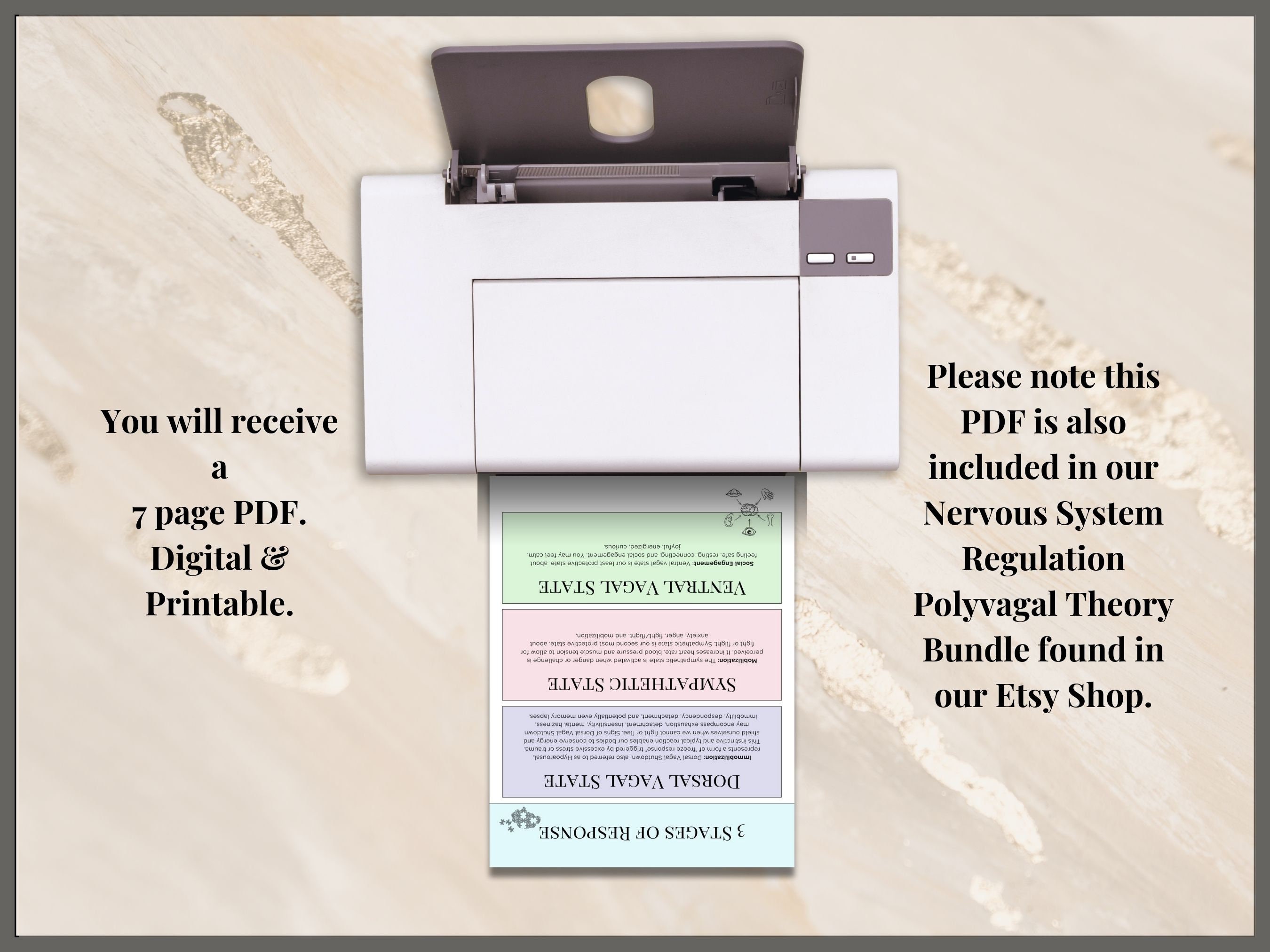
Developed by Dr. Stephen Porges in the 1990s, polyvagal theory redefines how we understand the autonomic nervous system (ANS). Unlike traditional models that view the ANS as a simple fight-or-flight response, polyvagal theory introduces a more nuanced perspective by identifying three primary states:
- Ventral Vagal (Safety): This is the state of calm, social engagement, and connection.
- Sympathetic (Mobilization): This is the fight-or-flight response, triggered when we feel threatened.
- Dorsal Vagal (Shutdown): This is the freeze or dissociation response, often seen in cases of trauma or extreme stress.
The key insight of polyvagal theory is that our nervous system constantly scans the environment for cues of safety or danger. It then responds accordingly, either through relaxation, mobilization, or shutdown. The goal of polyvagal-informed practices is not to eliminate these states but to develop autonomic flexibility—the ability to move between states smoothly and return to a regulated baseline.
Why Polyvagal Theory Matters for Emotional Regulation
For many people, especially those who have experienced trauma or chronic stress, the nervous system can become stuck in protective states. This might manifest as constant anxiety, difficulty relaxing, or a sense of disconnection from the world around them. Polyvagal theory helps us understand why this happens and offers a path to healing.
By recognizing the body's natural responses, we can begin to work with our nervous system rather than against it. This shift in perspective allows us to approach emotional regulation with compassion, curiosity, and a greater sense of self-awareness.
Breathing Exercises for Nervous System Regulation
Breath is one of the most accessible tools for regulating the nervous system. Because breathing is both automatic and controllable, it serves as a bridge between the conscious and unconscious mind. Here are some effective breathing techniques rooted in polyvagal principles:
1. Extended Exhale Breathing
- How to Practice: Inhale for a count of four, exhale for a count of six or eight. You can also try exhaling through pursed lips or with a soft sigh.
- Why It Works: Lengthening the exhale activates the parasympathetic nervous system, promoting relaxation.
2. The Physiological Sigh
- How to Practice: Take a deep inhale through your nose, then a second, shorter inhale to fully expand your lungs. Follow with a long, slow exhale.
- Why It Works: This technique mimics a natural breath pattern that occurs during transitions from stress to calm.
3. Resonance Breathing
- How to Practice: Breathe in for five seconds, out for five seconds. Aim for about five to six breaths per minute.
- Why It Works: This rhythm may enhance heart rate variability, a marker of autonomic flexibility.
These breathing exercises are not about achieving perfection—they’re about creating a sense of ease and grounding.
Vagal Toning Exercises
The vagus nerve plays a central role in polyvagal theory, influencing everything from heart rate to digestion. Strengthening vagal tone can help regulate the nervous system and promote feelings of safety.
1. Humming and Vocalisation
- How to Practice: On an exhale, hum at a comfortable pitch. Experiment with different tones and volumes.
- Why It Works: The vibrations from humming stimulate the vagus nerve, encouraging a shift toward the ventral vagal state.
2. Cold Water Application
- How to Practice: Splash cold water on your face or use a cold cloth. Focus on the sensation without forcing it.
- Why It Works: Cold exposure activates the dive reflex, which promotes calm and relaxation.
3. Gargling
- How to Practice: Gargle with water for 30 seconds to a minute. Repeat once or twice daily.
- Why It Works: Gargling engages the muscles innervated by the vagus nerve, potentially supporting regulation.
Orienting and Grounding Exercises
When the nervous system feels overwhelmed, grounding techniques can help bring attention back to the present moment. These practices signal safety to the body and reduce the intensity of stress responses.
1. Slow Orienting
- How to Practice: Soften your gaze, slowly turn your head, and take in your surroundings. Name what you see.
- Why It Works: This practice encourages awareness of the environment, helping the nervous system recognize safety.
2. 5-4-3-2-1 Grounding Technique
- How to Practice: Name five things you see, four you hear, three you feel, two you smell, and one you taste.
- Why It Works: Engaging multiple senses anchors you in the present, reducing internal overwhelm.
3. Grounding Through the Body
- How to Practice: Notice the contact between your body and the surface beneath you. Feel the weight of your body and the support around you.
- Why It Works: Physical grounding helps the nervous system feel safe and supported.
Movement-Based Exercises
Movement is another powerful tool for regulating the nervous system. From shaking to walking, physical activity can help release stored tension and restore balance.
1. Gentle Shaking
- How to Practice: Stand with feet hip-width apart and gently shake your body. Let the movement ripple through you.
- Why It Works: Shaking is a natural discharge mechanism that helps release activation from the sympathetic nervous system.
2. Pushing and Pressing
- How to Practice: Push against a wall or press your palms together. Focus on the sensations in your body.
- Why It Works: These movements engage the muscles used in fight responses, helping complete protective actions.
3. Slow, Mindful Walking
- How to Practice: Walk at a slower pace, noticing the sensations of each step.
- Why It Works: Slow movement supports a shift from activation to calm, promoting mindfulness.
Social Engagement Exercises
Polyvagal theory emphasizes the importance of social connection in regulating the nervous system. Our facial expressions, voice, and presence all play a role in signaling safety to others—and to ourselves.
1. Soft Gaze and Facial Relaxation
- How to Practice: Allow your jaw and eyes to soften. Imagine your face becoming warm and relaxed.
- Why It Works: Softening the face sends signals of safety to the nervous system.
2. Voice Modulation
- How to Practice: Speak in a warm, melodic tone. Practice using gentle, soothing language.
- Why It Works: Vocal prosody influences autonomic state, promoting connection and calm.
3. Listening to Calming Voices
- How to Practice: Listen to recordings of calm, warm voices. Pay attention to how they make you feel.
- Why It Works: Hearing soothing voices can activate the social engagement system, enhancing feelings of safety.
Co-Regulation Practices
One of the most profound insights of polyvagal theory is that regulation often happens in relationship. We are wired to co-regulate, meaning we can help regulate each other’s nervous systems through presence and attunement.
1. Being with Regulated Others
- How to Practice: Spend time with people who feel safe and grounded. Notice their nonverbal cues.
- Why It Works: Being with regulated individuals can help your own nervous system feel calmer.
2. Compassionate Self-Talk
- How to Practice: Speak to yourself in a warm, gentle tone. Use phrases like “You’re okay.”
- Why It Works: Self-compassion mimics the attuned presence of a caring other, offering comfort and support.
Building Your Personal Regulation Toolkit
What works for one person may not work for another. The key is to experiment with different practices and notice what shifts your state. Keep a journal to track your experiences and identify patterns over time.
Some questions to consider: - Which practices help when you’re feeling activated? - Which help when you’re feeling shut down? - Are there practices that feel neutral or uncomfortable? Adjust accordingly.
Working with a therapist trained in polyvagal theory can also provide valuable guidance, especially if you have a history of trauma or complex stress responses.
Conclusion
Polyvagal theory offers a transformative lens through which to understand and regulate the nervous system. By integrating practices that engage breath, body, senses, voice, and connection, we can build greater flexibility and resilience. Healing isn’t about eliminating stress or achieving permanent calm—it’s about learning to navigate life’s challenges with a more balanced and grounded nervous system.
As you explore these practices, remember that progress is gradual and personal. With patience, curiosity, and self-compassion, you can create a more regulated, connected, and empowered version of yourself.

Post a Comment for "Understanding Polyvagal Theory: Guided Practices for Emotional Regulation"
Post a Comment