Understanding Polyvagal Theory and Its Role in Managing Anxiety
Anxiety is often seen as a mental health issue, but it's much more than that. It's a physical experience that affects your entire body, from your heart rate to your breathing. If you've ever felt your heart race or your chest tighten during moments of stress, you're not alone. These reactions are real, and they have a biological root. This is where Polyvagal Theory comes into play, offering a new way to understand and manage anxiety by looking at the nervous system.
Polyvagal Theory, developed by Dr. Stephen Porges, explains how our nervous system responds to threats and safety. It suggests that our bodies are constantly evaluating our environment, deciding whether we're safe or in danger. This process, called neuroception, happens without us even realizing it. By understanding this, we can start to see anxiety not as a flaw in our thinking, but as an ancient survival mechanism trying to protect us.
In this article, we'll explore how Polyvagal Theory helps us understand anxiety, what the nervous system does, and how we can use this knowledge to manage our anxiety more effectively. Whether you're dealing with generalized anxiety or specific fears, this theory offers valuable insights that can lead to lasting relief.
The Science of Safety: Meet Your Autonomic Nervous System
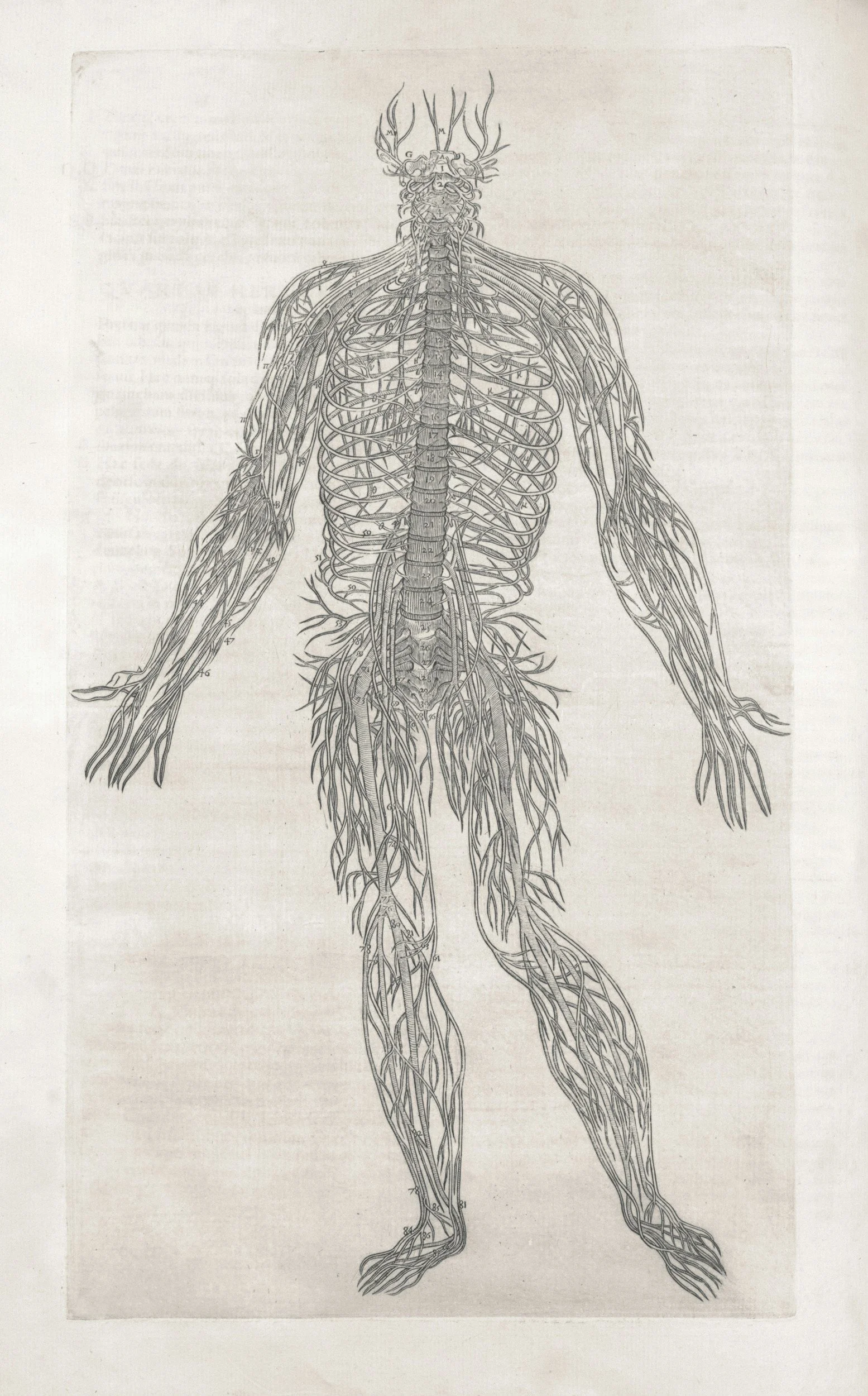
Your autonomic nervous system (ANS) is like a personal surveillance system, always on duty. It works silently in the background to manage your heart rate, breathing, and digestion, ensuring your survival. At the heart of this system is the vagus nerve, a critical information highway connecting your brain to your body, constantly sending signals about whether you are safe or in danger.
The ANS has three main branches, each playing a distinct role in our physiological and psychological functioning:
- Ventral Vagal Complex (VVC): This is the most evolved part of our nervous system, associated with social engagement, calmness, and feelings of safety.
- Sympathetic Nervous System (SNS): This is our “fight or flight” response, activated in situations of perceived danger.
- Dorsal Vagal Complex (DVC): This is our most primitive response, associated with immobilization or “freeze” reactions in extreme danger.
Understanding these systems helps us see how our bodies react to stress and anxiety. When we feel threatened, our SNS kicks in, preparing us to fight or flee. But when the threat is too overwhelming, our DVC takes over, causing us to shut down.
The Three States of Your Nervous System: A Simple Guide

Developed by Dr. Stephen Porges, the Polyvagal Theory explains that our nervous system can shift between three primary states, each with its own set of feelings and behaviors:
- Ventral Vagal (Safe & Social): This is your state of well-being and resilience. You feel calm, grounded, connected to others, and open to creativity and growth.
- Sympathetic (Fight-or-Flight): When your system detects a threat, it mobilizes you for action. You feel anxious, your heart pounds, and your mind races. This is the classic stress response designed for protection.
- Dorsal Vagal (Shutdown/Freeze): When a threat feels inescapable, your system may shut down to conserve energy. This can feel like numbness, disconnection, hopelessness, or being frozen.
These states are not just abstract concepts; they are real experiences that affect how we feel and behave. Understanding them can help us navigate our anxiety more effectively.
Neuroception: Your Body’s Unconscious ‘Threat Detector’
Your body decides which state to activate through a process called neuroception—an unconscious 'threat detector' that happens before conscious thought. It’s not about thinking you are safe, but about your body feeling safe. Past experiences, especially traumatic ones, can train your neuroception to be overly sensitive. This is why you can feel a sudden surge of anxiety in a logically safe situation; your body is simply reacting to an old survival pattern it learned to keep you alive.
This sensitivity can make it difficult to feel safe, even in situations that are objectively safe. By understanding neuroception, we can begin to see how our bodies respond to stress and learn to create a sense of safety within ourselves.
How Anxiety Hijacks Your Nervous System: A Polyvagal Perspective

If you live with anxiety, you know it's more than just a feeling of worry—it's a full-body experience that can take over. From a Polyvagal perspective, anxiety isn't a flaw in your thinking; it's a sign that your nervous system is stuck in a state of defense. Think of it like a smoke detector that has become overly sensitive. It's designed to protect you, but it starts going off for burnt toast, not just a real fire. Over time, this constant state of alarm makes it incredibly difficult to return to a natural state of calm and connection.
Anxiety as 'Stuck' Sympathetic Activation
This is the classic 'fight-or-flight' mode. When your nervous system is stuck here, you feel constantly mobilized for a threat that isn't actually present. It's a state of high-alert that drains your energy and leaves you feeling perpetually on edge or restless.
Anxiety Leading to Shutdown or 'Freezing'
When the 'fight-or-flight' response becomes too overwhelming, your body can resort to a more ancient survival strategy: shutdown. This is the Dorsal Vagal state, or 'freezing.' Instead of feeling revved up, you might feel numb, foggy, or disconnected from yourself and the world.
Why Traditional Talk Therapy Sometimes Isn’t Enough
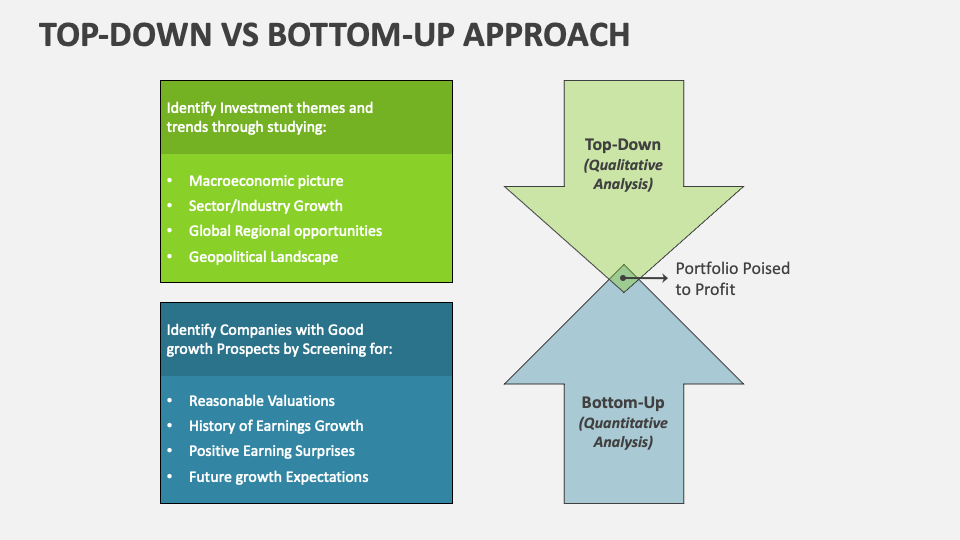
Cognitive approaches like CBT are valuable tools for challenging anxious thoughts, but they primarily work from the 'top-down' (mind to body). When your nervous system is in a survival state, you can't simply 'out-think' its biological response. This distinction is central to understanding why Polyvagal therapy is effective. It offers a 'bottom-up' approach, working directly with the body to create a felt sense of safety. This helps regulate your nervous system first, making cognitive work more effective and lasting.
How Polyvagal-Informed Therapy Works to Heal Anxiety

Polyvagal-informed therapy isn't about fighting or eliminating anxiety. Instead, it's a gentle and collaborative journey to help your nervous system rediscover its natural state of safety and connection. The goal is not to get rid of anxious feelings entirely, but to expand your capacity to navigate them with greater resilience.
Here are some key steps in the process:
Step 1: Mapping Your Personal Nervous System
Your healing journey begins with compassionate curiosity. Your therapist will guide you in creating a personal "map" of your autonomic nervous system. Together, you’ll gently explore and identify your unique triggers and the subtle physical cues your body sends when it shifts into fight-or-flight or shutdown.
Step 2: Finding Safety Through Co-Regulation
Co-regulation is the process of using the safety of a trusted relationship to help calm and regulate your own nervous system. In therapy sessions, your therapist’s calm, attuned presence provides a safe anchor. This consistent, supportive connection helps your body learn-on a biological level-that it is safe to lower its defenses.
Step 3: Learning ‘Vagal Brakes’ and Somatic Tools
This is where you begin to build your personal toolkit for resilience. Your therapist will introduce you to "vagal brakes"—simple, body-based exercises designed to gently activate your Ventral Vagal state of safety and connection. These are not complex tasks but practical skills you can use anytime you feel overwhelmed.
Examples include: - Mindful Breathing: Learning to lengthen your exhale to signal calm to your body. - Gentle Movement: Simple stretches or rocking motions that soothe the nervous system. - Grounding Self-Touch: Placing a hand on your heart or stomach to provide reassuring physical feedback.
Conclusion
Polyvagal Theory offers a revolutionary perspective on anxiety, providing a deeper understanding of the intricate relationship between our nervous system and our emotional experiences. By recognizing anxiety as a physiological state rooted in our evolutionary history, we can develop more effective and holistic approaches to its management.
The future of anxiety treatment looks promising with the continued research and application of Polyvagal Theory. Ongoing studies are exploring new interventions based on this theory, including non-invasive vagus nerve stimulation devices and virtual reality-based therapies that incorporate Polyvagal principles. These advancements hold the potential to further revolutionize our approach to anxiety disorders and other mental health conditions.
For those struggling with anxiety, exploring Polyvagal Theory-based approaches can offer a new path towards relief and emotional well-being. Whether you’re dealing with generalized anxiety disorder, reality anxiety, or other forms of anxiety, understanding the role of your nervous system can be empowering. By learning to “grab the strings” of your internal puppeteer, you can develop greater control over your anxiety and cultivate a deeper sense of safety and calm in your daily life.
Remember, while Polyvagal Theory offers valuable insights and strategies, it should be considered as part of a comprehensive approach to anxiety management. Consulting with mental health professionals who are knowledgeable about Polyvagal Theory can help you develop a personalized treatment plan that incorporates these principles alongside other evidence-based interventions.
As we continue to unravel the complexities of the human nervous system, Polyvagal Theory stands as a testament to the power of integrating neuroscience with psychological understanding. By bridging the gap between our evolutionary past and our present experiences, this theory offers a roadmap for navigating the challenges of anxiety in the modern world.

Post a Comment for "Understanding Polyvagal Theory and Its Role in Managing Anxiety"
Post a Comment