Top Vagus Nerve Activation Exercises for Better Health and Stress Relief
In today’s fast-paced world, stress has become an almost inevitable part of life. But what if you could naturally calm your nervous system and improve your overall well-being with simple exercises? The answer lies in the vagus nerve—a key player in regulating your body’s “rest and digest” response. By activating this nerve through specific practices, you can reduce anxiety, enhance emotional resilience, and even support better digestion. This article explores the science behind vagus nerve activation and shares 12 practical exercises to help you feel more grounded, relaxed, and balanced.

Understanding the Vagus Nerve: Your Body’s Internal Communication Highway
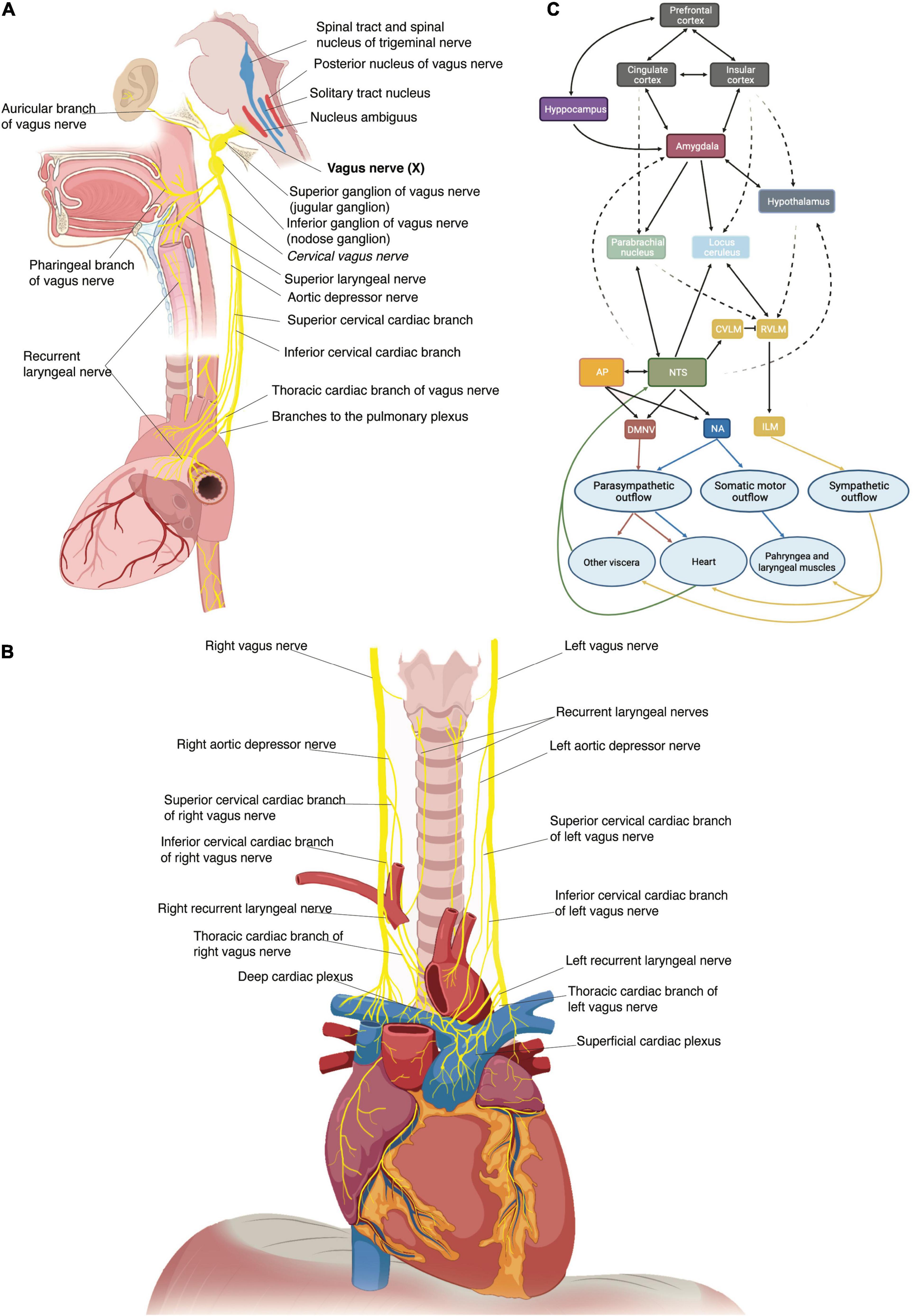
The vagus nerve is the longest cranial nerve in the body, stretching from the brainstem down to the abdomen. It acts as a critical link between the brain and various organs, including the heart, lungs, and digestive tract. Often referred to as the “wanderer nerve,” it plays a central role in the parasympathetic nervous system, which is responsible for calming the body after a stressful event.
When the vagus nerve functions optimally, it helps regulate heart rate, breathing, digestion, and even mood. However, when it's underactive or stressed—known as low vagal tone—it can lead to chronic anxiety, digestive issues, and difficulty relaxing. Fortunately, there are ways to strengthen this vital nerve through targeted exercises.
Why Vagus Nerve Activation Matters
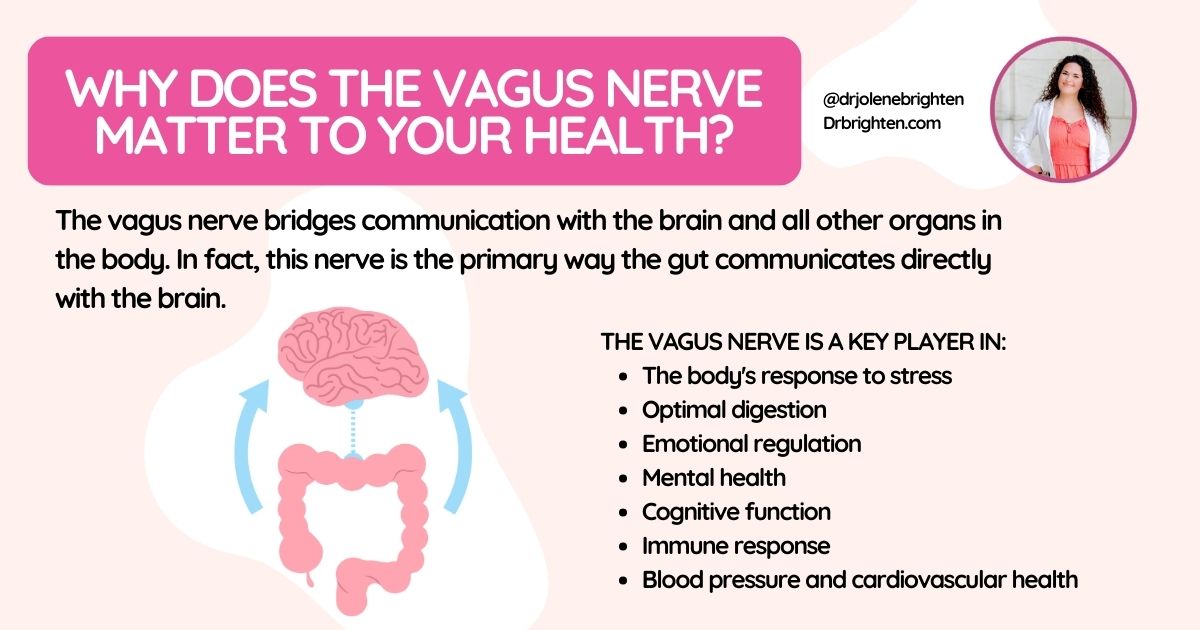
Stress is a natural part of life, but when it becomes chronic, it can wreak havoc on your body. The sympathetic nervous system (the “fight-or-flight” response) kicks in during stressful moments, while the vagus nerve helps bring your body back to a state of calm. If your vagus nerve isn’t functioning properly, you may find yourself stuck in a constant state of tension.
Improving vagal tone can have far-reaching benefits:
- Reduced anxiety and stress
- Improved digestion
- Enhanced emotional regulation
- Better sleep quality
- Increased resilience to daily challenges
By incorporating vagus nerve activation exercises into your routine, you can take control of your nervous system and cultivate a greater sense of well-being.
12 Effective Vagus Nerve Activation Exercises
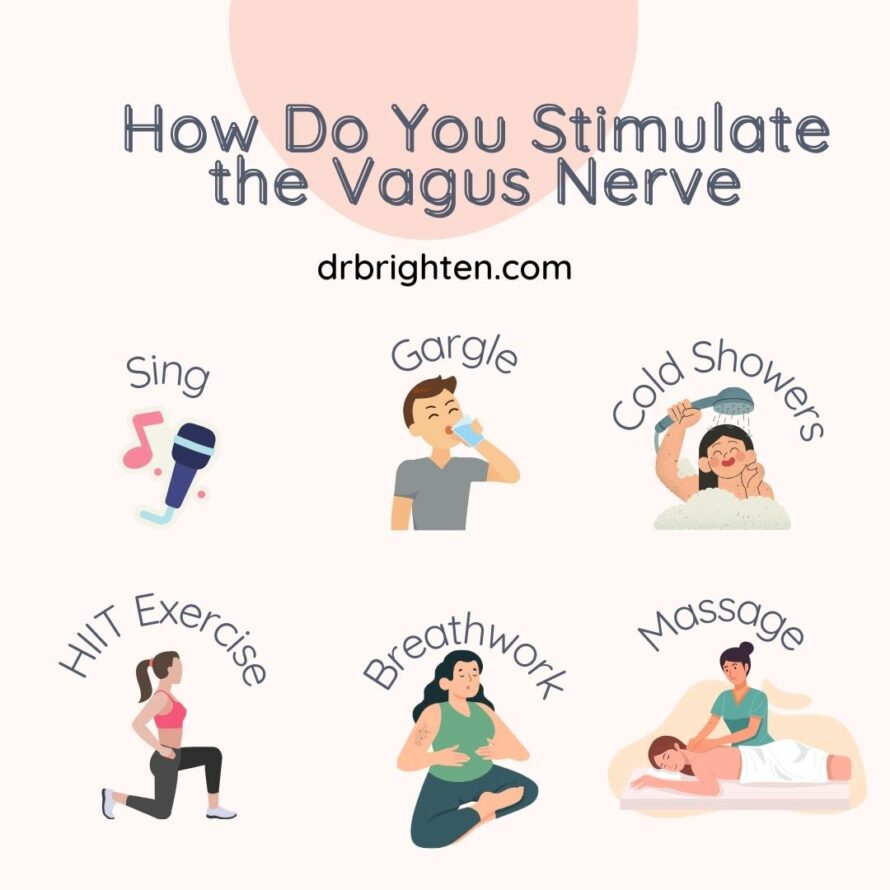
Here are 12 science-backed techniques to stimulate your vagus nerve and promote relaxation:
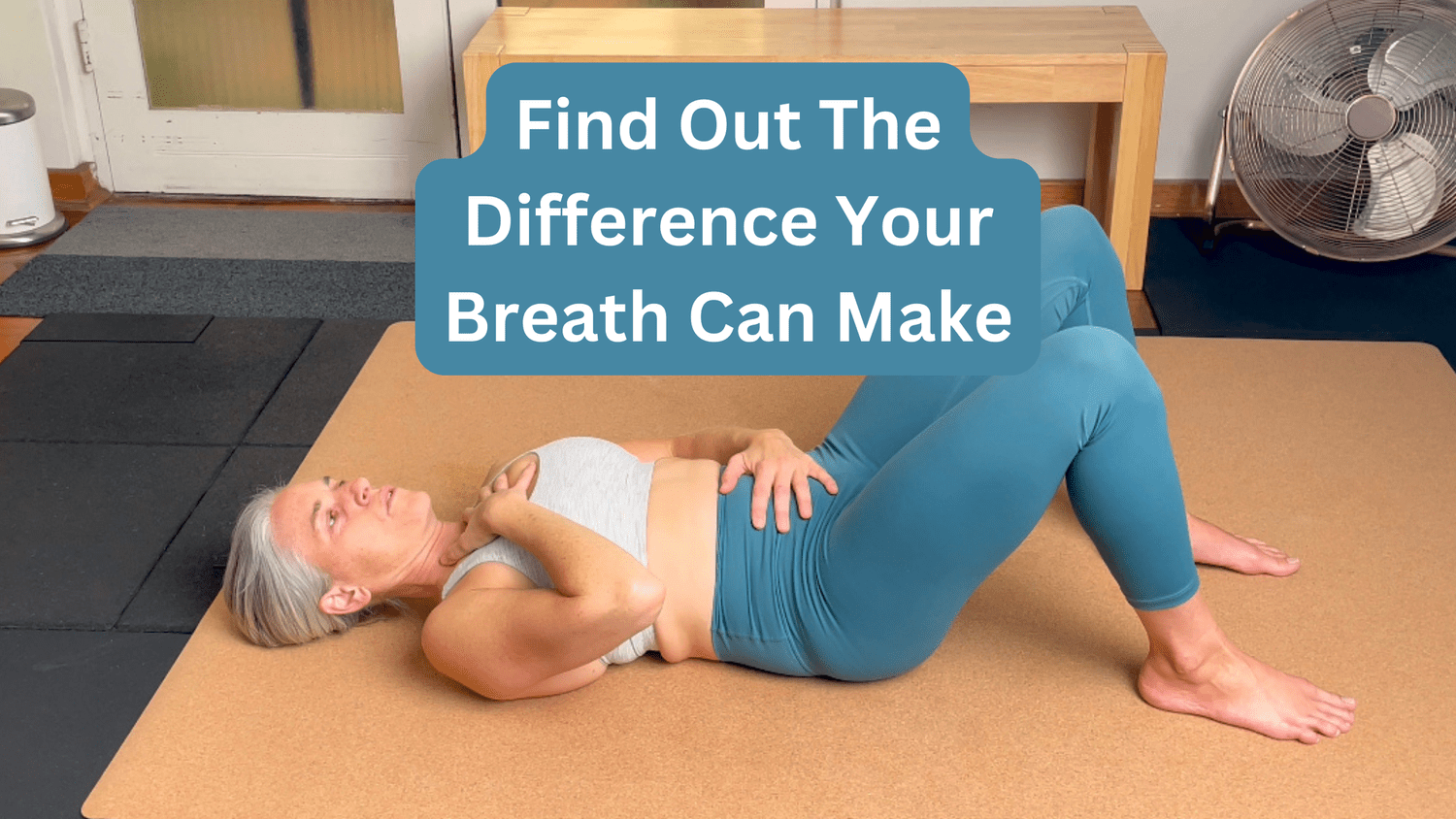
1. Deep Diaphragmatic Breathing
This technique involves slow, deep breaths that engage the diaphragm rather than shallow chest breathing. Each long exhale signals the vagus nerve to activate the parasympathetic nervous system, helping you feel calmer.
How to do it:
- Lie on your back with one hand on your belly and the other on your chest.
- Inhale slowly through your nose, letting your belly rise.
- Exhale slowly through your mouth, allowing your belly to fall.
- Make sure your exhale is longer than your inhale.
Best for: Daily stress management and immediate anxiety relief
2. Cold-Water Face Immersion

Dipping your face in cold water triggers the diving reflex, which slows your heart rate and activates the vagus nerve.
How to do it:
- Splash cold water on your face or press a cool washcloth to your face for 30 seconds.
- Avoid extreme temperatures and don’t submerge your entire head.
Best for: Panic attack relief
3. Humming and Singing
Humming creates vibrations that stimulate the vagus nerve, especially when done from the chest rather than the throat.
How to do it:
- Hum for 5–10 minutes, focusing on deep, steady vibrations.
- Plug your ears or gently cover them to enhance the sensation.
Best for: Daily stress management
4. 4-7-8 Breathing

This structured breathing technique uses a 4-7-8 pattern to encourage a slower, more controlled breath.
How to do it:
- Inhale for 4 seconds.
- Hold your breath for 7 seconds.
- Exhale for 8 seconds.
Best for: Transitioning from work to rest mode
5. OM Chanting
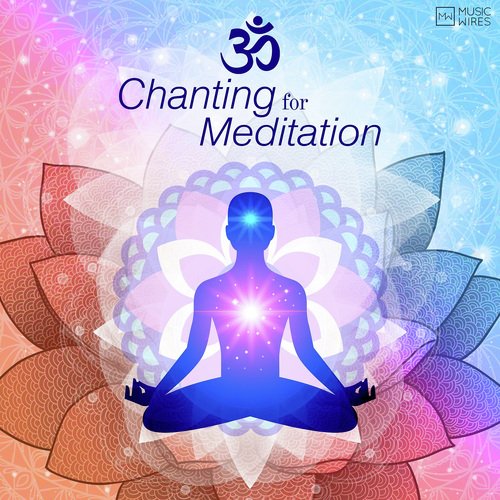
Chanting “OM” creates low-frequency vibrations that stimulate the vagus nerve, similar to humming.
How to do it:
- Inhale deeply through your nose.
- Exhale while chanting “OM” in a low, resonant tone.
- Repeat 3–5 times.
Best for: Daily nervous system regulation
6. Orienting to Safety
This practice involves grounding yourself in your environment by focusing on safe, comforting objects around you.
How to do it:
- Look around the room and notice things that feel safe or calming.
- Focus on sensory details like textures, sounds, or smells.
Best for: Immediate anxiety relief
7. Side Eye Movement

Moving your eyes side to side can stimulate the vagus nerve by engaging the visual system.
How to do it:
- Hold your gaze to the right for 5 seconds, then to the left for 5 seconds.
- Repeat as needed during stressful moments.
Best for: Immediate relief during stressors
8. Gentle Massage

Massaging certain areas of the body, such as the ears or neck, can stimulate the vagus nerve and promote relaxation.
How to do it:
- Gently massage the hollow of the upper ear (cymba concha) for 1 minute.
- Use light pressure and circular motions.
Best for: Building long-term resilience
9. Moderate Exercise
Physical activity stimulates the vagus nerve and supports the parasympathetic nervous system. Aim for 150 minutes of moderate exercise per week.
How to do it:
- Choose activities you enjoy, such as walking, cycling, or yoga.
- Start gradually and consult a doctor before beginning a new routine.
Best for: Long-term anxiety resilience
10. Safe Place Guided Meditation

Guided meditation focused on a peaceful mental space can help activate the vagus nerve and reduce stress.
How to do it:
- Find a quiet place and get comfortable.
- Use a guided meditation app or video to visualize a safe, calming environment.
Best for: Preparing for stressful situations
11. Yoga (Twists & Forward Folds)
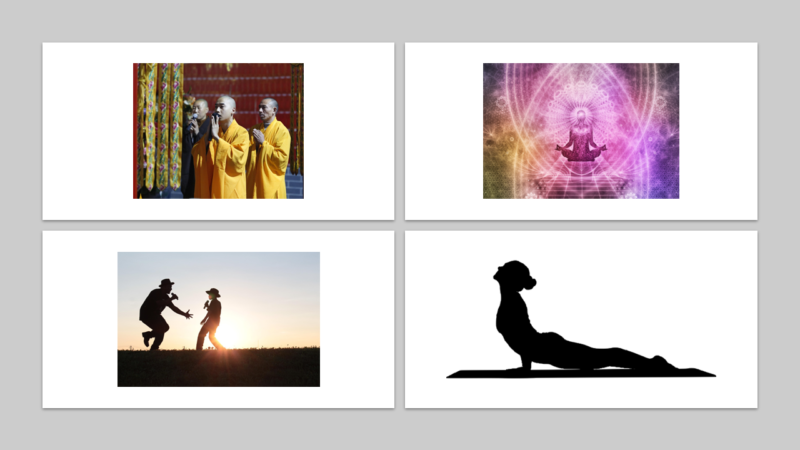
Gentle yoga poses, especially those involving twists and forward folds, can stimulate the vagus nerve through sustained breathing and movement.
How to do it:
- Try yin yoga or follow beginner-friendly online videos.
- Focus on holding poses for several minutes while breathing deeply.
Best for: Daily nervous system regulation
12. Controlled Laughter

Laughter encourages rhythmic breathing and diaphragmatic movement, both of which stimulate the vagus nerve.
How to do it:
- Watch a funny video or show that makes you laugh.
- Allow yourself to laugh fully, focusing on deep belly laughs.
Best for: Immediate anxiety relief
Conclusion
The vagus nerve is a powerful tool for managing stress, improving digestion, and enhancing emotional well-being. By incorporating these 12 exercises into your daily routine, you can strengthen your nervous system and cultivate a greater sense of calm. Whether you're practicing deep breathing, humming, or gentle yoga, each technique offers a unique way to activate your vagus nerve and restore balance to your body.
Remember, consistency is key. Like building muscle at the gym, regular practice will help your vagus nerve grow stronger over time. As you embrace these exercises, you'll not only feel more relaxed but also better equipped to handle the challenges of everyday life. Take the first step today—and discover the transformative power of vagus nerve activation.
Post a Comment for "Top Vagus Nerve Activation Exercises for Better Health and Stress Relief"
Post a Comment