Top Vagal Nerve Regulation Techniques for Better Health and Stress Management
In today’s fast-paced world, stress has become an almost inevitable part of life. But what if you could tap into a natural tool your body already has to manage that stress more effectively? The answer lies in the vagus nerve—a key player in regulating your body's response to stress and promoting overall well-being. This article will explore practical and effective techniques to stimulate your vagus nerve, helping you achieve greater calm, resilience, and health.
Understanding the Vagus Nerve

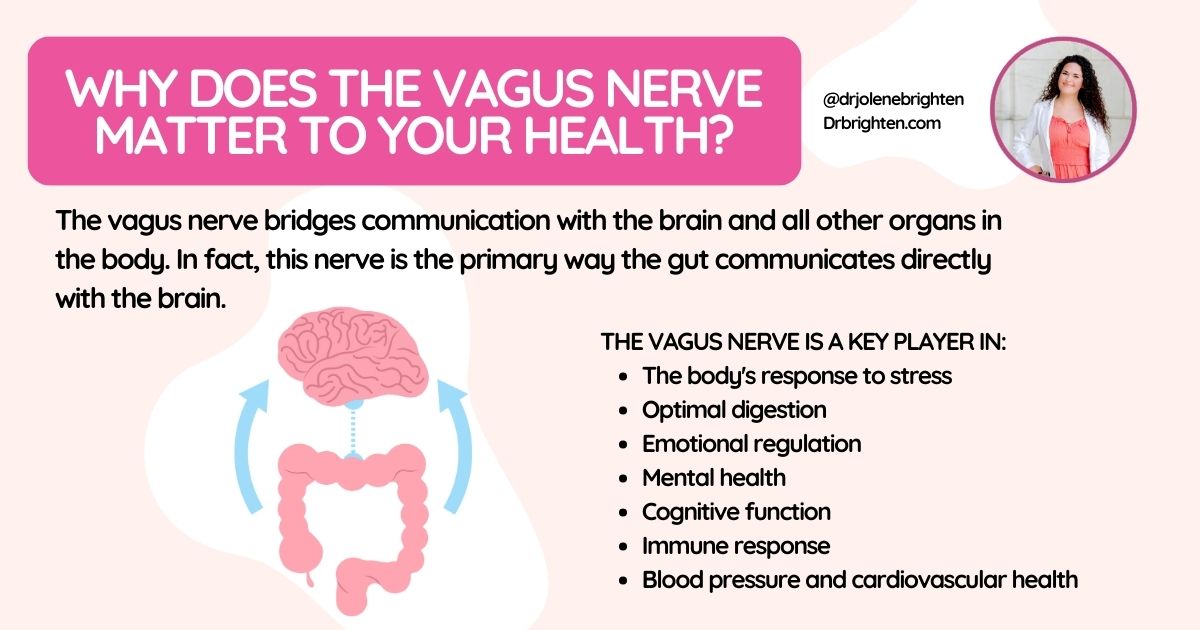
The vagus nerve is the longest of the 12 cranial nerves and is often referred to as the "wandering nerve" due to its extensive reach throughout the body. It connects the brain to various organs, including the heart, lungs, and digestive system, acting as a critical communication highway between the brain and the body. As part of the parasympathetic nervous system, the vagus nerve helps regulate the body’s “rest and digest” response, counterbalancing the “fight or flight” mode triggered by stress.
This nerve plays a vital role in controlling essential functions like heart rate, digestion, and immune responses. Moreover, it influences mood, inflammation, and even neuroplasticity—the brain’s ability to adapt and form new connections. By understanding how to stimulate this nerve, you can harness its power to improve your mental and physical health.
10 Holistic Vagus Nerve Regulation Techniques
Here are some of the most effective and accessible ways to activate your vagus nerve and promote relaxation:
1. Breathwork: Slow, Deep Breathing
One of the quickest and most powerful ways to stimulate the vagus nerve is through controlled breathing. When you're stressed, your breathing tends to become shallow and rapid, which activates the sympathetic nervous system. Conversely, slow, deep breaths—especially those that emphasize a longer exhale—can trigger the parasympathetic response.
Try this: Practice diaphragmatic breathing by inhaling for four counts and exhaling for six. Focus on breathing deeply into your belly rather than your chest. Techniques like box breathing (4-7-8) or alternate nostril breathing can also be beneficial.
2. Singing or Humming

Singing or humming creates vibrations in the throat and vocal cords, which can stimulate the vagus nerve. These activities not only help with relaxation but also promote emotional well-being.
Try this: Hum a tune or sing along to your favorite song. Even a simple hum can have a calming effect. Some studies suggest that humming can increase heart rate variability, a sign of improved vagal tone.
3. Gargling

Gargling water stimulates the vagus nerve by activating the muscles in the back of the throat. This simple exercise can be done quickly and easily at home.
Try this: Take a sip of water and gargle vigorously for 30 seconds to a minute. Make sure the water reaches the back of your throat for maximum benefit.
4. Meditation and Yoga

Meditation and yoga combine mindfulness with deep breathing, making them excellent tools for stimulating the vagus nerve. These practices help reduce stress, improve focus, and enhance emotional regulation.
Try this: Start with short meditation sessions using apps like Headspace or Calm. For yoga, try beginner-friendly routines that focus on breathing and gentle movements.
5. Laughter

Laughter is not just a mood booster—it also activates the vagus nerve. A good laugh engages the abdominal muscles and promotes deep breathing, both of which support vagal function.
Try this: Watch a comedy, share funny stories, or spend time with friends who make you laugh. Even a few minutes of laughter can have a positive impact on your nervous system.
6. Exercise

Regular physical activity improves heart rate variability and supports vagal tone. Endurance training, such as jogging, cycling, or swimming, is particularly effective in stimulating the vagus nerve.
Try this: Aim for 20–30 minutes of moderate exercise daily. Activities like walking or yoga can also provide benefits without requiring intense effort.
7. Cold Water Exposure

Exposure to cold water, such as a cold shower or ice bath, can stimulate the vagus nerve and promote relaxation. This technique is known to lower heart rate and reduce inflammation.
Try this: Start with a brief cold rinse at the end of your shower. Gradually increase the duration as you become more comfortable.
8. Massage
Massage therapy can stimulate the vagus nerve by reducing tension and promoting relaxation. Certain areas, like the neck, shoulders, and feet, are particularly effective.
Try this: Give yourself a short massage on your shoulders or feet. Foot reflexology has been shown to improve vagal tone and reduce blood pressure.
9. Acupuncture

Acupuncture, especially ear acupuncture, targets specific points on the ear that are connected to the vagus nerve. This practice can help reduce stress and improve overall well-being.
Try this: Consult a licensed acupuncturist for sessions that focus on vagal stimulation. This can be a great complement to other relaxation techniques.
10. Chiropractic Care

Chiropractic adjustments can help align the spine and reduce pressure on the vagus nerve. This can lead to improved nervous system function and better stress management.
Try this: Consider regular chiropractic care if you experience chronic stress or tension. A professional can tailor adjustments to your specific needs.
Conclusion
By incorporating these vagus nerve regulation techniques into your daily routine, you can significantly improve your ability to manage stress and enhance your overall health. Whether through simple breathwork, laughter, or more structured practices like yoga and acupuncture, there are numerous ways to support your nervous system naturally. Remember, consistency is key. Over time, these practices can help you build resilience, find inner calm, and live a more balanced life. Start small, stay committed, and watch your well-being transform.

Post a Comment for "Top Vagal Nerve Regulation Techniques for Better Health and Stress Management"
Post a Comment