Top Nervous System Calming Techniques for Stress Relief and Mental Clarity
In today’s fast-paced world, it's easy to feel overwhelmed by stress, anxiety, and emotional reactivity. These symptoms often signal that your nervous system is out of balance. The good news is that there are effective, science-backed techniques to help you recalibrate and restore a sense of calm and clarity. Whether you're dealing with chronic stress, trauma, or simply the daily pressures of life, understanding how to calm your nervous system can transform your well-being. This article explores practical, accessible methods to regulate your nervous system and bring more peace into your life.

Understanding the Nervous System and Its Response to Stress
The human nervous system is a complex network responsible for regulating everything from your heartbeat to your emotional responses. When you encounter stress, your body activates the "fight or flight" response, releasing stress hormones like cortisol and adrenaline. While this reaction is essential for survival in dangerous situations, prolonged exposure to stress can lead to dysregulation—where your body remains in a heightened state of alertness even when there's no real threat.
Symptoms of a dysregulated nervous system include irritability, emotional shutdown, hypervigilance, panic, dissociation, trouble sleeping, and digestive issues. Recognizing these signs is the first step toward healing. By incorporating calming techniques into your daily routine, you can help your nervous system return to a balanced state, promoting mental clarity and emotional resilience.
[IMAGE: Nervous system calming techniques for stress relief]
1. Alternate Nostril Breathing
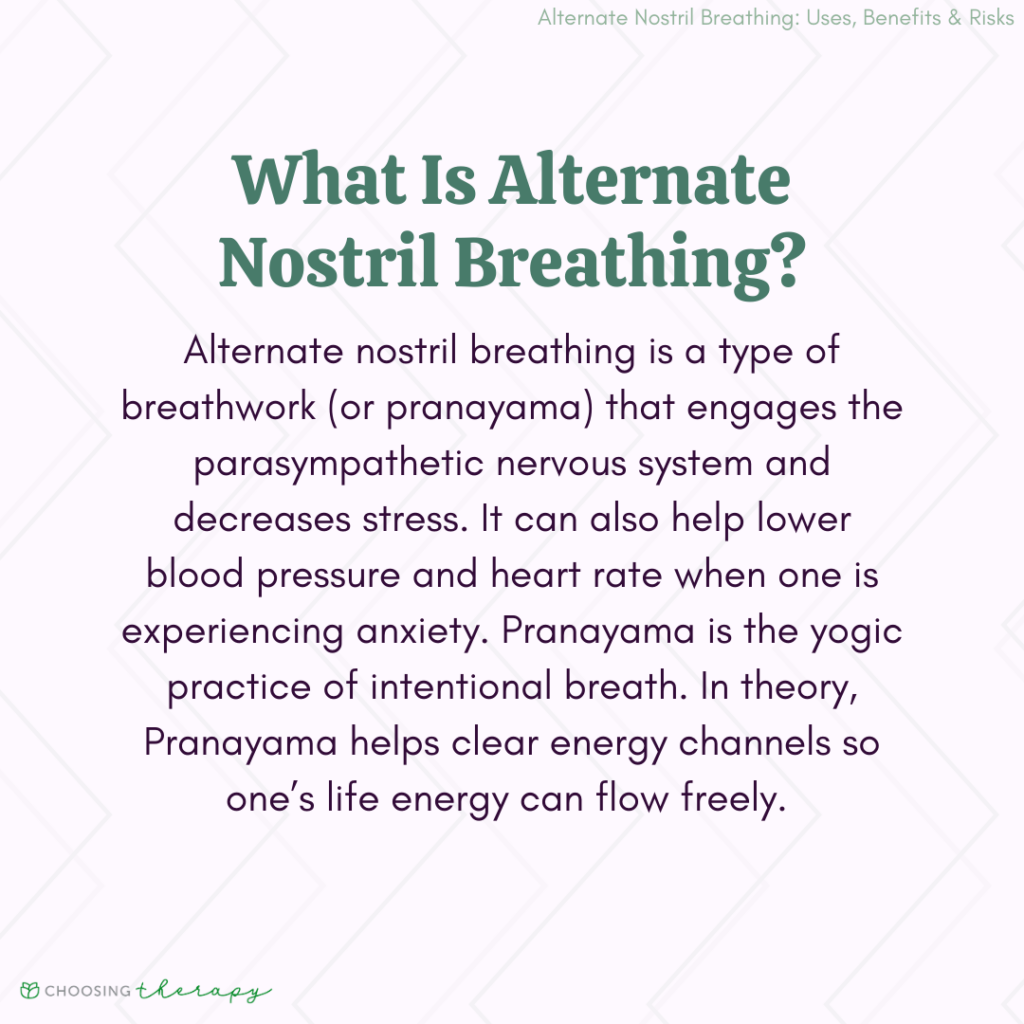
Breathwork is one of the most powerful tools for calming the nervous system. Alternate nostril breathing, also known as Nadi Shodhana, is a simple yet effective technique that helps balance the sympathetic and parasympathetic nervous systems. This practice involves inhaling through one nostril, exhaling through the other, and alternating sides in a rhythmic pattern.
How to do it: - Sit comfortably with your spine straight. - Close your right nostril with your thumb and inhale slowly through your left nostril. - Close your left nostril with your ring finger and exhale through your right nostril. - Inhale through your right nostril, then switch and exhale through the left. - Repeat this cycle for 1–5 minutes.
Studies have shown that alternate nostril breathing increases parasympathetic activity, promoting relaxation and reducing stress. It’s a great way to start or end your day, especially during moments of overwhelm.
2. Cold Exposure

Cold exposure, such as taking a cold shower or splashing cold water on your face, can stimulate the vagus nerve, which plays a key role in regulating the body's relaxation response. This technique helps reduce inflammation and build resilience to stress.
How to incorporate it: - Start with 15 seconds of cold exposure at the end of your regular shower. - Gradually increase the duration as your body adapts.
Research has found that cold exposure can activate the vagus nerve and inhibit the hypothalamic-pituitary-adrenal (HPA) axis, leading to reduced stress responses. This method is particularly useful for those who experience chronic stress or burnout.
3. Yoga Nidra or NSDR
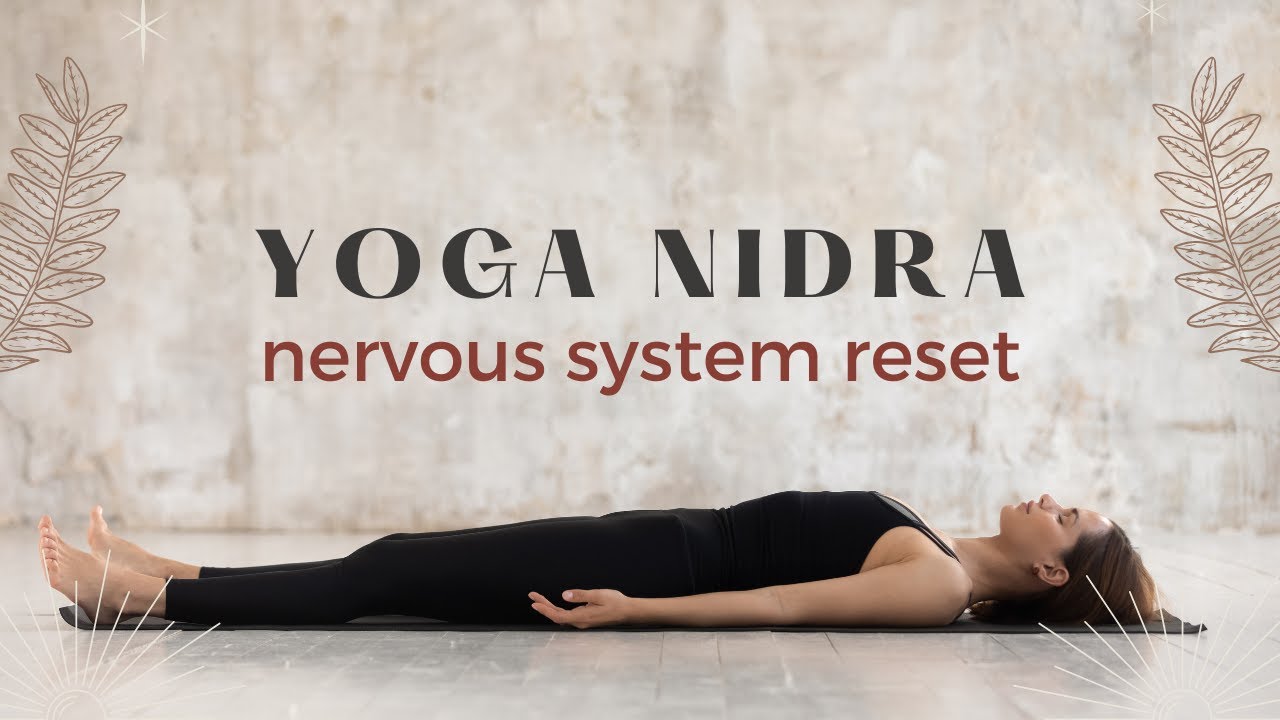
Yoga Nidra, also known as "yogic sleep," is a guided meditation practice that induces a deep state of relaxation. Similarly, Non-Sleep Deep Rest (NSDR), popularized by Dr. Andrew Huberman, offers a scientifically backed approach to rest without falling asleep.
How to try it: - Find a quiet, comfortable space. - Lie down and focus on your breath. - Follow a guided session for 10–30 minutes.
Both practices help reset the nervous system by promoting theta brainwaves, which are associated with deep relaxation. Studies have shown that these techniques can reduce symptoms of anxiety and depression, making them valuable tools for anyone seeking mental clarity.
4. Optimize Light Exposure

Light exposure significantly influences your circadian rhythm, which in turn affects your mood, energy levels, and overall nervous system health. Getting natural light in the morning and limiting screen time before bed can help regulate your internal clock.
Tips for better light exposure: - Get sunlight in your eyes within 30 minutes of waking up. - Avoid bright screens two hours before bedtime.
Research highlights the importance of proper light exposure in maintaining healthy sleep patterns and emotional balance. Making small changes to your light habits can have a big impact on your nervous system.
5. Grounding Techniques

Grounding techniques help reconnect you with the present moment and your physical body, which is especially helpful when feeling disconnected or overwhelmed. Walking barefoot on natural surfaces, dancing, stretching, or practicing tai chi can all be grounding activities.
Simple grounding exercises: - Walk barefoot on grass or soil for a few minutes. - Shake your arms or legs to release tension. - Practice slow, mindful movements like tai chi.
Studies suggest that grounding can reduce inflammation, improve mood, and support the central nervous system. These techniques are ideal for integrating into your daily routine.
6. Limit Caffeine and Alcohol

Caffeine and alcohol can disrupt your nervous system, causing spikes and crashes in energy and mood. If you're already experiencing stress or emotional reactivity, limiting these substances can make a significant difference.
What to do: - Try eliminating caffeine and alcohol for a week to notice any changes. - Replace them with herbal teas or water.
Research indicates that both substances can trigger neurological dysfunction, emphasizing the need to moderate their intake. Making conscious choices about what you consume can support long-term nervous system health.
7. Use Adaptogenic Herbs

Adaptogens like Kanna (Sceletium tortuosum) can support the nervous system by helping the body manage stress. These herbs work by modulating neurotransmitters and stress hormones, offering a natural way to promote balance.
How to use adaptogens: - Consult with a healthcare professional before starting any new supplement. - Choose high-quality products from reputable sources.
Studies show that adaptogens may enhance resilience to stress and improve emotional regulation. They can be a valuable addition to your nervous system calming toolkit.
8. Prioritize Deep Sleep

Deep sleep is crucial for nervous system recovery. During this stage, your body repairs itself and resets its stress response. Creating a sleep-friendly environment can greatly improve your ability to rest deeply.
Tips for better sleep: - Keep your bedroom cool, dark, and quiet. - Avoid screens before bed. - Consider using the Huberman Sleep Cocktail for added support.
Research shows that sleep plays a vital role in brain function and emotional stability. Prioritizing rest can have a profound impact on your overall well-being.
9. Journal or Express What’s Unsaid
Holding onto emotions can lead to physical and emotional dysregulation. Journaling or recording voice memos can help release pent-up feelings and bring a sense of closure.
How to journal effectively: - Write a few lines each night about your day. - Record a voice memo to process your thoughts.
Studies have found that positive affect journaling can reduce mental distress and improve well-being. This simple practice can be a powerful tool for emotional regulation.
10. Let the Reset Happen Naturally
Finally, remember that your nervous system heals through consistency and safety, not force. Practicing self-compassion, setting boundaries, and creating a supportive environment can help your body feel safe again.
Key takeaways: - Be patient with yourself. - Focus on small, consistent actions. - Trust your body’s natural ability to heal.
By embracing these techniques and making them part of your daily routine, you can create lasting change in your nervous system. Over time, you'll notice a greater sense of calm, clarity, and resilience in your life.
[IMAGE: Nervous system calming techniques for stress relief]

Post a Comment for "Top Nervous System Calming Techniques for Stress Relief and Mental Clarity"
Post a Comment