Top 10 Vagal Tone Improvement Methods for Better Health and Stress Relief
The vagus nerve, often referred to as the "wandering nerve," is one of the most critical components of the autonomic nervous system. It connects the brain to various organs, including the heart, lungs, and digestive tract, playing a vital role in regulating bodily functions such as heart rate, digestion, and stress responses. Improving your vagal tone can lead to better emotional regulation, reduced anxiety, and enhanced overall well-being. In this article, we’ll explore the top 10 methods to improve vagal tone, helping you achieve a more balanced and relaxed state of mind.

Understanding Vagal Tone

Vagal tone refers to the activity of the vagus nerve, which is responsible for the body’s “rest and digest” response. A higher vagal tone means the body can recover more quickly from stress, while a lower tone may contribute to chronic stress, anxiety, and even digestive issues. The vagus nerve also plays a key role in the polyvagal theory, which explains how the nervous system responds to safety, danger, and social engagement.
Improving vagal tone isn’t just about reducing stress—it’s about enhancing your body’s ability to regulate itself. This can lead to better sleep, improved mood, and a stronger immune system. Let’s dive into the most effective ways to boost your vagal tone.
1. Deep Breathing Exercises

One of the simplest and most effective ways to stimulate the vagus nerve is through deep breathing. Techniques like diaphragmatic breathing—where you breathe deeply into your belly rather than your chest—can activate the parasympathetic nervous system, promoting relaxation.
To practice: - Sit or lie down in a comfortable position. - Place one hand on your chest and the other on your belly. - Inhale slowly through your nose for 4 seconds, allowing your belly to rise. - Exhale slowly through your mouth for 6 seconds. - Repeat this cycle for several minutes.
This technique helps slow your heart rate, reduce blood pressure, and promote a sense of calm. Over time, it can significantly improve your vagal tone.
2. Humming, Singing, and Gargling

Vibrations from sounds like humming, singing, or gargling can stimulate the vagus nerve. These activities engage the muscles in the throat, which are connected to the vagus nerve, helping to enhance its function.
Try these: - Hum a simple note for a few minutes each day. - Sing a favorite song or chant a mantra. - Gargle with water for 30 seconds to a minute.
These practices not only improve vagal tone but also promote mindfulness and relaxation.
3. Cold Exposure

Exposure to cold, such as taking a cold shower or splashing cold water on your face, can activate the vagus nerve. This is due to the mammalian diving reflex, which triggers a calming response in the body.
Tips for cold exposure: - Start with short bursts of cold water on your face or neck. - Gradually increase the duration as you become more comfortable. - Use a cold pack on your neck or chest for additional stimulation.
Cold exposure has been shown to improve heart rate variability and reduce stress levels.
4. Physical Exercise
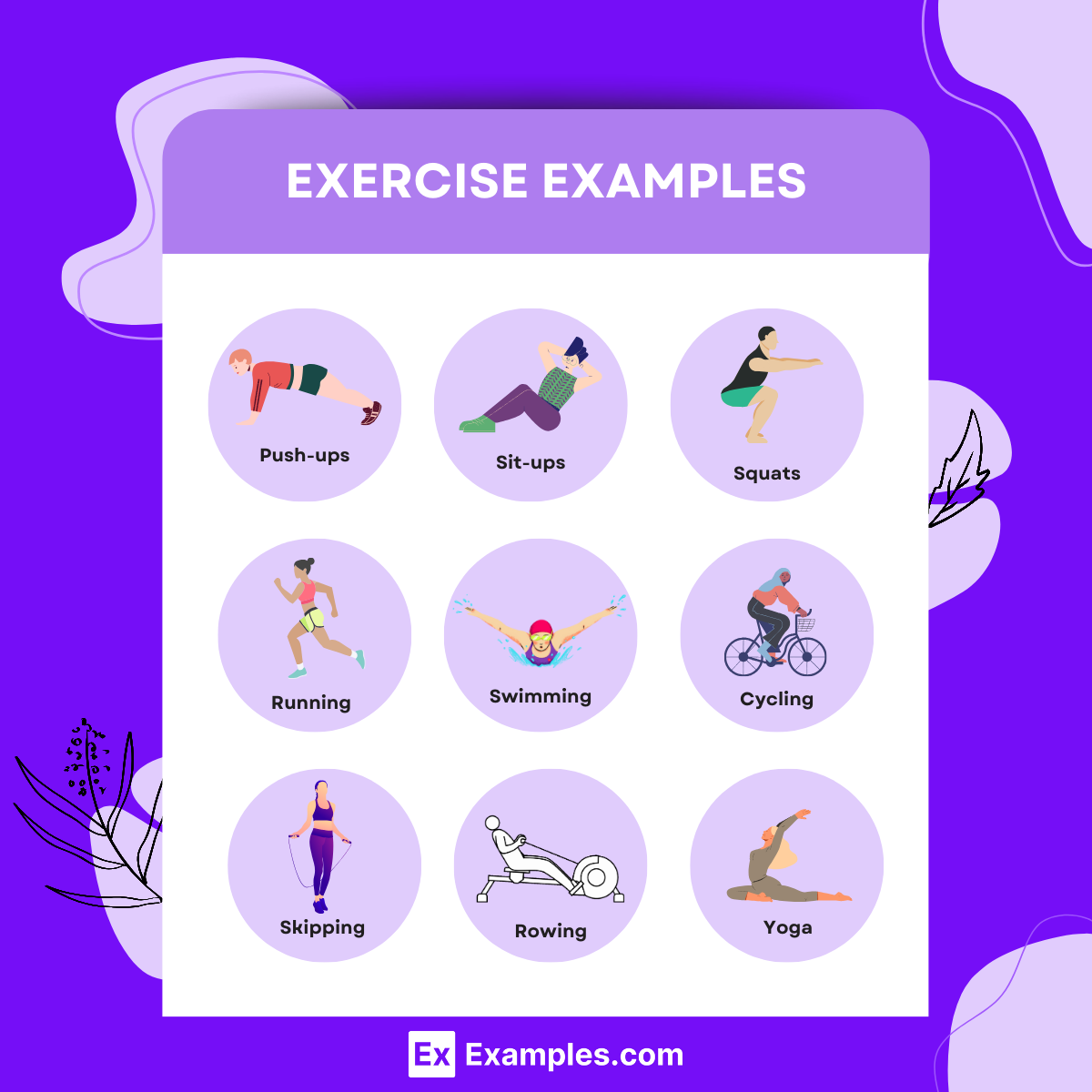
Regular physical activity, especially aerobic exercises like walking, cycling, or swimming, can enhance vagal tone. Exercise promotes the release of endorphins and other feel-good chemicals that support mental health and reduce stress.
Key benefits of exercise: - Increases heart rate variability - Reduces inflammation - Boosts mood and energy levels
Even short workouts can have a positive impact on vagal tone, making it an accessible method for improving overall well-being.
5. Yoga and Meditation
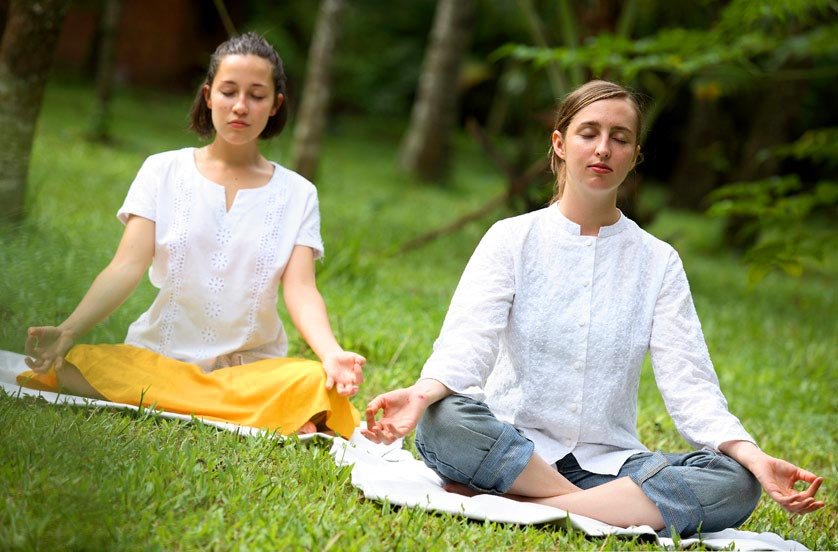
Yoga and meditation combine physical movement with focused breathing, making them excellent tools for improving vagal tone. These practices help activate the parasympathetic nervous system, promoting relaxation and mental clarity.
Try incorporating: - Mindfulness meditation for 10–15 minutes daily. - Gentle yoga poses like child’s pose or forward folds. - Breathing techniques such as alternate nostril breathing.
These practices not only enhance vagal tone but also support emotional resilience and stress management.
6. Massage Therapy
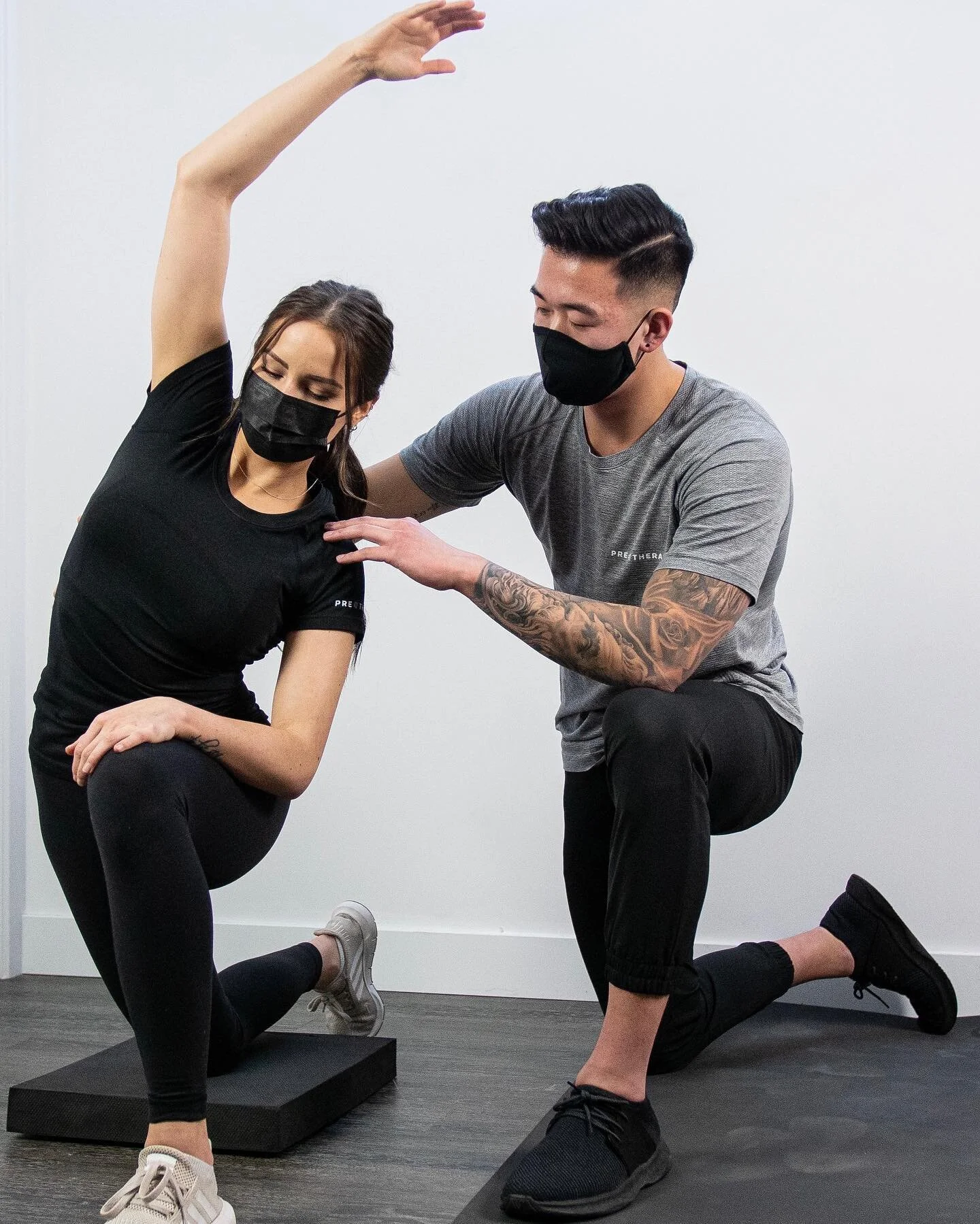
Massage therapy can stimulate the vagus nerve by reducing physical tension and promoting relaxation. Studies have shown that massaging the head, neck, and feet can improve vagal tone and enhance the body’s ability to recover from stress.
Benefits of massage: - Reduces muscle tension - Promotes circulation - Enhances mental well-being
Whether you choose a professional massage or use self-massage techniques, this method can be a valuable addition to your wellness routine.
7. Probiotics and Gut Health

The gut-brain axis is closely linked to the vagus nerve, and maintaining a healthy gut microbiome can support vagal function. Probiotics, found in foods like yogurt, kefir, and fermented vegetables, can improve digestion and promote a balanced nervous system.
Tips for gut health: - Incorporate probiotic-rich foods into your diet. - Stay hydrated and eat a variety of whole foods. - Consider supplements if needed, but consult with a healthcare provider first.
A healthy gut can lead to better emotional regulation and overall well-being.
8. Laughter and Social Connection

Laughter and social interaction can stimulate the vagus nerve and promote feelings of joy and connection. Engaging in activities that make you laugh or connect with others can enhance vagal tone and reduce stress.
Ways to incorporate laughter: - Watch a comedy show or funny video. - Spend time with friends or family. - Join a laughter yoga group.
Social connections also activate the parasympathetic nervous system, helping you feel more at ease and grounded.
9. Mindfulness and Visualization
Mindfulness practices, such as visualization and guided imagery, can help activate the vagus nerve by promoting relaxation and mental focus. These techniques encourage you to stay present and reduce anxious thoughts.
Try these: - Visualize a peaceful scene or place. - Practice guided breathing while focusing on a calming image. - Use affirmations to reinforce positive emotions.
Mindfulness can be a powerful tool for improving vagal tone and emotional resilience.
10. Acupuncture and Other Alternative Therapies

Acupuncture, along with other alternative therapies like tai chi and qigong, can stimulate the vagus nerve and improve overall well-being. These practices work by balancing the body’s energy and promoting relaxation.
Consider trying: - Acupuncture sessions to target specific points on the body. - Tai chi or qigong for gentle, flowing movements. - Reflexology to stimulate nerve pathways.
These therapies can be particularly beneficial for those looking for natural ways to enhance vagal tone and manage stress.
Conclusion
Improving your vagal tone is a powerful way to enhance your physical and mental health. By incorporating practices like deep breathing, cold exposure, yoga, and mindfulness into your daily routine, you can support your body’s natural ability to relax and recover. Whether you’re dealing with stress, anxiety, or simply looking to feel more balanced, these methods offer practical and effective solutions.
Remember, consistency is key. While some techniques may take time to show results, the long-term benefits of improved vagal tone are well worth the effort. As you begin to integrate these practices into your life, you’ll likely notice a greater sense of calm, clarity, and well-being. Take the first step today and discover the transformative power of a healthier vagus nerve.

Post a Comment for "Top 10 Vagal Tone Improvement Methods for Better Health and Stress Relief"
Post a Comment