The Ultimate Guide to Vagal Nerve Activation Exercises for Stress Relief and Wellness
In today’s fast-paced world, stress is an unavoidable part of life. Whether it's work deadlines, personal conflicts, or the constant buzz of technology, our bodies are often in a state of high alert. But what if there was a natural way to reset your nervous system and bring your body back to a state of calm? Enter the vagus nerve—your body’s internal “brake pedal” that helps regulate stress and promote relaxation. In this guide, we’ll explore how to activate the vagus nerve through simple, effective exercises that can help you manage stress, improve mental clarity, and enhance overall well-being.

What Is the Vagus Nerve?
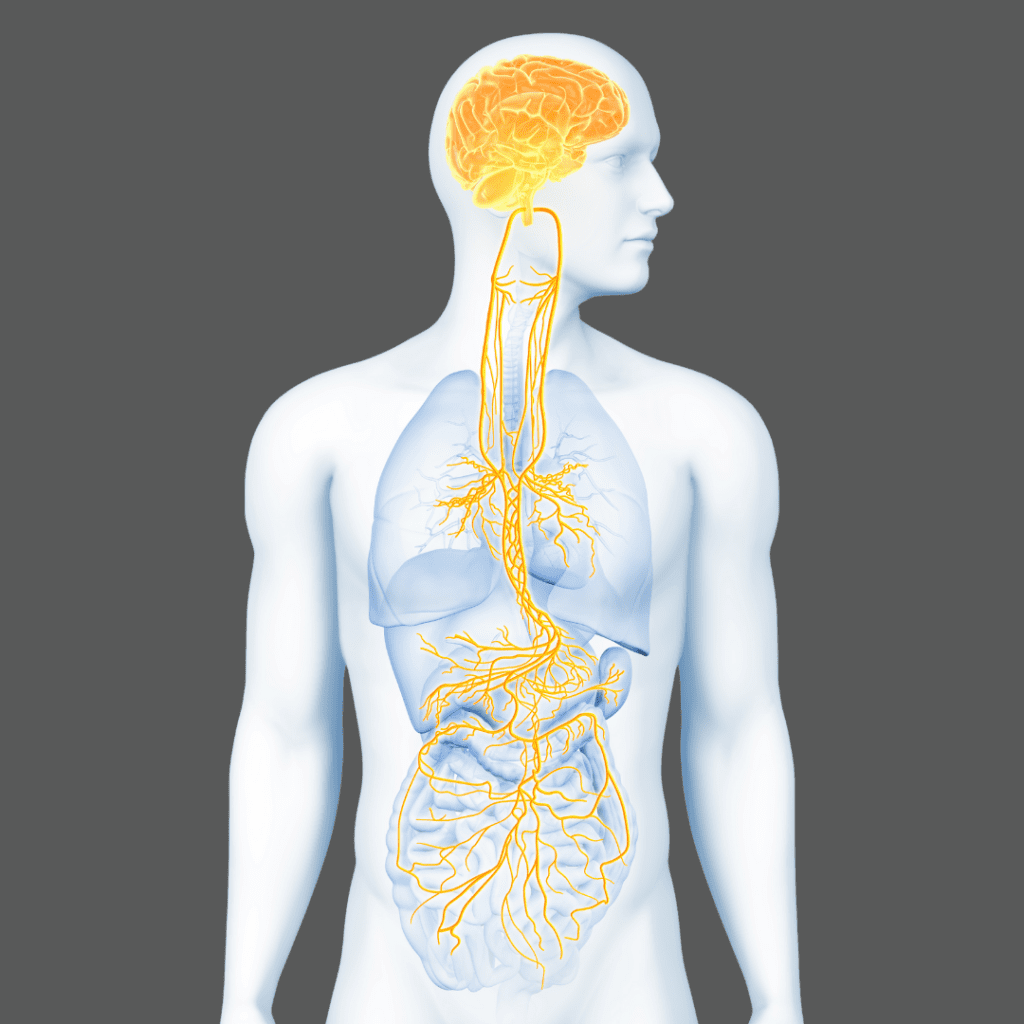
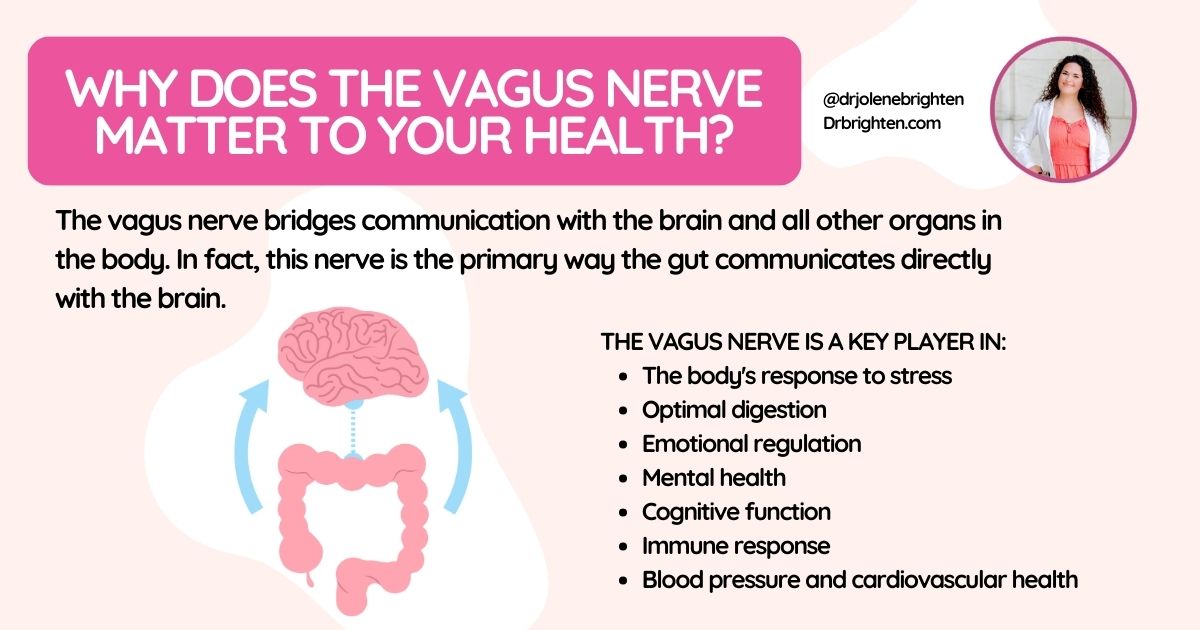
The vagus nerve is the longest cranial nerve in the body, stretching from the brainstem down through the neck, chest, and into the abdomen. It plays a crucial role in the parasympathetic nervous system, which is responsible for the body’s “rest and digest” functions. When activated, the vagus nerve helps slow the heart rate, lower blood pressure, and promote digestion—essentially signaling to the body that it’s safe and relaxed.
This nerve acts as a communication highway between the brain and various organs, including the heart, lungs, and digestive tract. Its primary function is to counterbalance the “fight-or-flight” response triggered by the sympathetic nervous system. By stimulating the vagus nerve, you can help your body transition from a stressed state to a more balanced, calm one.
Why Vagal Nerve Activation Matters

When the vagus nerve isn’t functioning optimally, it can lead to chronic stress, anxiety, and even physical health issues like high blood pressure and digestive problems. A strong vagal tone—meaning the vagus nerve is responsive and active—can help you recover faster from stress, regulate emotions, and maintain better overall health.
Research has shown that people with higher vagal tone tend to have better emotional regulation, lower levels of inflammation, and improved cognitive function. On the flip side, low vagal tone is linked to conditions such as depression, anxiety, and even heart disease. This makes vagus nerve activation not just a tool for stress relief, but a key component of long-term wellness.
12 Effective Vagal Nerve Activation Exercises
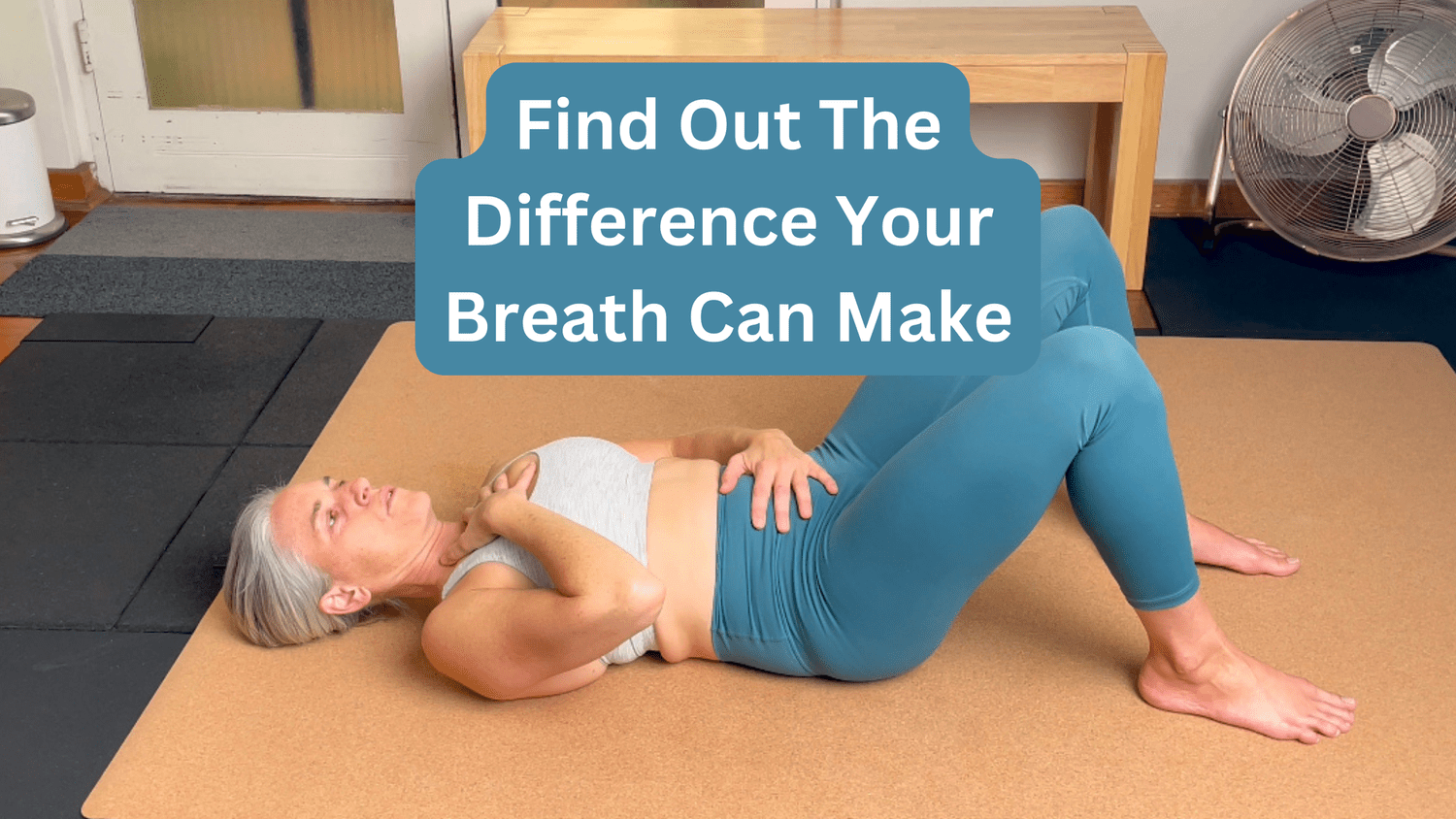
There are numerous ways to stimulate the vagus nerve, many of which are simple, accessible, and can be done anywhere. Here are 12 science-backed techniques to help you activate your vagus nerve and reduce stress:
1. Deep Diaphragmatic Breathing
Deep breathing is one of the most effective ways to activate the vagus nerve. Focus on slow, deep breaths that engage your diaphragm rather than shallow chest breathing. Inhale through your nose for a count of four, hold for a second, and exhale through your mouth for a count of six or eight. This technique helps signal the body to relax and reduces stress.
Best For: Daily stress management and immediate anxiety relief
Safety: Generally safe for everyone; stop if you feel dizzy
2. Cold-Water Face Immersion
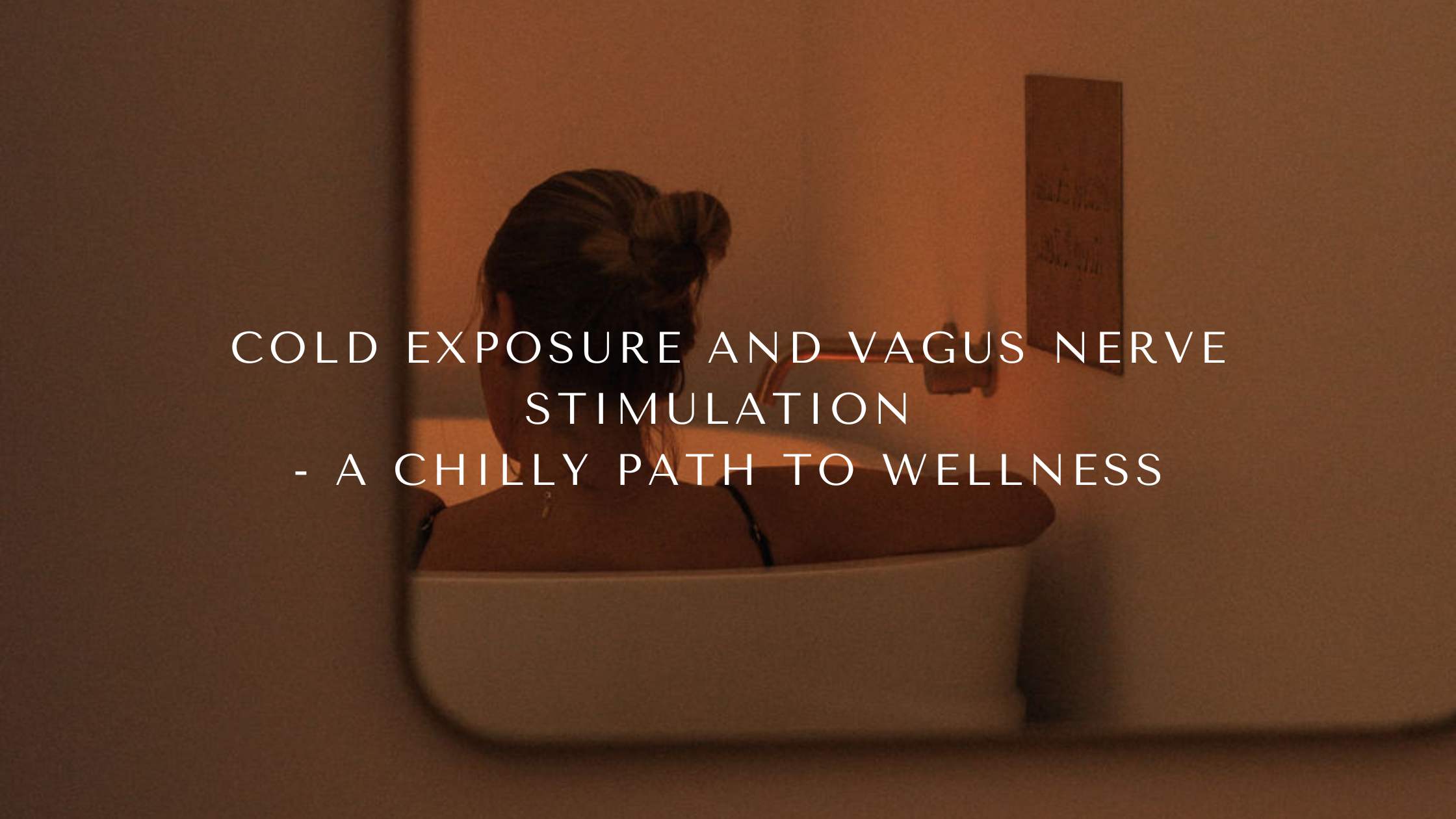
Dipping your face in cold water triggers the diving reflex, which slows your heart rate and activates the vagus nerve. Even a quick splash of cold water on your face can help you feel calmer and more centered.
Best For: Panic attack relief
Safety: Avoid extreme temperatures; not suitable for those with heart conditions
3. Humming and Singing

Humming or singing creates vibrations that stimulate the vagus nerve. These sounds also promote relaxation and can help shift your body into a more balanced state. Try humming for a few minutes each day, focusing on the sensation of the vibration in your chest and throat.
Best For: Daily stress management
Safety: No restrictions
4. 4-7-8 Breathing

This breathing technique involves inhaling for four seconds, holding your breath for seven, and exhaling for eight. The longer exhalation activates the vagus nerve and helps regulate the nervous system. It’s particularly useful when your mind feels overwhelmed.
Best For: Daily practice to build vagal tone
Safety: Stop if you feel lightheaded
5. OM Chanting

Chanting “OM” produces deep, resonant vibrations that stimulate the vagus nerve. This practice is often used in yoga and meditation to promote relaxation and mental clarity. Spend a few minutes chanting, focusing on the sound and the feeling in your body.
Best For: Daily nervous system regulation
Safety: No restrictions
6. Orienting to Safety

Take a moment to look around your environment and focus on things that feel safe and comforting. This practice helps shift your nervous system from a state of threat to one of safety. Pay attention to sights, sounds, and sensations that ground you in the present moment.
Best For: Immediate anxiety relief
Safety: No restrictions
7. Side Eye Movement

Moving your eyes from side to side can stimulate the vagus nerve. This simple eye movement sends signals to the nerve, helping to reset your nervous system and promote relaxation. Try moving your gaze left and right for a few seconds whenever you feel stressed.
Best For: Immediate relief during stressful moments
Safety: Not suitable for those with severe eye complications
8. Gentle Massage
Massaging specific areas of the body, such as the ears or neck, can stimulate the vagus nerve. This practice promotes relaxation and helps reduce tension in both the body and mind. Use gentle, circular motions to encourage a sense of calm.
Best For: Long-term resilience and daily relaxation
Safety: Avoid if you have ear infections or other ear-related issues
9. Moderate Exercise

Physical activity stimulates the vagus nerve and helps activate the parasympathetic nervous system. Aim for at least 150 minutes of moderate exercise per week, such as walking, cycling, or swimming. Regular movement can improve vagal tone and support overall mental health.
Best For: Long-term anxiety resilience
Safety: Consult a doctor before starting a new exercise routine
10. Safe Place Guided Meditation

Guided meditation focused on visualizing a safe, peaceful place can activate the vagus nerve and reduce stress. This practice helps shift your mind away from worry and into a state of calm. Find a quiet space and follow along with a guided meditation to experience its benefits.
Best For: Preparing for stressful situations
Safety: Avoid while driving or operating machinery
11. Yoga (Twists & Forward Folds)

Yoga, especially styles that involve gentle movement and breathwork, can help activate the vagus nerve. Twists and forward folds are particularly effective for stimulating the nerve and promoting relaxation. Practice regularly to build resilience and reduce stress.
Best For: Daily nervous system regulation
Safety: Listen to your body and avoid forced poses
12. Controlled Laughter

Laughter naturally engages the muscles and breath patterns that stimulate the vagus nerve. Even intentional laughter can help reduce stress and promote a sense of calm. Watch a funny video or share a laugh with friends to enjoy the benefits.
Best For: Immediate anxiety relief
Safety: No restrictions
Conclusion
Activating the vagus nerve is a powerful way to manage stress, improve emotional regulation, and enhance overall well-being. By incorporating these simple exercises into your daily routine, you can create a stronger connection between your mind and body, leading to greater calm and resilience. Whether it’s through deep breathing, cold exposure, or gentle movement, the key is consistency and mindfulness. Remember, your body is capable of healing itself—and the vagus nerve is one of its most valuable tools in that process. Start small, stay committed, and watch your stress levels decrease over time.

Post a Comment for "The Ultimate Guide to Vagal Nerve Activation Exercises for Stress Relief and Wellness"
Post a Comment