The Ultimate Guide to Vagal Nerve Stimulation Exercises for Better Health
If you’ve ever felt overwhelmed by stress or struggled with anxiety, you’re not alone. Your body has a built-in mechanism to help you feel calm and grounded—your vagus nerve. This long, winding nerve plays a crucial role in regulating your nervous system, helping you transition from a state of stress to one of relaxation. But how can you harness its power? The answer lies in vagal nerve stimulation exercises.
This guide will walk you through the science behind the vagus nerve, explain why it matters, and provide actionable techniques to improve your well-being. Whether you're looking to reduce anxiety, boost mood, or simply feel more at ease, these exercises can make a real difference.
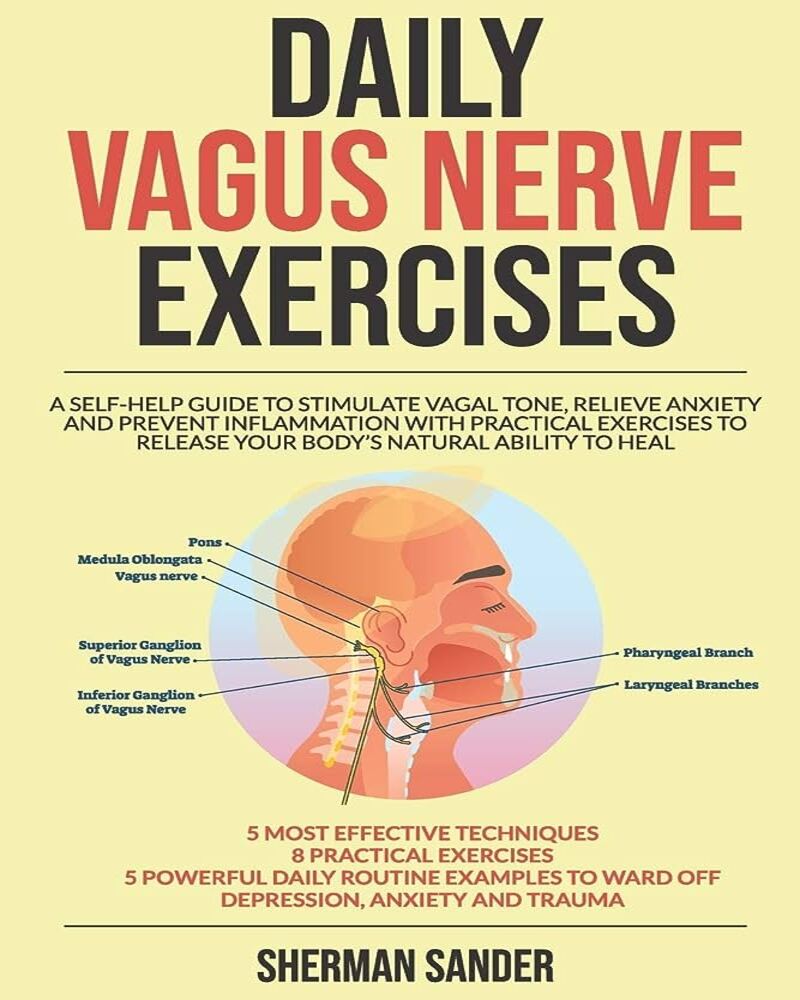
What Is the Vagus Nerve?
The vagus nerve is the longest cranial nerve in the body, stretching from the brainstem down through the neck, chest, and abdomen. It’s part of the parasympathetic nervous system, often called the “rest and digest” system. While the sympathetic nervous system handles the “fight-or-flight” response, the vagus nerve helps your body return to a state of calm.
It connects to many vital organs, including the heart, lungs, and digestive tract, and plays a key role in regulating heart rate, digestion, and even emotional responses. When your vagus nerve functions well, you feel more relaxed, focused, and emotionally balanced. But when it’s underactive—known as low vagal tone—you may experience chronic stress, anxiety, or difficulty recovering from stressful events.
Why Vagal Nerve Stimulation Matters
Stimulating the vagus nerve can help regulate your nervous system, reduce inflammation, and improve mental clarity. Research shows that practices like deep breathing, humming, and cold exposure can enhance vagal tone, leading to long-term benefits such as:
- Reduced anxiety
- Improved mood
- Better digestion
- Lower heart rate
- Enhanced sleep quality
By incorporating simple, daily exercises into your routine, you can strengthen this critical nerve and support your overall health.
[IMAGE: Vagal nerve stimulation exercises for better health]
8 Effective Vagal Nerve Stimulation Exercises
Here are some of the most effective and accessible ways to stimulate your vagus nerve:
1. Paced Exhale Breathing
One of the simplest and most powerful ways to activate your vagus nerve is through paced exhale breathing. This technique involves making your exhale longer than your inhale, which signals your body to relax.
How to do it:
Breathe in for four seconds, then exhale for six. Repeat for a few minutes. You can do this while waiting in line, before bed, or during a break at work.
Why it works:
A longer exhale activates the parasympathetic nervous system, slowing your heart rate and promoting relaxation.
2. Diaphragmatic (Belly) Breathing
Also known as belly breathing, this technique focuses on deep, slow breaths that engage your diaphragm rather than shallow chest breathing.
How to do it:
Lie on your back and place a book on your belly. Breathe in deeply so the book rises, then exhale slowly. Focus on the movement of your abdomen.
Why it works:
Deep breathing stimulates the vagus nerve, improves digestion, and reduces stress.
3. Physiological Sigh
A physiological sigh is a natural breathing pattern that helps release tension. It involves taking a full inhale, followed by a small top-up breath, and then a long, slow exhale.
How to do it:
Inhale deeply, then take a quick second inhale, and exhale slowly. Repeat 3–5 times when feeling stressed or overwhelmed.
Why it works:
This technique mimics the body’s natural way of calming itself after a stressful event.
4. Humming, Chanting, or Singing
Making sounds like humming, chanting, or singing creates vibrations in your throat and chest that stimulate the vagus nerve.
How to do it:
Hum softly while exhaling, chant a mantra, or sing along to music. Try humming for 5–10 minutes daily.
Why it works:
These sounds activate the vagus nerve through vibration, promoting relaxation and reducing anxiety.
[IMAGE: Vagal nerve stimulation exercises for better health]
4-7-8 Breathing Technique
This method combines breath control with counting to help regulate your nervous system.
How to do it:
Inhale for 4 seconds, hold your breath for 7 seconds, and exhale for 8 seconds. Repeat for several cycles.
Why it works:
The extended exhale triggers the vagus nerve, encouraging a deeper state of relaxation.
Cold Exposure
Exposing your face to cold water or ice can trigger the diving reflex, which slows your heart rate and activates the vagus nerve.
How to do it:
Splash cold water on your face, use an ice pack, or submerge your face in a bowl of ice water for 30 seconds.
Why it works:
Cold exposure stimulates the vagus nerve, helping you return to a calm state quickly.
Gentle Massage
Massaging specific areas of the body, such as the ears or neck, can also stimulate the vagus nerve.
How to do it:
Gently massage the hollow area of your upper ear (cymba concha) for about a minute. You can also try a full-body massage.
Why it works:
Massage promotes relaxation and activates the parasympathetic nervous system.
Final Thoughts
Your vagus nerve is a powerful tool for managing stress, improving mood, and enhancing overall well-being. By incorporating simple exercises like deep breathing, humming, and cold exposure into your daily routine, you can strengthen this vital nerve and enjoy lasting benefits.
Remember, consistency is key. These practices don’t work overnight, but with regular effort, you’ll begin to notice a shift in your ability to stay calm, focused, and resilient. Whether you’re dealing with anxiety, fatigue, or just seeking a greater sense of balance, vagal nerve stimulation exercises offer a natural and effective path to better health.
[IMAGE: Vagal nerve stimulation exercises for better health]

Post a Comment for "The Ultimate Guide to Vagal Nerve Stimulation Exercises for Better Health"
Post a Comment