The Ultimate Guide to Vagal Nerve Toning Exercises for Better Health
If you’ve ever felt overwhelmed by stress, anxious in social situations, or struggled with sleep, you’re not alone. These feelings are often linked to the health of your vagus nerve—a vital part of your nervous system that regulates everything from heart rate to digestion. The good news is that there are simple, natural ways to tone and stimulate this nerve, helping you feel calmer, more focused, and better overall. In this guide, we’ll explore the science behind vagal nerve toning and provide actionable exercises you can try today.

What Is the Vagus Nerve?
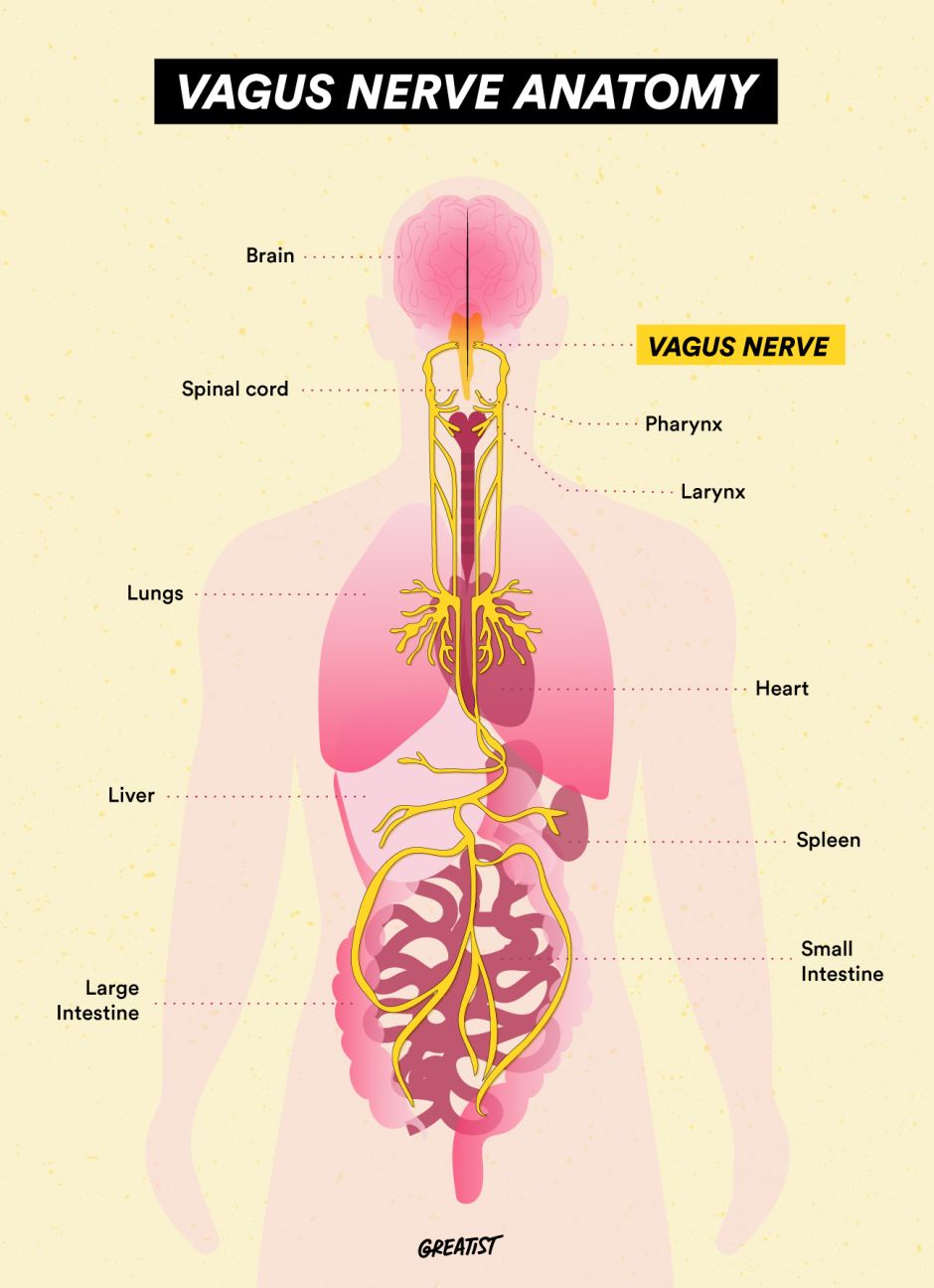
The vagus nerve is the longest cranial nerve in your body, running from your brainstem down through your neck, chest, and abdomen. It plays a crucial role in the parasympathetic nervous system, which is responsible for your body’s “rest and digest” functions. This means it helps regulate heart rate, breathing, digestion, and even mood.
When your vagus nerve is functioning well, it sends signals that help your body stay calm and relaxed. However, if it’s underactive or overstimulated, you may experience symptoms like anxiety, digestive issues, fatigue, or difficulty sleeping. Fortunately, there are ways to improve its function through simple, everyday practices.
Why Vagal Nerve Toning Matters

Low vagal tone—when the vagus nerve isn’t functioning optimally—can lead to chronic stress, poor emotional regulation, and even physical health issues. Research has shown that improving vagal tone can reduce anxiety, lower blood pressure, enhance digestion, and improve overall well-being.
In fact, studies have found that techniques like deep breathing, humming, and yoga can significantly boost vagal activity. By incorporating these practices into your daily routine, you can support your body’s natural ability to relax and recover.
8 Effective Vagal Nerve Toning Exercises

Here are eight science-backed exercises to help you tone your vagus nerve and promote a sense of calm:
1. Paced Exhale Breathing
This technique involves making your exhale longer than your inhale, which signals your nervous system to relax. Try this:
- Inhale for four seconds.
- Exhale for six seconds.
Repeat this for a few minutes whenever you feel stressed or anxious. You can do this while waiting in line, during a break at work, or before bed.
2. Diaphragmatic (Belly) Breathing
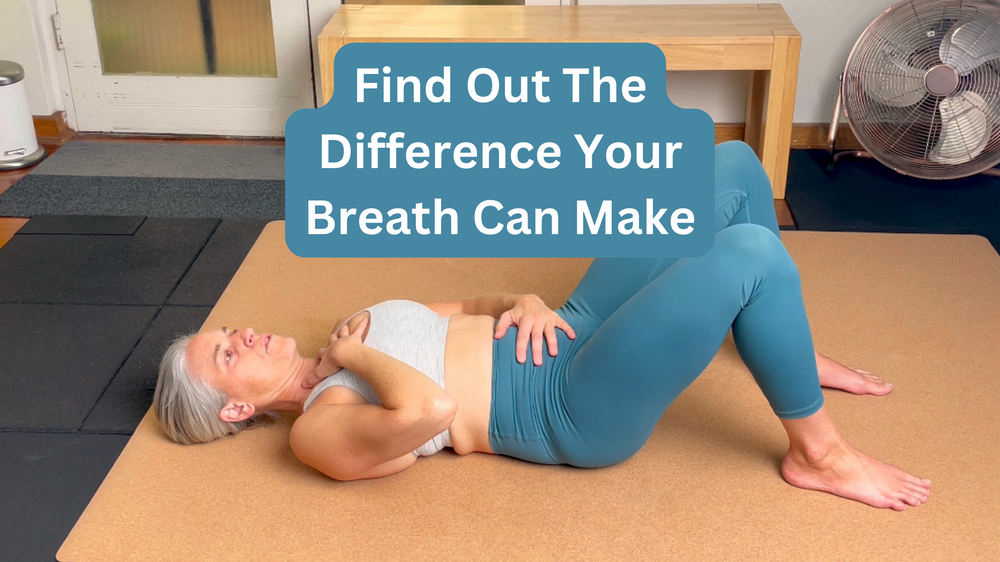
Deep belly breathing engages your diaphragm, which stimulates the vagus nerve. To practice:
- Lie on your back with a book or folded towel on your belly.
- Breathe in deeply, allowing the object to rise.
- Exhale slowly, letting it fall.
This exercise helps improve digestion, reduce stress, and prepare your body for restful sleep.
3. Physiological Sigh

A physiological sigh is a natural breathing pattern that helps release tension. Try this:
- Take a full inhale, then add a small top-up breath.
- Let out a long, slow exhale.
Repeat this three to five times when you feel overwhelmed or frustrated.
4. Humming, Chanting, or Singing

Making steady sounds like humming or chanting creates vibrations that stimulate the vagus nerve. Try:
- Humming while exhaling.
- Chanting a calming phrase.
- Singing along to music.
These activities can help you feel more grounded and relaxed.
5. Cold Exposure

Cold exposure, such as splashing cold water on your face or taking a brief cold shower, can activate your body’s calming response. This helps slow your heart rate and redirect blood flow to your brain, promoting a sense of calm.
6. Massage
Gentle massage, especially around the ears, neck, and feet, can stimulate the vagus nerve and encourage relaxation. Try:
- Massaging the hollow in the upper part of your ear.
- Gently rotating your ankles.
- Pressing along the arch of your foot.
7. Yoga and Movement
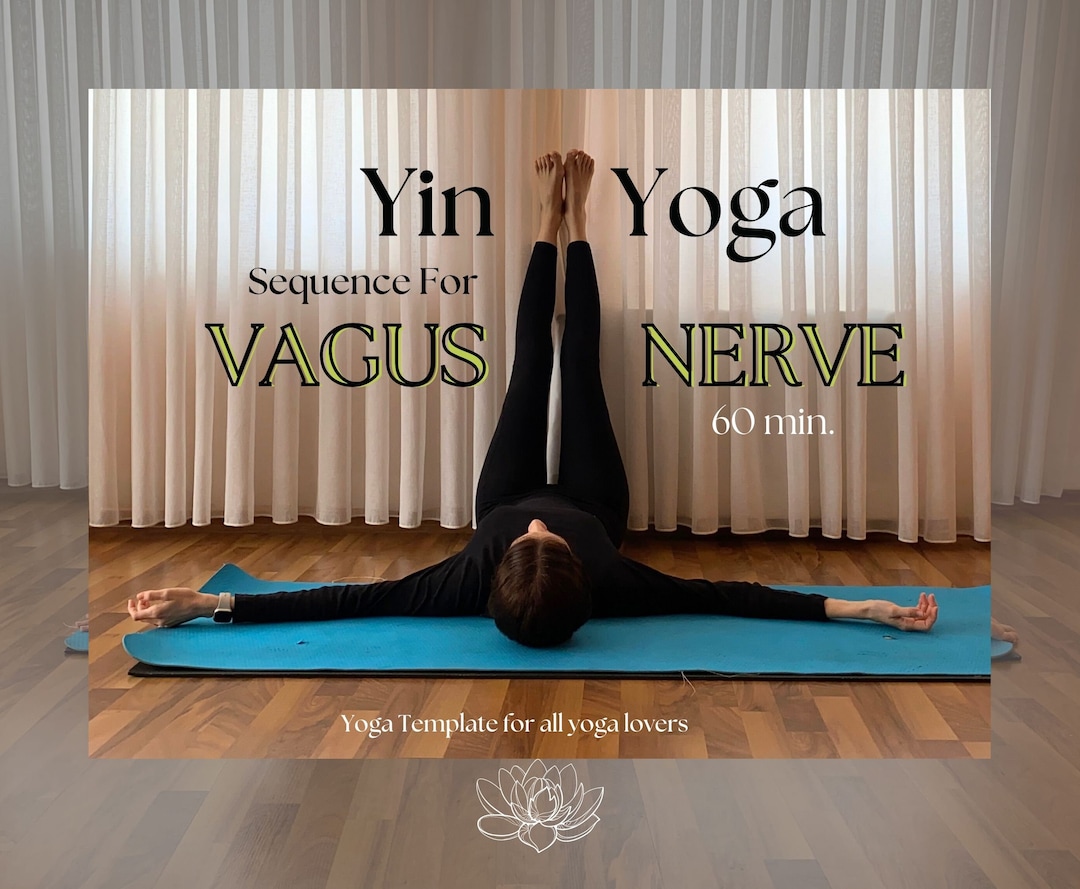
Yoga, especially styles like yin yoga or gentle stretching, can help activate the vagus nerve. Focus on poses that involve twisting or forward folds, holding each position for several minutes while breathing deeply.
8. Controlled Laughter

Laughter naturally engages the muscles and breath patterns that stimulate the vagus nerve. Watch a funny video or spend time with friends who make you laugh. Deep belly laughs can help you feel more relaxed and energized.
Conclusion
Toning your vagus nerve is a powerful way to improve your mental and physical health. By incorporating these simple exercises into your daily routine, you can reduce stress, enhance emotional regulation, and support your body’s natural ability to heal and recover. Whether you choose deep breathing, humming, or gentle movement, the key is consistency. Over time, these practices will help you feel more balanced, focused, and resilient in the face of life’s challenges.
Remember, your vagus nerve is a vital part of your nervous system, and taking care of it can have lasting benefits for your overall well-being. Start small, stay consistent, and watch how your body and mind begin to thrive.

Post a Comment for "The Ultimate Guide to Vagal Nerve Toning Exercises for Better Health"
Post a Comment