The Ultimate Guide to a Stable Blood Sugar Diet for Long-Term Health
If you've ever felt sluggish, irritable, or constantly hungry after meals, you're not alone. These symptoms often point to unstable blood sugar levels—a common issue that can affect anyone, regardless of whether they have diabetes or not. The good news is that with the right diet, you can achieve steady energy, better mood, and long-term health. This guide will walk you through everything you need to know about a stable blood sugar diet, from the science behind it to practical tips you can start using today.

Understanding Blood Sugar and Why It Matters
Blood sugar, or glucose, is the main source of energy for your body. When you eat, your digestive system breaks down carbohydrates into glucose, which enters your bloodstream. Insulin, a hormone produced by the pancreas, helps cells absorb this glucose for energy or storage. However, when this process is disrupted—due to poor diet, stress, or lack of physical activity—blood sugar levels can fluctuate wildly.
Unstable blood sugar can lead to fatigue, irritability, weight gain, and even long-term conditions like type 2 diabetes. That’s why maintaining a stable blood sugar diet is crucial. It's not just about avoiding spikes and crashes; it's about creating a sustainable eating pattern that supports your body's natural rhythms and keeps you feeling your best.
Key Principles of a Stable Blood Sugar Diet

A stable blood sugar diet isn't about deprivation or extreme restrictions. Instead, it focuses on balance, variety, and mindful eating. Here are the core principles to keep in mind:
- Prioritize whole foods: Choose unprocessed, nutrient-dense foods over refined and sugary options.
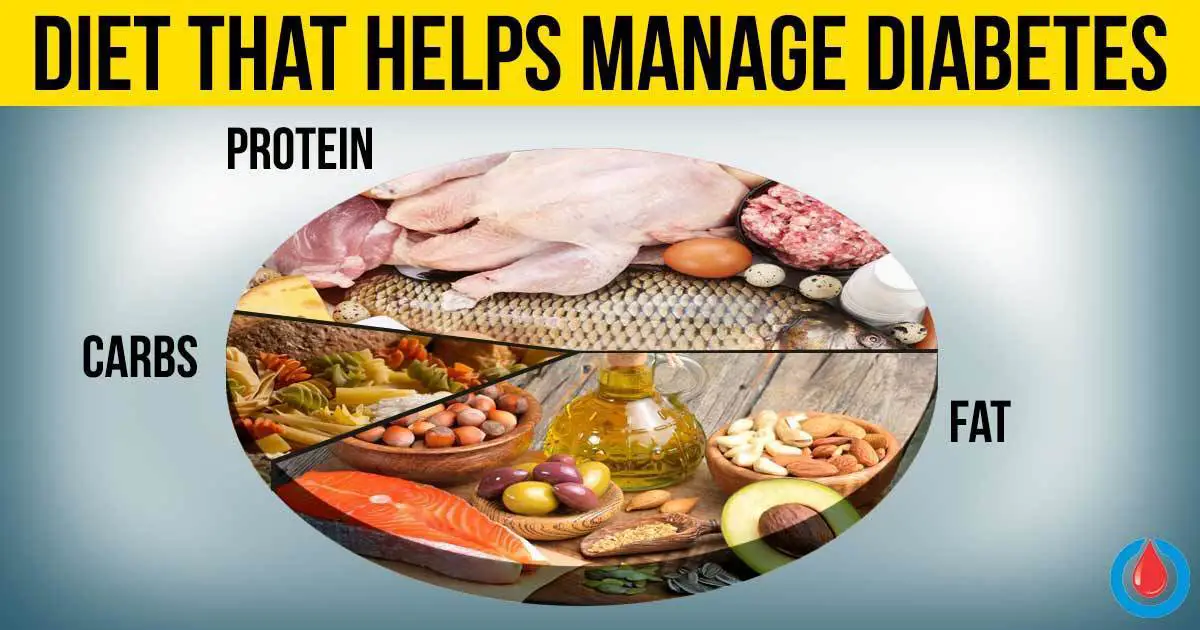
- Balance macronutrients: Combine proteins, healthy fats, and complex carbohydrates in each meal to slow digestion and prevent rapid glucose spikes.
- Focus on fiber: High-fiber foods help regulate blood sugar by slowing the absorption of sugar into the bloodstream.
- Stay hydrated: Water plays a key role in metabolic processes and can help manage hunger and cravings.
- Eat regular, balanced meals: Skipping meals or eating irregularly can cause blood sugar fluctuations.
By incorporating these principles, you'll create a foundation for consistent energy and improved overall well-being.
Top Foods for a Stable Blood Sugar Diet

Certain foods are particularly effective at supporting stable blood sugar levels. Here are some of the most beneficial ones:
1. Nonstarchy Vegetables
Vegetables like leafy greens, broccoli, zucchini, and bell peppers are low in carbs but high in fiber, vitamins, and minerals. They help fill you up without causing big glucose spikes. Aim for a colorful variety on your plate, and try steaming, roasting, or sautéing them with minimal added fat.
2. Whole Grains
Whole grains such as quinoa, oats, and brown rice contain fiber and nutrients that slow digestion and moderate blood sugar levels. Swap refined grains for whole grains whenever possible, and consider batch-cooking to make them easier to incorporate into meals throughout the week.
3. Legumes
Beans, lentils, and chickpeas are rich in plant-based protein and fiber, making them excellent for stabilizing blood sugar. Add them to soups, salads, or use them as meat substitutes in dishes like lentil chili or bean burgers.
4. Nuts and Seeds
Almonds, walnuts, chia seeds, and flaxseeds provide healthy fats, protein, and fiber. A small handful of nuts can be a satisfying snack, while adding chia or flax to smoothies or oatmeal boosts nutritional value.
5. Fatty Fish
Salmon, mackerel, and sardines are packed with omega-3 fatty acids, which support heart health and may help regulate blood sugar. Aim for two servings per week, and prepare them by baking, grilling, or broiling instead of frying.
Practical Tips for Implementing the Diet

Putting a stable blood sugar diet into practice doesn’t have to be overwhelming. Here are some actionable strategies to get started:
- Start your day with protein and fiber: Begin with eggs, Greek yogurt, or a smoothie with chia seeds to kickstart your metabolism and keep you full longer.
- Pair carbs with protein or healthy fats: For example, enjoy apple slices with peanut butter or whole-grain toast with avocado.
- Plan ahead: Meal prepping ensures you have healthy options on hand, reducing the temptation to reach for processed snacks.
- Stay active: Exercise improves insulin sensitivity and helps your body use glucose more efficiently. Even a short walk after meals can make a difference.
- Monitor your progress: Keep track of how you feel and any changes in energy levels or mood. This will help you fine-tune your approach over time.
The Role of Hydration and Sleep

While food is a major factor in blood sugar stability, other lifestyle habits also play a significant role. Staying hydrated supports metabolic functions and can help curb hunger. Aim for at least 8 glasses of water daily, and limit sugary drinks and excessive caffeine.
Sleep is another critical component. Poor sleep disrupts hormones that regulate appetite and glucose metabolism, leading to increased cravings and instability. Try to maintain a consistent sleep schedule, and aim for 7–9 hours of quality sleep each night.
Addressing Common Challenges

Adopting a stable blood sugar diet may come with challenges, especially if you're used to eating highly processed or sugary foods. Here are some common obstacles and how to overcome them:
- Cravings: Cravings often signal a need for more nutrients. Instead of reaching for a snack, try a small portion of nuts or a piece of fruit.
- Time constraints: Meal prepping and planning can save time in the long run. Batch-cook grains, roast vegetables, or prepare salads in advance.
- Social situations: Eating out or attending events can be tricky. Opt for grilled proteins, vegetable sides, and avoid sugary drinks.
- Plateaus: If you hit a plateau, consider adjusting your macronutrient balance or increasing physical activity.
Remember, consistency is key. Small, sustainable changes over time will yield the best results.
Conclusion
A stable blood sugar diet is more than just a way to manage energy levels—it's a pathway to long-term health, vitality, and well-being. By focusing on whole, nutrient-dense foods, balancing your meals, and adopting healthy lifestyle habits, you can achieve consistent energy, better mood, and a reduced risk of chronic disease. Start small, stay patient, and remember that every positive choice you make today contributes to a healthier tomorrow. Your body—and your future self—will thank you.
Post a Comment for "The Ultimate Guide to a Stable Blood Sugar Diet for Long-Term Health"
Post a Comment