The Ultimate Guide to Somatic Yoga for Stress Relief
Stress is an unavoidable part of modern life, but it doesn’t have to control your well-being. If you're looking for a way to unwind, reconnect with your body, and find calm in the chaos, somatic yoga might be the answer you’ve been searching for. This gentle yet powerful practice focuses on internal awareness, helping you release tension and restore balance. In this guide, we’ll explore what somatic yoga is, how it differs from traditional yoga, and why it’s becoming a go-to tool for stress relief.
What Is Somatic Yoga?
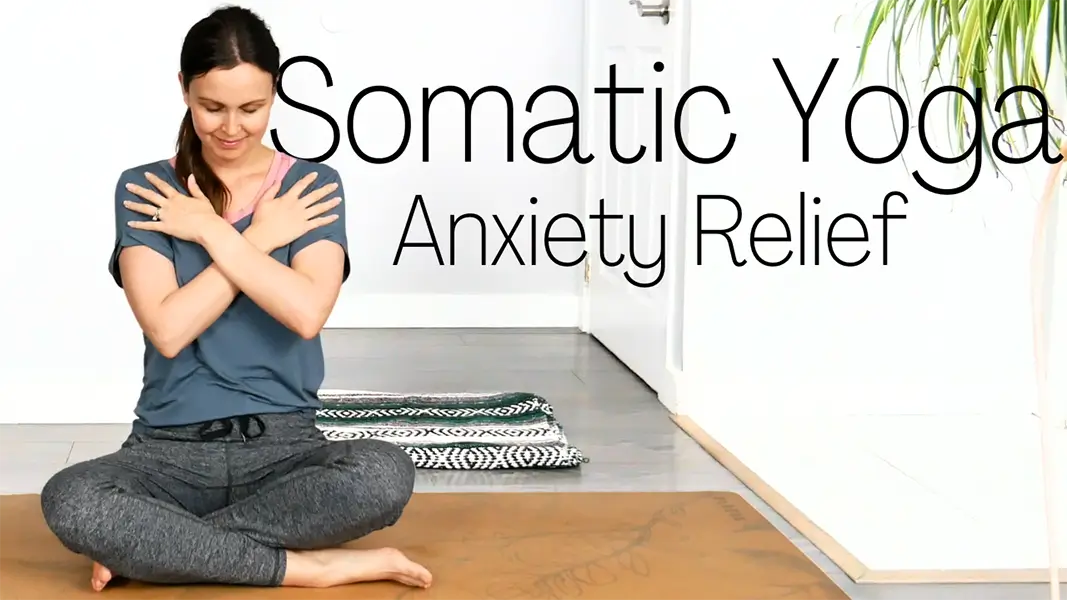
Somatic yoga is a unique form of movement that prioritizes internal awareness over external form. Unlike traditional yoga, which often emphasizes perfecting poses, somatic yoga encourages you to slow down, tune into your body, and move in ways that feel natural and intuitive. The word "somatic" comes from the Greek word soma, meaning "the living body." This approach shifts the focus from outward appearance to the sensations and feelings within your body.
The goal of somatic yoga is to help you become more in tune with your physical and emotional experiences. By paying attention to how your body feels during movement, you can release stored tension, rewire your nervous system, and cultivate a deeper sense of presence. It's not about pushing your limits or achieving a certain shape—it's about listening to your body and honoring its needs.
How Somatic Yoga Differs From Traditional Yoga
While both somatic and traditional yoga involve movement, breath, and mindfulness, they take very different approaches:
- Traditional Yoga: Focuses on physical postures (asanas), alignment, and building strength, flexibility, and endurance. It often follows structured sequences and emphasizes external form.
- Somatic Yoga: Emphasizes internal sensations, slow movements, and self-guided exploration. It’s more about how you feel during the practice than how you look.
For example, in a traditional yoga class, you might hold a pose like Downward Dog for several breaths, focusing on alignment and stability. In a somatic yoga class, you might spend time exploring the subtle movements of your hips or shoulders, noticing where tension lives and how to release it.
This difference makes somatic yoga particularly beneficial for people dealing with chronic pain, stress, or trauma. It helps you reconnect with your body in a safe and nurturing way, allowing you to release tension without the pressure of external expectations.
Why Somatic Yoga Is Great for Stress Relief
Stress often manifests physically—tight shoulders, shallow breathing, and a racing heart are all signs that your nervous system is on high alert. Somatic yoga offers a gentle way to bring your body back into balance by activating the parasympathetic nervous system, which is responsible for relaxation and recovery.
Here are some ways somatic yoga can help relieve stress:
- Releases Stored Tension: Chronic stress can lead to muscle tightness and restricted movement. Somatic yoga helps you identify and release these patterns through slow, mindful movement.
- Improves Body Awareness: By tuning into your body’s signals, you become more attuned to when you’re feeling stressed or overwhelmed. This awareness allows you to respond more effectively.
- Calms the Nervous System: Gentle movements and deep breathing activate the “rest and digest” response, helping you feel more grounded and centered.
- Encourages Emotional Release: Somatic yoga provides a safe space to process emotions and release pent-up energy, whether it’s anxiety, frustration, or grief.
5 Somatic Exercises for Stress Relief
If you're new to somatic yoga, here are five simple exercises you can try at home to reduce stress and promote relaxation:
-
Body Tapping
Gently tap different parts of your body with balled fists, starting from your chest and moving down to your legs and feet. Focus on the sensations and rhythm, allowing your mind to shift from anxious thoughts to physical awareness. -
Belly Ball Rolling
Lie on your stomach with a small ball under your belly and gently roll your body over it. This exercise helps release tension in the abdominal area and promotes gut-brain awareness. -
Eye Press Breathing
Close your eyes and place your palms over them, applying gentle pressure. Take slow, deep breaths into your belly, allowing your body to relax and your mind to quiet. -
Arm and Leg Squeezes
Gently squeeze your arms and legs to release tension and bring your focus back to your physical body. This grounding technique helps shift your attention away from anxious thoughts. -
Sacred Rage
Find a private space and use a pillow to express anger or frustration through controlled movements and deep exhales. This exercise allows you to release negative emotions in a healthy way.
These exercises are designed to be done in just a few minutes, making them ideal for busy schedules or moments of acute stress.
The Science Behind Somatic Yoga
Research supports the benefits of somatic yoga for stress relief and overall well-being. Studies have shown that somatic practices can improve stress levels, reduce symptoms of PTSD, and enhance emotional regulation. One study found that participants who practiced somatic yoga experienced significant reductions in anxiety and improved sleep quality.
Additionally, somatic yoga has been shown to increase interoception—the ability to sense internal body signals. This heightened awareness can help you recognize early signs of stress and take proactive steps to manage it.
Incorporating Somatic Yoga Into Your Routine
Whether you're new to yoga or looking to deepen your practice, there are many ways to incorporate somatic yoga into your daily routine:
- Start Small: Begin with just a few minutes of somatic movement each day. Even a short session can make a big difference in how you feel.
- Combine With Other Practices: Use somatic yoga as a warm-up before a traditional yoga session or as a cool-down afterward.
- Explore Apps and Classes: Many apps, like NEUROFIT, offer personalized somatic exercises tailored to your needs. Look for classes that emphasize internal awareness and mindful movement.
- Listen to Your Body: Somatic yoga is about honoring your body’s needs. Don’t force yourself into uncomfortable positions—move in a way that feels right for you.
Conclusion
Somatic yoga offers a powerful, accessible way to relieve stress and reconnect with your body. By focusing on internal awareness and gentle movement, it helps you release tension, calm your nervous system, and cultivate a deeper sense of presence. Whether you're dealing with chronic stress, anxiety, or simply looking for a way to unwind, somatic yoga can be a valuable addition to your wellness routine.
Remember, the goal isn't to achieve perfection or push your limits—it's to listen, feel, and move in a way that brings you peace. With consistent practice, you'll begin to notice a greater sense of balance, clarity, and well-being in your daily life.

Post a Comment for "The Ultimate Guide to Somatic Yoga for Stress Relief"
Post a Comment