The Ultimate Guide to Red Light Therapy for Anti-Aging: Benefits, How It Works, and Results
If you've ever looked in the mirror and wished your skin could turn back time, you're not alone. Aging is a natural process, but the desire to maintain a youthful appearance has led many to explore innovative skincare solutions. One such solution that's gaining traction is red light therapy. While it might sound like a futuristic beauty trend, red light therapy is grounded in science and offers real, measurable benefits for anti-aging.
In this guide, we’ll break down what red light therapy is, how it works, and why it’s becoming a go-to treatment for those looking to keep their skin looking younger, longer. Whether you’re a skincare enthusiast or just curious about the latest trends, this article will give you the insights you need to make an informed decision.
What Is Red Light Therapy?
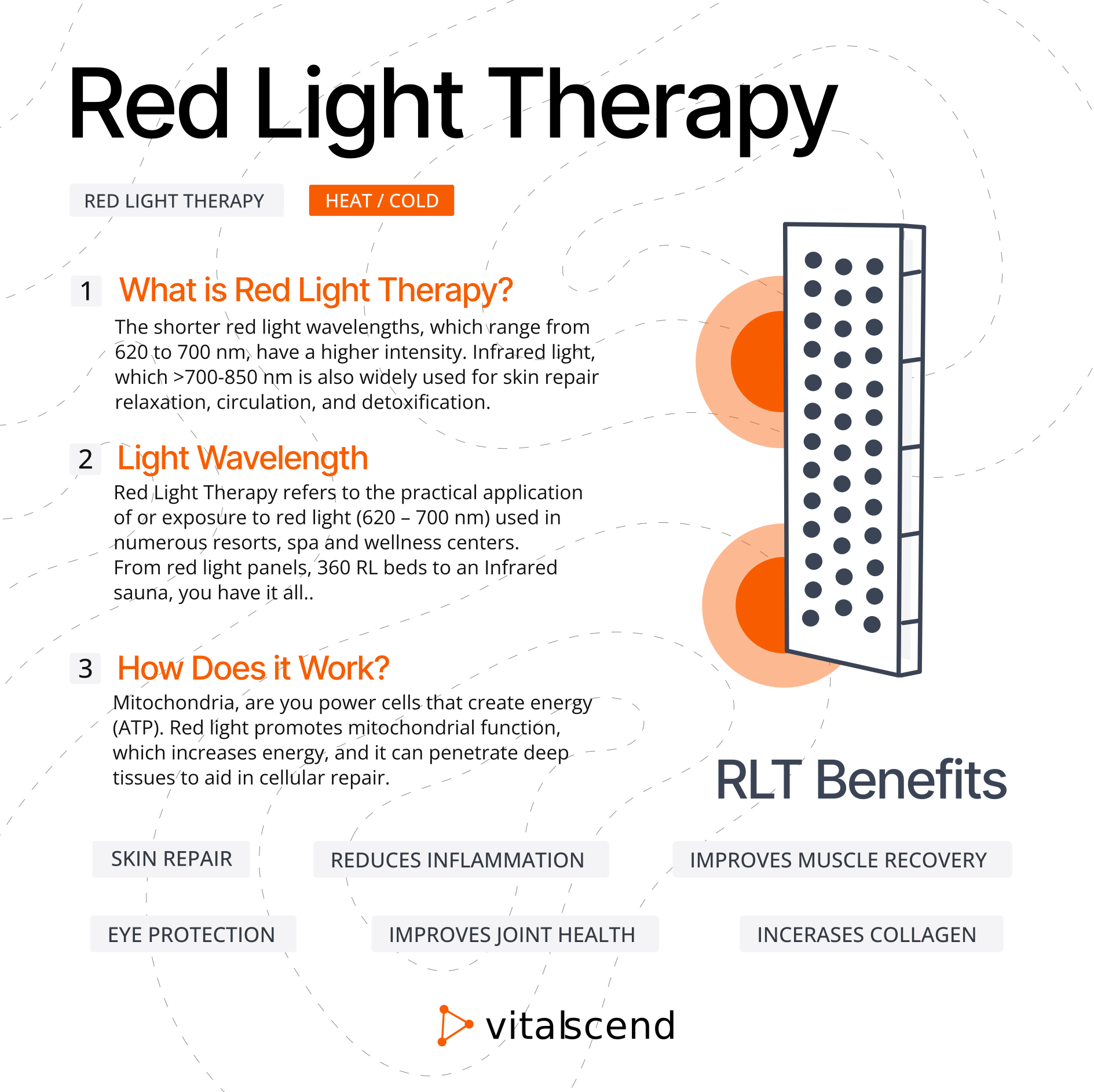
Red light therapy, also known as low-level laser therapy (LLLT), is a non-invasive treatment that uses specific wavelengths of red and near-infrared light to stimulate cellular activity. Unlike traditional tanning beds, which emit harmful ultraviolet (UV) rays, red light therapy devices use LED lights that emit safe, visible red and infrared light.
The therapy works by penetrating the skin at different depths, depending on the wavelength used. This light energy is absorbed by the mitochondria—the powerhouses of our cells—which then boosts ATP production. Increased ATP levels help cells function more efficiently, leading to improved repair processes and enhanced collagen production.
Dr. David Meredith of Very Well Wellness Center explains, “It’s a therapeutic technique using specific wavelengths of visible red light and infrared light to stimulate the cells in the body. It can strengthen the mitochondria—the cell’s energy source—which may repair and improve cell function.”
How Does Red Light Therapy Work for Anti-Aging?
At the heart of red light therapy’s effectiveness for anti-aging is its ability to stimulate collagen production. Collagen is the protein responsible for keeping skin firm, elastic, and youthful. As we age, our bodies produce less collagen, leading to wrinkles, sagging skin, and a loss of radiance.
Red light therapy targets the mitochondria in skin cells, encouraging them to produce more ATP. This increase in energy allows the cells to work more efficiently, promoting the synthesis of collagen and elastin—two key components of healthy, young-looking skin.
Studies have shown that consistent use of red light therapy can lead to visible improvements in skin texture, tone, and elasticity. For example, a German study found that participants experienced reduced fine lines, fewer areas of redness, and an overall improvement in skin texture after several weeks of regular use.
What Are the Benefits of Red Light Therapy for Anti-Aging?
Red light therapy isn’t just about looking younger—it’s about supporting your skin’s health from the inside out. Here are some of the key benefits:
- Boosts Collagen Production: Increases the natural production of collagen, helping to reduce the appearance of fine lines and wrinkles.
- Improves Skin Texture: Enhances skin smoothness and evenness, resulting in a more radiant complexion.
- Reduces Inflammation: Helps soothe irritated skin and reduce redness, making it ideal for sensitive or acne-prone skin.
- Promotes Wound Healing: Accelerates the healing of minor cuts, burns, and other skin injuries.
- Enhances Overall Skin Health: Supports the body’s natural repair processes, leading to healthier, more resilient skin over time.
These benefits make red light therapy a versatile tool for anyone looking to maintain or improve their skin’s appearance.
How Often Should You Use Red Light Therapy for Anti-Aging?
Consistency is key when it comes to seeing results from red light therapy. Most professionals recommend starting with 3–4 sessions per week, each lasting 10–15 minutes. Over time, you can adjust the frequency based on your individual needs and goals.
For long-term anti-aging benefits, it’s important to continue using the therapy regularly. Dr. Meredith notes, “If it’s a short term or superficial issue that can be resolved, you don’t need to keep coming in, but for things like antiaging—you aren’t going to stop aging—you need to set up appointments to maintain the results you want.”
Keep in mind that red light therapy is not a quick fix. It requires patience and commitment, but the results are well worth the effort.
Are There Any Risks or Side Effects?
Red light therapy is generally considered safe for most people. However, there are a few precautions to keep in mind:
- Pregnant Women: Should avoid red light therapy due to limited research on its effects during pregnancy.
- Sensitivity to Light: Individuals taking medications that increase skin or eye sensitivity should consult a healthcare provider before starting therapy.
- Eye Protection: Although not always necessary, some practitioners recommend wearing protective eyewear to prevent any potential irritation.
Overall, red light therapy is a low-risk treatment with minimal side effects. Most users report no discomfort and experience only positive changes in their skin.
Why Choose an At-Home Red Light Therapy Device?
While professional red light therapy treatments are available, many people prefer using at-home devices for convenience and cost-effectiveness. Professional sessions can range from $39 to $50 per session, which can add up quickly over time. In contrast, investing in a home device allows you to enjoy unlimited sessions without the hassle of scheduling or travel.
At-home devices come in various forms, including face masks, panels, and full-body beds. For anti-aging purposes, a red light face mask is often the most practical choice. These devices are designed to target the face and neck, delivering concentrated light therapy to the areas most affected by aging.
One popular option is the Bon Charge Red Light Face Mask, which has gained a loyal following for its comfort and effectiveness. As one user shared, “I’ve tried other red light face masks in the past, but they were all hard plastic, bulky, and did not fit well. I had an idea for a softer, more comfortable mask so I emailed my friend Andy who owns Bon Charge that I wish he offered a soft red light mask. Within months, he created the best red light mask and I use mine daily!”
How to Build a Red Light Therapy Routine for Anti-Aging
To get the most out of red light therapy, follow these simple steps:
- Clean Your Skin: Wash your face and pat it dry. Avoid applying makeup, sunscreen, or heavy oils before your session.
- Position the Device: Place the red light panel 12–18 inches away from your face. Adjust the angle to cover the areas you want to target.
- Set a Timer: Run each session for 10–20 minutes. Many devices come with built-in timers to make this easy.
- Relax and Breathe: Use this time to unwind. Red light therapy is not just about skincare—it’s also a moment of self-care.
- Repeat Regularly: Aim for 3–5 sessions per week for best results. Consistency is key to seeing long-term improvements.
- Moisturize Afterward: Apply your favorite moisturizer or serum after your session to lock in hydration and enhance the benefits.
Remember, red light therapy is not a substitute for your regular skincare routine. It complements your existing products by enhancing their effectiveness and supporting your skin’s natural processes.
What Can You Expect From Red Light Therapy?
Results from red light therapy are gradual, but they are real. Most users begin to notice a subtle glow and improved texture within a few weeks. For deeper anti-aging effects, such as reduced fine lines or firmer skin, it typically takes 8–12 weeks of consistent use.
You may also experience a reduction in redness, fewer dull patches, and a more even skin tone. Unlike harsh treatments like chemical peels or lasers, red light therapy is gentle and soothing, making it ideal for sensitive or inflamed skin.
Conclusion
Red light therapy is more than just a beauty trend—it’s a scientifically backed method for supporting skin health and combating the signs of aging. By stimulating collagen production, improving skin texture, and promoting cellular repair, it offers a natural, non-invasive way to maintain a youthful appearance.
Whether you choose a professional treatment or an at-home device, the key to success is consistency. With regular use, you can enjoy long-term benefits that go beyond surface-level improvements. And while red light therapy won’t stop the aging process, it can help you look and feel your best at every stage of life.
If you’re ready to take the next step in your skincare journey, consider incorporating red light therapy into your routine. Your future self will thank you for it.

Post a Comment for "The Ultimate Guide to Red Light Therapy for Anti-Aging: Benefits, How It Works, and Results"
Post a Comment