The Ultimate Guide to Prebiotic Fiber Supplements: Benefits, Types & How to Choose
In recent years, the conversation around gut health has taken center stage in the wellness world. As more people become aware of the critical role that the gut microbiome plays in overall health, prebiotic fiber supplements have emerged as a popular solution for supporting digestive and immune function. Whether you're looking to improve digestion, boost your energy, or enhance mental clarity, understanding prebiotics can be a game-changer.
This guide will walk you through everything you need to know about prebiotic fiber supplements—what they are, how they work, and how to choose the right one for your needs. We’ll also explore the science behind their benefits, highlight top products on the market, and provide practical tips for integrating them into your daily routine.
What Are Prebiotic Fiber Supplements?

Prebiotic fiber supplements are made from non-digestible carbohydrates that act as food for the beneficial bacteria in your gut. These fibers pass through the digestive system undigested and are fermented by gut microbes, which then produce short-chain fatty acids (SCFAs) that support gut health and overall well-being.
Common types of prebiotic fibers include:
- Inulin: A natural fiber found in plants like chicory root.
- Fructooligosaccharides (FOS): Short chains of fructose molecules.
- Galactooligosaccharides (GOS): Derived from lactose and often used in infant formulas.
- Resistant starch: Found in foods like green bananas and cooked and cooled potatoes.
These fibers help nourish the good bacteria in your gut, promoting a balanced microbiome and improving digestion, immunity, and even mood.
The Science Behind Prebiotic Benefits
Research shows that prebiotics can have a profound impact on health. Here’s what the science says:
1. Improves Digestive Health
Prebiotics encourage the growth of beneficial bacteria like Bifidobacteria and Lactobacilli, which help break down food, absorb nutrients, and prevent harmful bacteria from taking over. This leads to better digestion, reduced bloating, and fewer instances of constipation or diarrhea.
2. Boosts Immune Function
A significant portion of the immune system resides in the gut. By feeding the good bacteria, prebiotics help regulate immune responses, reduce inflammation, and protect against infections.
3. Supports Mental Health
The gut-brain axis connects the gut and the brain, and emerging research suggests that a healthy gut microbiome can influence mood and cognitive function. Prebiotics may help reduce symptoms of anxiety and depression by promoting the production of SCFAs that affect brain chemistry.
4. Enhances Metabolic Health
Studies have shown that certain prebiotic fibers, such as inulin-type fructans, can help regulate blood sugar levels, lower cholesterol, and improve insulin sensitivity. This makes them particularly useful for people with diabetes or metabolic syndrome.
How to Choose the Right Prebiotic Fiber Supplement

With so many options available, it can be overwhelming to pick the best one. Here are key factors to consider when selecting a prebiotic supplement:
1. Quality of Ingredients
Look for products that use high-quality, minimally processed prebiotic sources. Avoid supplements with added sugars, artificial sweeteners, or unnecessary fillers. Brands that offer third-party testing or certifications (like NSF or USDA Organic) are usually more trustworthy.
2. Type of Fiber
Different prebiotic fibers offer different benefits. For example: - Inulin is great for digestion and immune support. - FOS and GOS are known for their ability to promote the growth of specific beneficial bacteria. - Psyllium husk is ideal for regularity and managing bowel movements.
3. Dosage and Form
Prebiotic supplements come in various forms—powders, capsules, gummies, and even chewables. Choose a form that fits your lifestyle. Dosage also matters; most experts recommend starting with a small amount and gradually increasing to avoid bloating or discomfort.
4. Tolerance and Side Effects
Some people may experience gas or bloating when first starting a prebiotic supplement. Look for products that are low-FODMAP or designed for sensitive digestion, like Sunfiber or InnerFuel.
Top Prebiotic Fiber Supplements of 2026
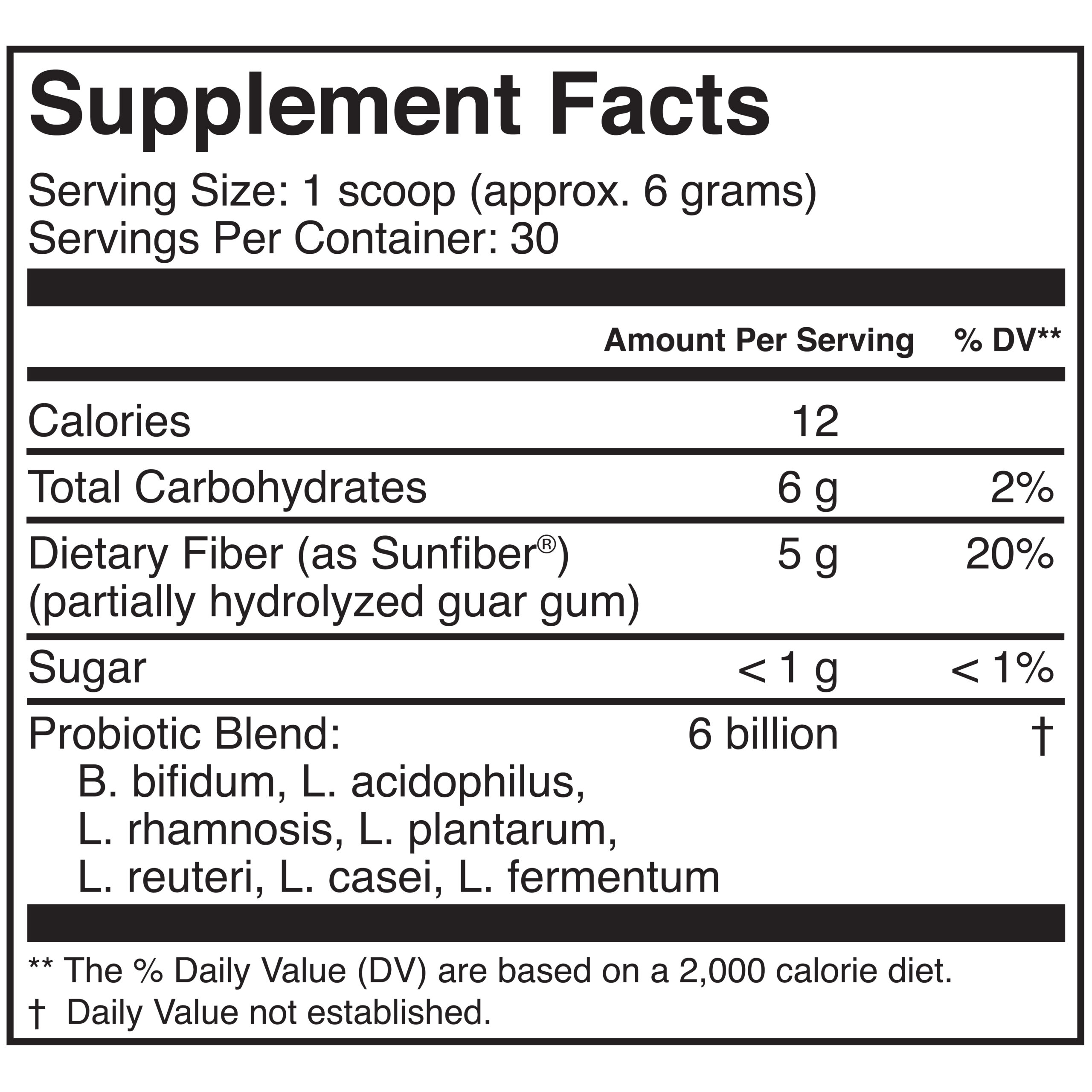
Here are some of the best prebiotic fiber supplements currently available, based on quality, effectiveness, and user feedback:
1. Benefiber Daily Prebiotic Fiber Supplement Powder
- Pros: Unflavored, gluten-free, and easy to mix.
- Cons: May cause bloating if not mixed properly.
- Best for: Those who want a simple, no-nonsense prebiotic powder.
2. GOBIOTIX Fiber Supplement
- Pros: Organic, plant-based, and supports energy and mental clarity.
- Cons: Slightly pricey and has a mild sweetness.
- Best for: People seeking a holistic, organic approach to gut health.
3. Tomorrow’s Nutrition, Sunfiber
- Pros: Low-FODMAP, gentle on the gut, and clinically studied.
- Cons: Unflavored taste may not appeal to everyone.
- Best for: Individuals with IBS or sensitive digestion.
4. Natural Flow Supplements Prebiotic Fiber Supplement
- Pros: Contains a blend of 5 prebiotic fibers for diverse bacterial support.
- Cons: May cause discomfort in some individuals.
- Best for: Those looking for a comprehensive prebiotic blend.
Tips for Incorporating Prebiotics Into Your Routine
- Start Slowly: Begin with a small dose (e.g., 1 teaspoon per day) and gradually increase to avoid digestive discomfort.
- Stay Hydrated: Prebiotic fibers absorb water, so make sure to drink plenty of fluids.
- Pair With Probiotics: Combining prebiotics with probiotics can create a synergistic effect for gut health.
- Choose Whole Foods First: While supplements are convenient, whole foods like bananas, onions, garlic, and oats are rich in prebiotic fiber and offer additional nutrients.
Frequently Asked Questions
Q: Can prebiotic supplements help with weight loss?
A: While prebiotics may support metabolism and satiety, they should be used alongside a healthy diet and exercise for effective weight management.
Q: Are prebiotic supplements safe?
A: Most prebiotic supplements are safe for healthy individuals. However, those with digestive disorders should consult a healthcare provider before starting.
Q: How long does it take to see results?
A: Some people notice improvements in digestion within a few days, while others may take a few weeks to see noticeable changes.
Final Thoughts
Prebiotic fiber supplements are a powerful tool for supporting gut health and overall well-being. By choosing the right product and incorporating it into your daily routine, you can nurture a thriving gut microbiome that supports digestion, immunity, and even mental clarity.
Whether you opt for a powdered supplement, gummies, or a capsule, the key is consistency and awareness of your body's response. Always read labels carefully, start with a low dose, and consult with a healthcare professional if you have any concerns.
By making informed choices, you can harness the full potential of prebiotic fiber and take a proactive step toward better health.

Post a Comment for "The Ultimate Guide to Prebiotic Fiber Supplements: Benefits, Types & How to Choose"
Post a Comment