The Top Probiotic Supplements for Women: Benefits, Types, and How to Choose
Probiotics have become a cornerstone of holistic wellness, especially for women seeking to improve their gut health, immune function, and even vaginal health. With so many options available, it can be overwhelming to determine which probiotic supplements are right for you. This article will guide you through the benefits of probiotics for women, the different types of strains, and how to choose the best ones based on your unique needs.

Understanding Probiotics and Their Role in Women's Health

Probiotics are live microorganisms that, when consumed in adequate amounts, confer health benefits to the host. These beneficial bacteria help maintain a balanced gut microbiome, which is essential for digestion, immunity, and even mental well-being. For women, the importance of probiotics extends beyond the gut—research suggests they may also play a role in supporting vaginal health, managing hormonal fluctuations, and even improving mood during perimenopause and menopause.
The gut microbiome is a complex ecosystem of bacteria, fungi, and viruses. A diverse and balanced microbiome is key to overall health, and probiotics can help support this balance by introducing beneficial strains. However, not all probiotics are created equal. The effectiveness of a probiotic depends largely on the specific strains it contains and how well those strains match your individual health goals.
Key Benefits of Probiotics for Women

-
Supporting Gut Health and Digestion: Probiotics can help alleviate common digestive issues such as constipation, bloating, and irritable bowel syndrome (IBS). Strains like Lactobacillus and Bifidobacterium are particularly effective for promoting regularity and reducing inflammation in the gut.
-
Enhancing Vaginal Health: The vagina has its own microbiome, and maintaining a healthy balance of bacteria is crucial for preventing infections like bacterial vaginosis (BV) and yeast infections. Lactobacillus species, such as L. rhamnosus and L. reuteri, are known for their ability to maintain an acidic environment that discourages harmful bacteria.
-
Boosting Immune Function: The gut and immune system are closely linked. Probiotics can stimulate the production of immune cells and help regulate the body’s inflammatory response. Strains like L. casei and B. lactis have been shown to reduce the risk of upper respiratory infections and improve overall immunity.
-
Managing Hormonal Changes: During perimenopause and menopause, hormonal shifts can affect gut and vaginal health. Probiotics may help ease symptoms like vaginal dryness and discomfort by supporting the growth of beneficial bacteria in the genital tract.
-
Improving Mood and Mental Health: Emerging research suggests that the gut-brain axis plays a role in mental health. Probiotics may help reduce anxiety and depression by influencing neurotransmitter production and reducing inflammation.
Top Probiotic Strains for Women's Health

Choosing the right probiotic strain is critical for maximizing its benefits. Here are some of the most effective strains for women:
- Lactobacillus rhamnosus: Known for its role in vaginal health, this strain helps maintain a healthy pH balance and may reduce the risk of infections.
- Lactobacillus reuteri: Supports both gut and vaginal health, and has been shown to improve digestion and reduce inflammation.
- Lactobacillus acidophilus: Commonly found in yogurt, this strain aids in digestion and may help with lactose intolerance.
- Bifidobacterium lactis: Beneficial for gut health, this strain promotes regularity and supports immune function.
- Saccharomyces boulardii: A yeast-based probiotic that helps prevent antibiotic-associated diarrhea and supports gut recovery after illness.
For specific concerns like recurrent urinary tract infections (UTIs), L. rhamnosus GR-1 and L. reuteri B-54 are often recommended. If you're dealing with bacterial vaginosis, look for products containing L. rhamnosus or L. reuteri.
How to Choose the Right Probiotic Supplement
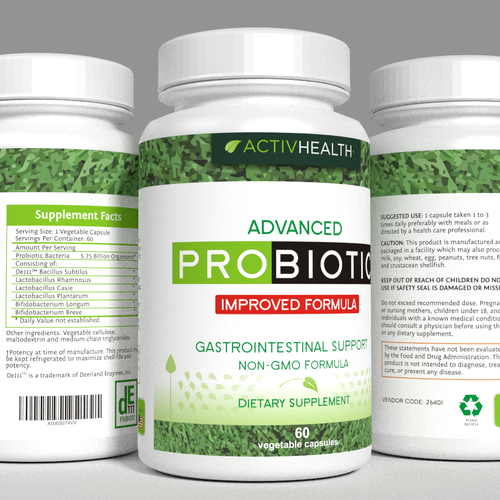
When selecting a probiotic supplement, consider the following factors:
- Strain Specificity: Ensure the product contains strains that target your specific health goals. For example, if you're concerned about vaginal health, look for L. rhamnosus or L. reuteri.
- CFU Count: Colony-forming units (CFUs) indicate the number of live bacteria in each dose. Aim for at least 10–20 billion CFUs for general health, and higher counts (up to 100 billion) for more severe conditions like IBS.
- Quality and Safety: Choose brands that undergo third-party testing and have certifications like USP Verified. This ensures the product is free from contaminants and accurately labeled.
- Formulation: Probiotics come in various forms, including capsules, powders, and gummies. Some require refrigeration, so check the storage instructions carefully.
- Prebiotic Content: Synbiotic products combine probiotics with prebiotics (non-digestible fibers that feed beneficial bacteria). This can enhance the effectiveness of the probiotic.
Probiotic Foods vs. Supplements

In addition to supplements, you can get probiotics from fermented foods like yogurt, kefir, sauerkraut, and kimchi. These natural sources provide a variety of beneficial bacteria and are often more cost-effective than supplements. However, the potency of probiotics in food can vary, and some processed products may contain added sugars or preservatives that negate their benefits.
If you prefer supplements, look for high-quality products that clearly list the strains and CFU count. You can also consult with a healthcare provider to determine the best option for your individual needs.
Common Mistakes to Avoid
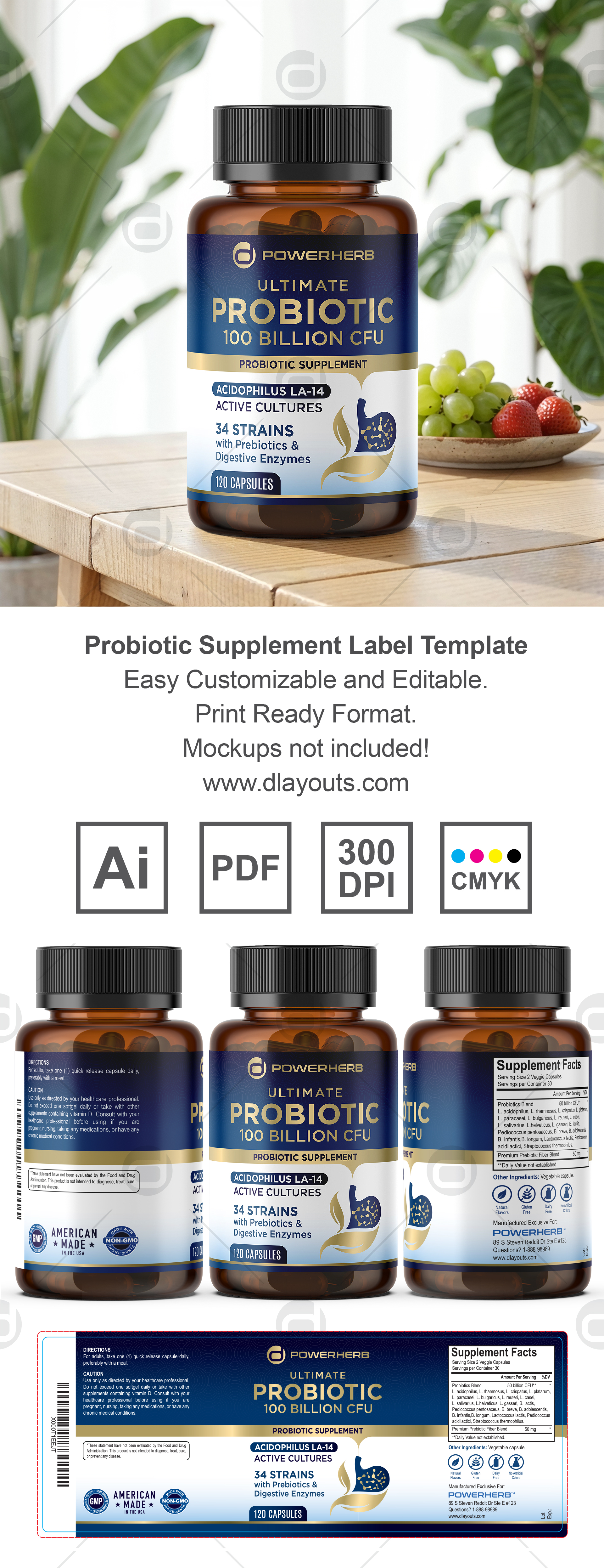
Even with the best intentions, people often make mistakes when choosing and using probiotics. Here are some pitfalls to avoid:
- Taking the Wrong Strain: Not all probiotics are suitable for every health concern. For example, a probiotic designed for gut health may not be effective for vaginal health.
- Ignoring CFU Count: A low CFU count may not provide enough live bacteria to make a difference. Always check the label for the recommended dosage.
- Expecting Immediate Results: It can take several weeks for probiotics to show noticeable effects. Be patient and consistent with your regimen.
- Neglecting Diet and Hydration: Probiotics need prebiotics (fiber-rich foods) to thrive. Make sure to eat a variety of plant-based foods to support your gut microbiome.
- Storing Incorrectly: Some probiotics require refrigeration. Check the packaging for storage instructions to maintain their potency.
Are Probiotics Safe for Everyone?

While probiotics are generally safe for healthy individuals, there are certain situations where caution is needed:
- Immunocompromised Individuals: Those with weakened immune systems should consult a healthcare provider before starting probiotics, as live bacteria could pose an infection risk.
- Severe Illness or Medical Conditions: If you have a serious health condition, such as small intestinal bacterial overgrowth (SIBO) or a central venous catheter, talk to your doctor before using probiotics.
- Allergies or Sensitivities: Some probiotics contain dairy, soy, or other allergens. Always check the label for potential triggers.
Final Thoughts
Probiotic supplements can be a valuable addition to a woman’s wellness routine, offering support for gut health, immunity, and even hormonal balance. However, the key to success lies in choosing the right strains, quality products, and being consistent with your regimen. By understanding your unique health needs and working with a healthcare provider, you can find the best probiotic solution for your body.
Whether you opt for supplements or natural food sources, incorporating probiotics into your daily routine can lead to long-term improvements in your overall health and well-being. Stay informed, stay proactive, and let your gut be your guide.

Post a Comment for "The Top Probiotic Supplements for Women: Benefits, Types, and How to Choose"
Post a Comment