The Top Plant-Based Anti-Inflammatory Benefits for a Healthier Lifestyle
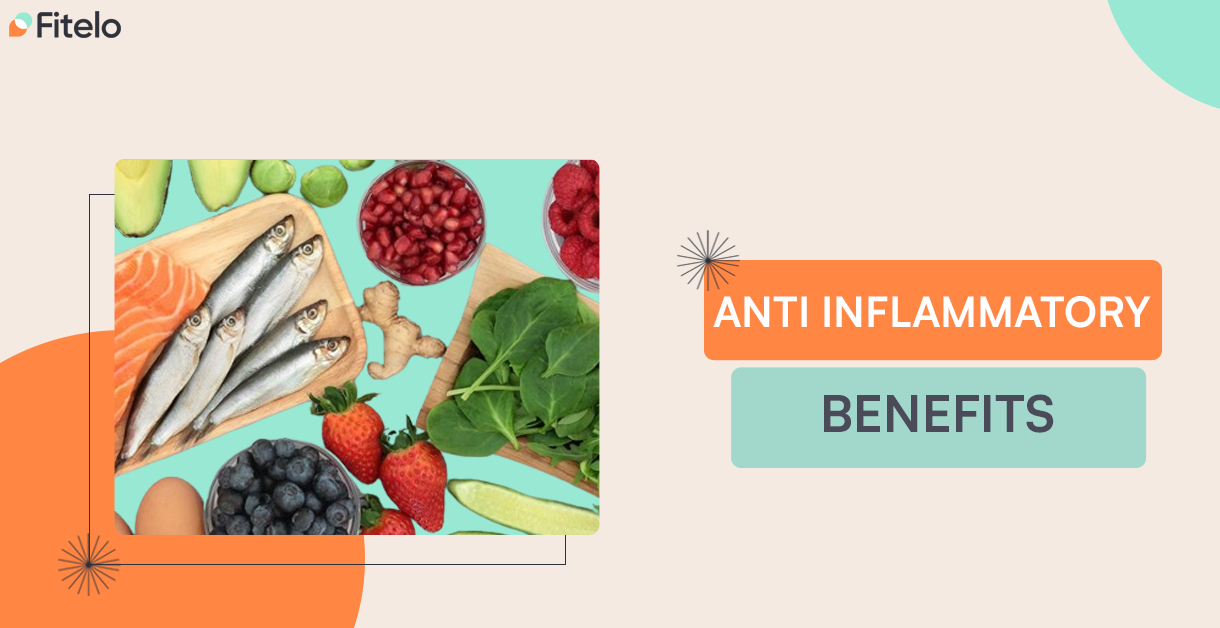
Inflammation is often described as the body’s silent enemy. While it's a natural immune response to injuries and infections, chronic inflammation can lead to serious health issues like heart disease, diabetes, and even cancer. Fortunately, there's a powerful way to combat this without relying on medication: a plant-based anti-inflammatory diet. This approach not only helps reduce inflammation but also supports overall well-being. In this article, we'll explore the science behind plant-based anti-inflammatory benefits, the best foods to include, and how you can start incorporating them into your daily life.
Understanding Inflammation and Its Impact on Health
Inflammation is the body's way of protecting itself against harmful stimuli, such as pathogens, damaged cells, or irritants. When you sprain an ankle or catch a cold, your immune system sends white blood cells to the affected area, causing redness, swelling, and pain. This is known as acute inflammation and is a necessary part of the healing process.
However, when inflammation becomes chronic—lasting for weeks, months, or even years—it can wreak havoc on your body. Chronic inflammation is linked to a range of conditions, including arthritis, metabolic syndrome, and cardiovascular diseases. It can also contribute to fatigue, joint pain, and a general feeling of being unwell.
The good news is that what you eat plays a significant role in either promoting or reducing inflammation. By making smart dietary choices, you can support your body's natural ability to heal and maintain balance.
The Science Behind Plant-Based Anti-Inflammatory Benefits
Research has shown that a diet rich in whole, plant-based foods can significantly reduce inflammation. This is because plants are packed with antioxidants, phytochemicals, and other compounds that help neutralize free radicals and reduce oxidative stress—key contributors to chronic inflammation.
For example, studies published in The Journal of the Academy of Nutrition and Dietetics have found that diets high in fruits, vegetables, whole grains, and legumes are associated with lower levels of inflammatory markers like C-reactive protein (CRP) and interleukin-6 (IL-6). These findings highlight the importance of a plant-based approach in managing inflammation.
Additionally, certain plant compounds, such as curcumin in turmeric and resveratrol in grapes, have been shown to have potent anti-inflammatory effects. These substances work by inhibiting enzymes and molecules involved in the inflammatory process, offering natural relief without the side effects of many pharmaceuticals.
Key Plant-Based Foods That Combat Inflammation
To harness the full power of a plant-based anti-inflammatory diet, focus on incorporating the following foods into your meals:
- Berries: Blueberries, strawberries, and raspberries are rich in antioxidants and anthocyanins, which help reduce inflammation.
- Leafy Greens: Spinach, kale, and collards are loaded with vitamins, minerals, and polyphenols that counteract inflammation.
- Cruciferous Vegetables: Broccoli, cauliflower, and Brussels sprouts contain compounds that support detoxification and reduce inflammation.
- Legumes: Beans, lentils, and peas provide fiber, protein, and resistant starch, all of which help lower inflammation.
- Nuts and Seeds: Almonds, chia seeds, and flaxseeds are excellent sources of omega-3 fatty acids, which have anti-inflammatory properties.
- Turmeric and Ginger: These spices are renowned for their ability to reduce inflammation and support joint health.
- Whole Grains: Quinoa, brown rice, and oats help regulate blood sugar and prevent spikes that can trigger inflammation.
By including these foods in your diet, you're not only nourishing your body but also giving it the tools it needs to fight inflammation from within.
Foods to Avoid or Limit
While focusing on anti-inflammatory foods is essential, it's equally important to avoid or limit those that promote inflammation. These include:
- Processed Foods: Fried foods, fast food, and packaged snacks are high in unhealthy fats, sugars, and additives that can worsen inflammation.
- Refined Sugars: Sweets, sodas, and baked goods can cause blood sugar spikes, leading to increased inflammation.
- Trans Fats: Found in many processed foods, trans fats raise "bad" cholesterol and increase the risk of heart disease and inflammation.
- Excessive Alcohol: Drinking too much can damage the liver and contribute to chronic inflammation.
- Dairy Products: Some people may experience inflammation from dairy, especially if they have sensitivities or intolerances.
Reducing or eliminating these foods can make a significant difference in your overall health and well-being.
Practical Tips for Starting a Plant-Based Anti-Inflammatory Diet
If you're new to this lifestyle, here are some practical tips to help you get started:
- Start Small: Begin by swapping one or two meals a day with plant-based options. For example, try a veggie-packed salad instead of a meat-heavy burger.
- Focus on Whole Foods: Prioritize unprocessed foods like fruits, vegetables, whole grains, and legumes. These are naturally rich in nutrients and anti-inflammatory compounds.
- Experiment with Spices: Use turmeric, ginger, garlic, and cinnamon to add flavor and boost the anti-inflammatory effects of your meals.
- Stay Hydrated: Drink plenty of water throughout the day to support your body's natural detoxification processes.
- Plan Ahead: Meal planning can help you stay on track and ensure you're getting a variety of anti-inflammatory foods.
Remember, consistency is key. Over time, these small changes can lead to significant improvements in your health and energy levels.
Real-Life Examples of Plant-Based Anti-Inflammatory Success
Many people have experienced remarkable improvements in their health by adopting a plant-based anti-inflammatory diet. For instance, Linda Tyler, author of The Plant-Based Anti-Inflammatory Cookbook, noticed a reduction in her own joint pain and improved energy after making dietary changes. She credits her recovery to the power of whole, plant-based foods and the anti-inflammatory properties of ingredients like turmeric and ginger.
Another success story comes from individuals with autoimmune conditions like rheumatoid arthritis. Many report reduced joint pain and stiffness after incorporating more anti-inflammatory foods into their diets. These real-life examples demonstrate the tangible benefits of a plant-based approach.
Conclusion: Embrace the Power of Plants for a Healthier You
A plant-based anti-inflammatory diet is more than just a trend—it's a sustainable and effective way to improve your health. By focusing on whole, nutrient-dense foods and avoiding those that promote inflammation, you can support your body's natural healing processes and reduce the risk of chronic diseases.
Whether you're looking to manage joint pain, boost your energy, or simply feel better overall, the benefits of a plant-based anti-inflammatory diet are clear. Start small, stay consistent, and watch as your body responds positively to the power of plants.
[IMAGE: plant-based anti-inflammatory benefits healthy lifestyle]

Post a Comment for "The Top Plant-Based Anti-Inflammatory Benefits for a Healthier Lifestyle"
Post a Comment