The Science-Backed Skin Benefits of Photobiomodulation Therapy
Photobiomodulation therapy, often referred to as light therapy, has emerged as a promising non-invasive treatment for improving skin health. This innovative approach uses specific wavelengths of light—typically red or near-infrared—to stimulate cellular activity and promote healing. As more people seek natural and effective ways to maintain youthful skin, understanding the science behind photobiomodulation becomes increasingly important. In this article, we’ll explore the proven benefits of this therapy, backed by scientific research, and how it can help reverse signs of aging.
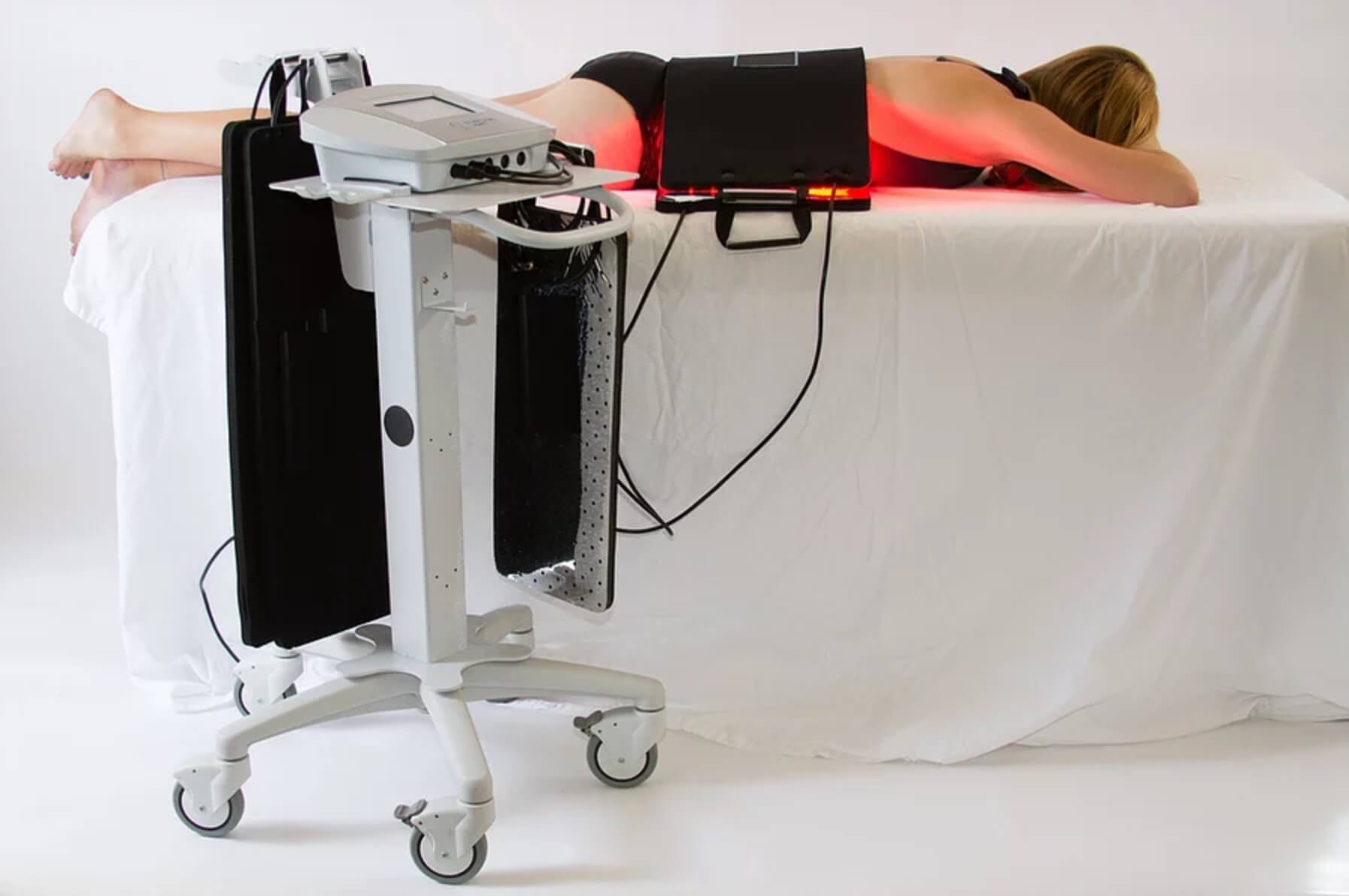
What Is Photobiomodulation?

Photobiomodulation (PBM) is a form of light therapy that utilizes low-level lasers or light-emitting diodes (LEDs) to deliver specific wavelengths of light to the skin. These wavelengths, usually in the red or near-infrared spectrum, penetrate the skin and interact with cells at a molecular level. The primary mechanism involves the absorption of light by chromophores within the mitochondria, which triggers a cascade of biological responses.
This process enhances the production of adenosine triphosphate (ATP), the energy currency of the cell. Increased ATP levels lead to improved cellular function, including enhanced repair, regeneration, and metabolic activity. PBM also reduces oxidative stress and promotes anti-inflammatory effects, making it a powerful tool for skin rejuvenation.
How Does PBM Benefit the Skin?

Research has shown that photobiomodulation offers a range of benefits for the skin, from reducing wrinkles to improving texture and elasticity. Here are some of the most significant advantages:
- Reduces Wrinkles and Fine Lines: PBM stimulates collagen and elastin production, which helps to firm the skin and reduce the appearance of wrinkles.
- Improves Skin Texture: By promoting cell turnover and enhancing the skin’s natural renewal process, PBM can lead to smoother, more even skin.
- Enhances Elasticity and Firmness: Studies have demonstrated that regular use of PBM can increase skin elasticity and firmness, giving the skin a more youthful appearance.
- Boosts Dermal Density: PBM has been shown to increase the density of the dermis, contributing to a more plump and resilient complexion.
- Reduces Pore Size: Some studies indicate that PBM can help minimize the appearance of pores, resulting in a more refined skin texture.
- Regulates Sebum Production: For those with oily or combination skin, PBM can help balance sebum production, reducing shine and preventing breakouts.
The Science Behind the Results

A clinical study conducted on 20 healthy Caucasian women aged 45 to 70 demonstrated the effectiveness of PBM using a red LED mask. Participants used the mask twice a week for three months, and the results were measured through various parameters, including wrinkle depth, skin firmness, elasticity, and pore size.
After just one month of use, participants experienced a 15.6% decrease in the depth of crow's feet wrinkles and a 13.6% reduction in the R0 value, indicating increased skin firmness. By the end of the three-month period, there was a 38.3% reduction in wrinkle depth, a 23.6% decrease in R0, and a 47.7% increase in dermal density. These improvements persisted for up to a month after discontinuing use, suggesting long-lasting effects.
Choosing the Right Device

Not all LED devices are created equal, and the effectiveness of PBM depends on several factors, including wavelength, power, and exposure time. The study referenced in this article used a device emitting red light at a wavelength of 630 ± 10 nm with a power of 15.6 J/cm². This specific configuration was chosen to maximize efficacy while minimizing potential side effects.
When selecting a PBM device, it’s essential to consider the following:
- Wavelength: Red light (600–700 nm) is most commonly used for skin rejuvenation due to its ability to penetrate the dermis.
- Power and Irradiance: Higher power and irradiance levels can lead to more significant cellular stimulation, but they must be balanced to avoid overexposure.
- Treatment Time: Sessions should be spaced appropriately to allow for optimal cellular response. The Arndt-Schulz law suggests that the dose of light should be sufficient to elicit a response without causing harm.
Practical Tips for Using PBM at Home
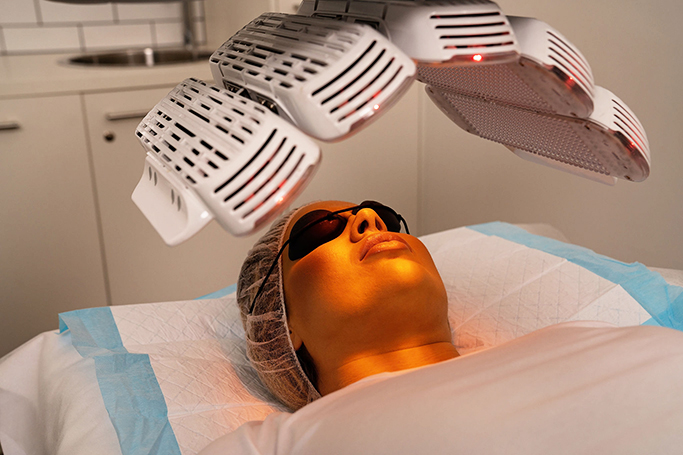
For those interested in incorporating PBM into their skincare routine, here are some practical tips to ensure the best results:
- Follow the Manufacturer’s Instructions: Each device may have different recommendations for usage frequency and duration.
- Use Consistently: Regular use is key to achieving and maintaining results.
- Combine with a Skincare Routine: While PBM can enhance the effects of your existing products, it should not replace them entirely.
- Protect Your Eyes: Many PBM devices require protective eyewear to prevent eye strain or damage.
- Monitor Your Skin’s Response: Pay attention to how your skin reacts and adjust your routine as needed.
Conclusion
Photobiomodulation therapy offers a scientifically supported approach to improving skin health and reversing the signs of aging. With its ability to stimulate cellular activity, enhance collagen production, and reduce inflammation, PBM provides a safe and effective alternative to traditional skincare treatments. Whether you're looking to reduce wrinkles, improve texture, or achieve a more even complexion, the evidence suggests that consistent use of PBM can yield noticeable and lasting results.
As research continues to evolve, the potential applications of photobiomodulation are expanding, offering new possibilities for skin rejuvenation and overall wellness. If you’re considering trying PBM, remember that consistency and proper technique are essential to maximizing its benefits. With the right approach, you can harness the power of light to achieve healthier, more radiant skin.

Post a Comment for "The Science-Backed Skin Benefits of Photobiomodulation Therapy"
Post a Comment