The Role of Thymosin Beta 4 in Recovery: Benefits and Applications
Recovery from injury, illness, or physical strain is a complex process that involves the body’s natural ability to heal itself. While the human body has remarkable regenerative capabilities, sometimes it needs a little extra support to achieve optimal results. One such compound gaining attention for its role in recovery is Thymosin Beta 4 (TB4). This naturally occurring peptide has shown promise in accelerating healing, reducing inflammation, and improving tissue repair. In this article, we’ll explore what Thymosin Beta 4 is, how it works, and its practical applications in recovery.
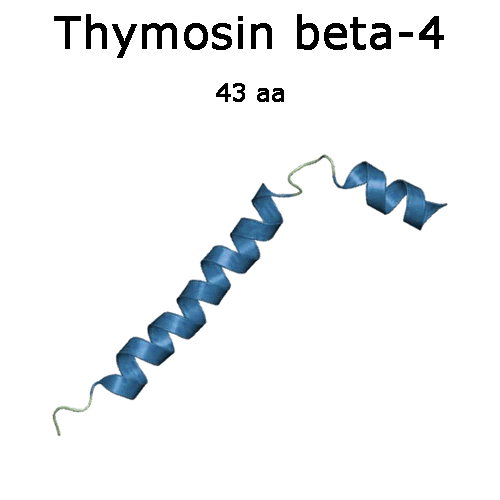
What Is Thymosin Beta 4?

Thymosin Beta 4 is a 43-amino-acid peptide found in nearly every cell in the human body. It was first identified in the thymus, an organ crucial for immune function, but its role extends far beyond immunity. TB4 plays a key part in tissue repair and regeneration by regulating cellular processes such as migration, angiogenesis, and inflammation control.
It is particularly active when the body experiences trauma, such as injuries or surgical procedures. During these times, TB4 is upregulated to help the body initiate the healing process. Unlike other peptides, TB4 has a unique ability to promote healing across multiple tissue types, including muscles, skin, nerves, and even the heart.
How Does Thymosin Beta 4 Work?

The mechanisms through which Thymosin Beta 4 supports recovery are multifaceted and highly effective. Here's a breakdown of its key actions:
- Promotes Cell Migration: TB4 binds to G-actin, a protein involved in the cytoskeleton, helping cells move to areas of damage. This allows fibroblasts and other repair cells to reach injured sites more efficiently.
- Encourages Angiogenesis: By stimulating the formation of new blood vessels, TB4 ensures that damaged tissues receive adequate oxygen and nutrients, which is essential for healing.
- Modulates Inflammation: TB4 reduces the production of pro-inflammatory molecules while enhancing anti-inflammatory responses, creating a balanced environment for tissue repair.
- Protects Mitochondria: The peptide helps maintain mitochondrial function, preventing cell death due to oxidative stress, which is common in injured or stressed tissues.
- Prevents Fibrosis: TB4 inhibits excessive scar tissue formation, preserving tissue flexibility and function after healing.
These properties make Thymosin Beta 4 a powerful tool in recovery, especially for those dealing with chronic conditions, sports injuries, or post-surgical healing.
Applications of Thymosin Beta 4 in Recovery

Thymosin Beta 4 has been studied extensively for its potential in various recovery scenarios. Here are some of the most notable applications:
1. Musculoskeletal Recovery
Whether you're recovering from a sports injury, tendon strain, or joint pain, TB4 can aid in faster healing. It promotes the repair of connective tissues, reduces inflammation, and enhances vascularization, which speeds up the recovery process.
Real-life example: Athletes often use TB4 to recover from injuries like sprains or ligament tears, allowing them to return to training sooner than with traditional methods alone.
2. Post-Surgical Healing
After surgery, the body needs time to heal, and TB4 can support this process. It helps reduce swelling, accelerates tissue regeneration, and minimizes scarring, making it a valuable adjunct in post-operative care.
3. Ocular Healing
TB4 has shown promise in treating eye injuries, such as corneal abrasions or dry eye syndrome. Its ability to promote epithelial cell migration and reduce inflammation makes it beneficial for restoring vision and comfort.
4. Cardiac Recovery
In cases of heart damage, such as after a heart attack, TB4 can support the healing of cardiac tissue. It stimulates the growth of new blood vessels, reduces inflammation, and helps preserve heart function.
5. Neurological Recovery
For individuals recovering from brain injuries or strokes, TB4 may play a role in neurorestoration. It supports the survival of neurons, promotes angiogenesis, and modulates inflammatory responses, which are all critical for recovery.
Safety and Availability
Thymosin Beta 4 is generally considered safe when used under professional guidance. It is available in various forms, including injections, oral supplements, and topical applications. However, it's important to note that not all formulations are created equal, and quality and purity can vary significantly.
While some countries allow over-the-counter access to certain forms of TB4, others regulate it as a prescription medication. Always consult with a healthcare provider before starting any treatment involving Thymosin Beta 4.
Conclusion
Thymosin Beta 4 is a powerful player in the field of regenerative medicine, offering a wide range of benefits for recovery. From musculoskeletal injuries to cardiac and neurological conditions, its ability to enhance healing, reduce inflammation, and prevent scarring makes it a valuable asset in modern healthcare. As research continues to uncover its full potential, TB4 is likely to become an even more integral part of recovery protocols.
If you're looking to optimize your healing process, consider discussing Thymosin Beta 4 with a qualified healthcare provider. With the right approach, it could be the key to faster, more effective recovery.

Post a Comment for "The Role of Thymosin Beta 4 in Recovery: Benefits and Applications"
Post a Comment