The Role of Specific Peptides in Cellular Repair and Regeneration
Cellular repair and regeneration are fundamental processes that sustain life, yet they often face challenges due to aging, injury, or disease. In recent years, the field of regenerative medicine has turned its attention to specific peptides—short chains of amino acids with remarkable potential to support tissue healing. These molecules are not only vital for biological functions but also hold promise as tools for medical innovation. This article explores how specific peptides contribute to cellular repair, their mechanisms of action, and their applications in various therapeutic contexts.

Understanding Peptides and Their Role in Healing
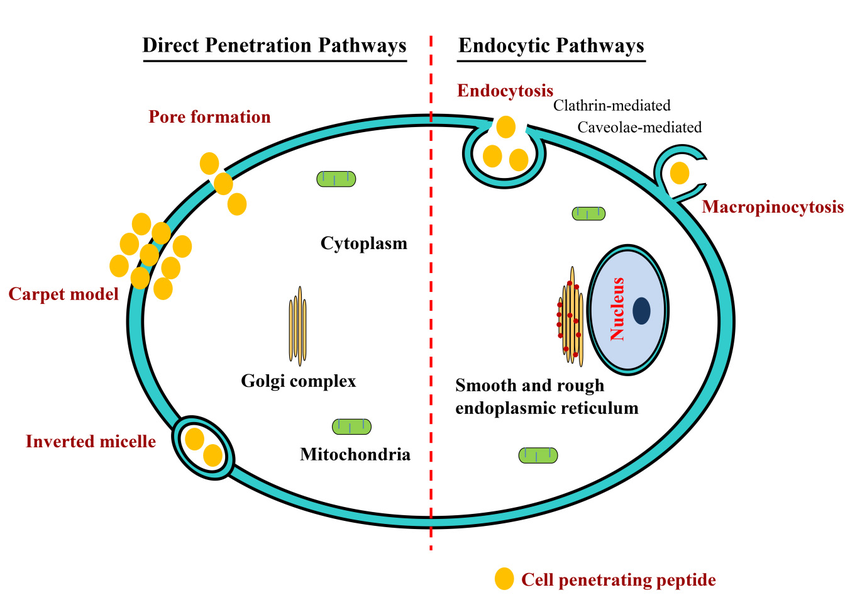
Peptides are small proteins composed of 2 to 50 amino acids linked by peptide bonds. Unlike larger proteins, which have complex three-dimensional structures, peptides are simpler in composition, making them easier to synthesize and manipulate. They act as signaling molecules, interacting with cells through receptors and pathways to regulate physiological processes such as inflammation, cell growth, and tissue repair.
In the context of cellular repair, peptides can function in multiple ways. Some mimic the activity of growth factors, while others serve as scaffolds to support tissue formation. Their versatility makes them valuable in both natural and synthetic systems, offering a unique approach to addressing tissue damage and degeneration.
Mechanisms of Cellular Repair via Peptides
1. Modulating Inflammatory Responses
Inflammation is a double-edged sword. While it plays a critical role in the body’s defense against injury, excessive or prolonged inflammation can hinder healing. Certain peptides, such as BPC-157 and Thymosin β4, help regulate this process by reducing pro-inflammatory cytokines and promoting anti-inflammatory responses. This creates a more favorable environment for tissue repair and reduces the risk of chronic inflammation.
2. Stimulating Cell Proliferation and Growth Factors
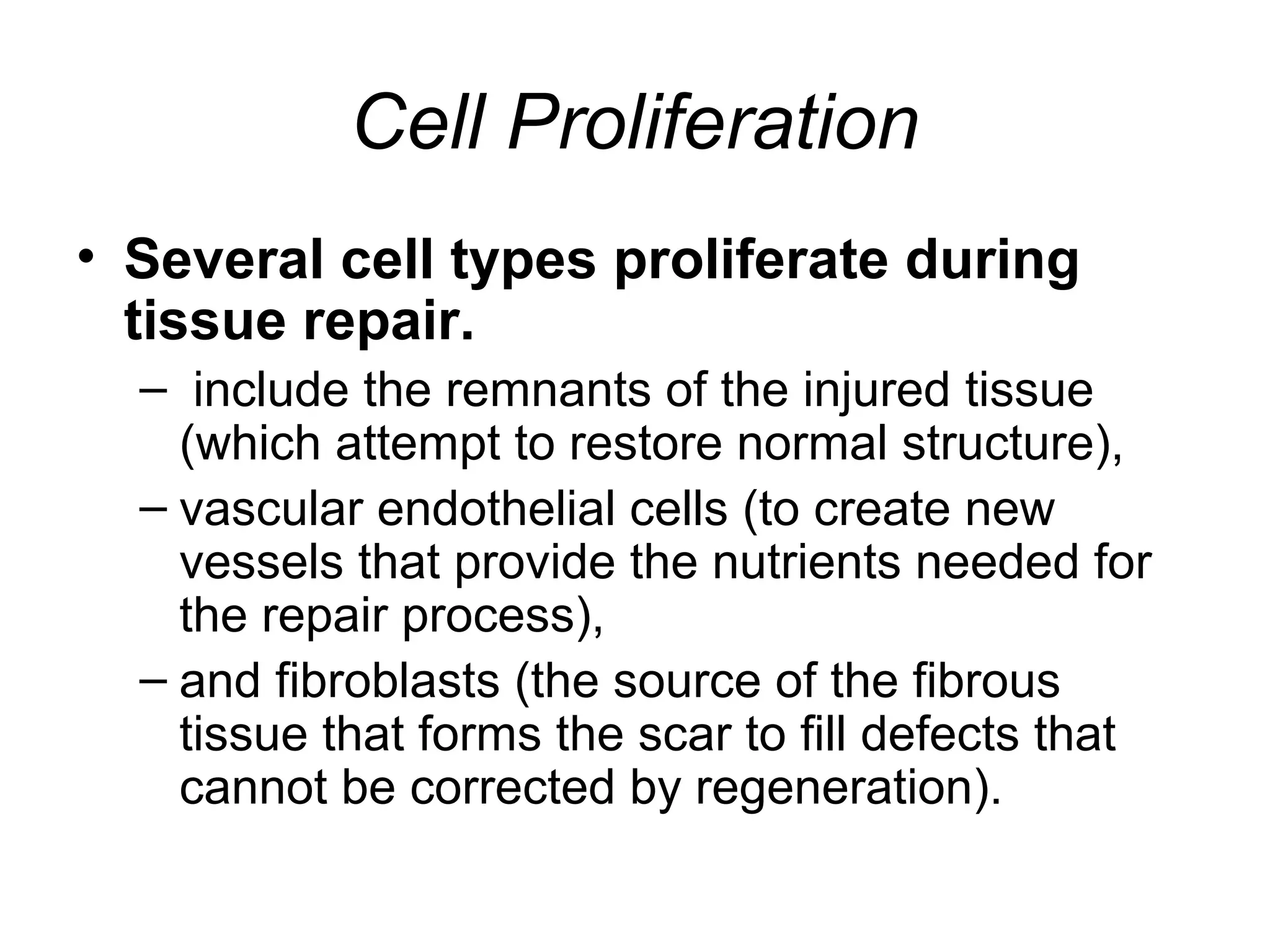
Peptides can enhance the production of growth factors like TGF-β1, VEGF, and BMPs, which are essential for cell proliferation and tissue regeneration. For example, GHK-Cu (glycyl-l-histidyl-l-lysine) stimulates collagen synthesis and supports fibroblast function, accelerating wound healing and skin repair. Similarly, BPC-157 promotes the activity of growth factors involved in muscle and tendon recovery.
3. Enhancing Angiogenesis
The formation of new blood vessels, known as angiogenesis, is crucial for delivering oxygen and nutrients to damaged tissues. Peptides such as GHK-Cu and PTH1-34 (parathyroid hormone 1-34) play a key role in this process. By stimulating vascular endothelial growth factor (VEGF), these peptides improve blood flow to injured areas, facilitating faster healing.
4. Antimicrobial and Protective Functions
Some peptides, like LL-37, act as antimicrobial agents, protecting wounds from infection while promoting tissue regeneration. These peptides also modulate the inflammatory response, ensuring that the healing process remains balanced and effective.
Applications of Specific Peptides in Medical Fields

1. Wound Healing
Chronic wounds, burns, and surgical incisions benefit significantly from the use of peptides. Collagen peptides, for instance, enhance cell migration, proliferation, and collagen deposition, leading to faster wound closure. LL-37 supports epithelial cell growth and extracellular matrix remodeling, aiding in the healing of skin and mucosal surfaces.
2. Musculoskeletal Repair
Peptides are increasingly being explored for their role in repairing tendons, ligaments, and muscles. BPC-157 and TB-500 are among the most studied for their ability to accelerate recovery from muscle tears, ligament sprains, and tendon damage. These peptides promote cellular regeneration and reduce inflammation, making them valuable in sports medicine and orthopedics.
3. Bone Regeneration
Peptides such as Teriparatide and Abaloparatide are synthetic forms of parathyroid hormone used to treat osteoporosis. They stimulate new bone formation and increase bone density by activating osteoblasts. Additionally, peptides like OP3-4 and WP9QY show promise in preventing cartilage degradation and promoting bone formation in conditions like osteoarthritis.
4. Skin Health and Anti-Aging
GHK-Cu, a copper-binding tripeptide, is widely used in skincare products for its ability to stimulate wound healing and collagen synthesis. It improves skin elasticity and has antioxidant and anti-inflammatory effects, making it a popular choice for anti-aging treatments.
Safety and Regulatory Considerations
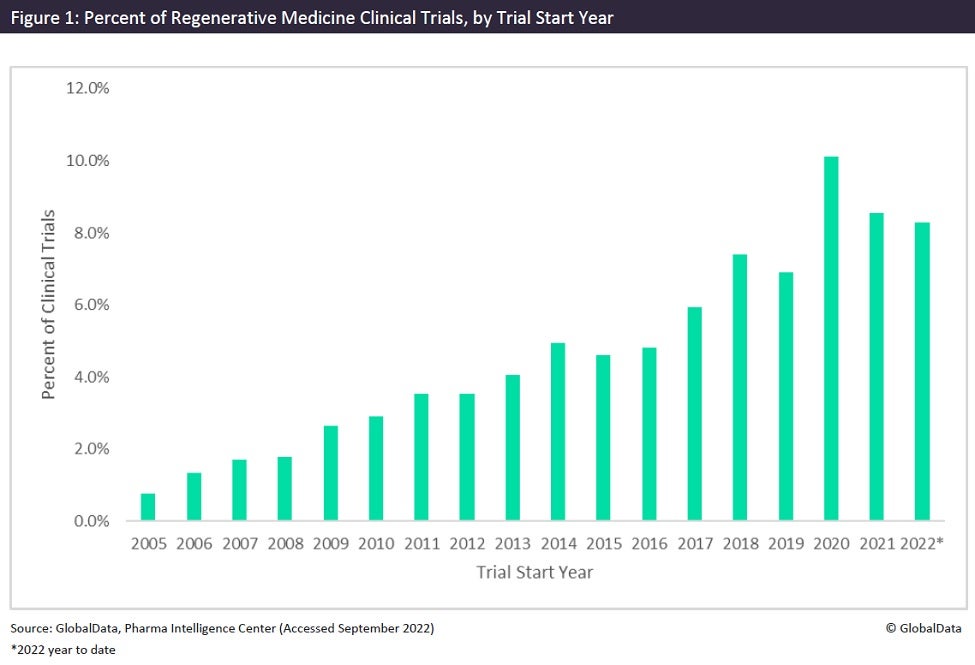
While peptides offer numerous benefits, their use requires careful consideration. They can be administered through various routes, including topical application, injections, and oral supplements. However, regulatory oversight varies, with some peptides approved as drugs and others sold as dietary supplements. It is important to consult healthcare professionals before using peptides, especially since long-term safety data is still limited.
Recent regulatory actions have also impacted the availability of certain peptides, particularly those from compounding pharmacies. As research continues, it is likely that more peptides will be evaluated for their efficacy and safety, leading to broader acceptance in clinical settings.
Conclusion
Specific peptides represent a powerful tool in the field of cellular repair and regeneration. From modulating inflammation to stimulating growth factors and enhancing angiogenesis, these molecules offer a multifaceted approach to tissue healing. Their applications span across wound healing, musculoskeletal repair, bone regeneration, and skin health, making them a promising area of research and development.
As scientists continue to uncover the full potential of peptides, their role in regenerative medicine is set to expand. With ongoing studies and advancements in technology, we may soon see even more innovative therapies that harness the power of these tiny but mighty molecules. Whether through targeted drug delivery or bioengineered scaffolds, the future of cellular repair looks brighter than ever.

Post a Comment for "The Role of Specific Peptides in Cellular Repair and Regeneration"
Post a Comment