The Importance of Telomere Health for Women and How to Improve It
As women navigate the complexities of aging, one of the most critical yet often overlooked aspects of health is telomere health. Telomeres are the protective caps at the ends of our chromosomes, and their length plays a significant role in determining how we age. Understanding and maintaining telomere health can have profound implications for women’s longevity, vitality, and overall well-being. This article explores the science behind telomeres, why they matter specifically for women, and practical steps to support their health.

What Are Telomeres and Why Do They Matter?
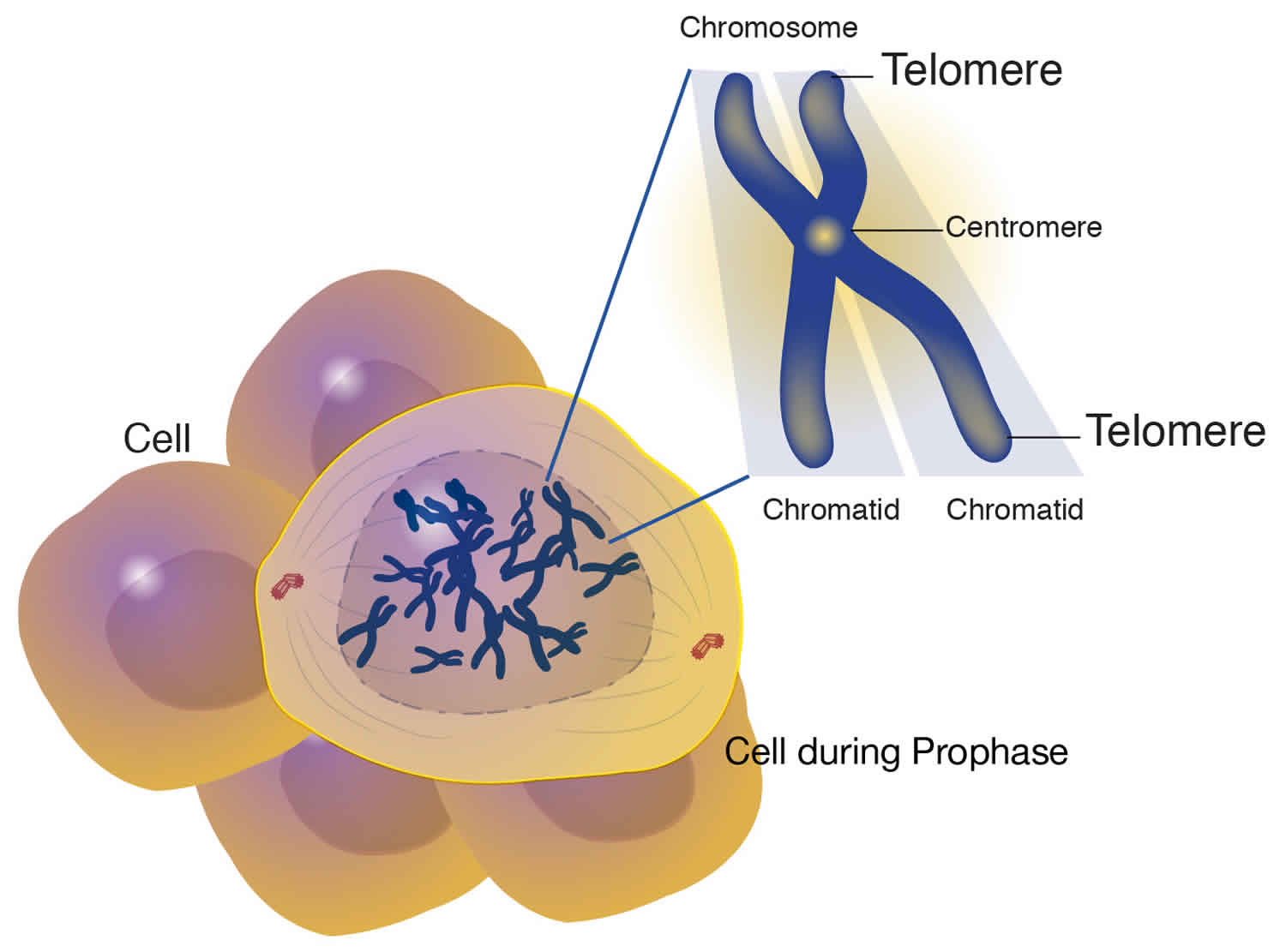
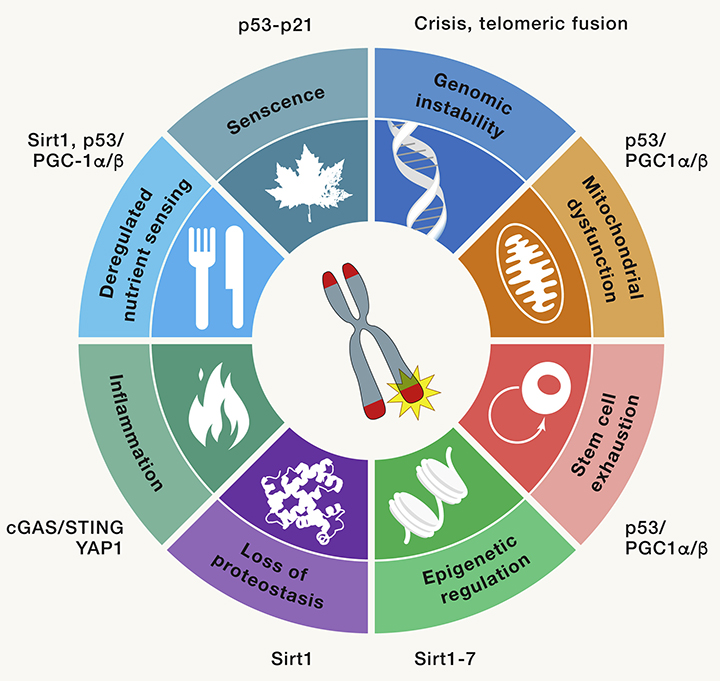
Telomeres are repetitive DNA sequences that protect the ends of chromosomes, much like the plastic tips on shoelaces prevent them from fraying. Every time a cell divides, the telomeres shorten slightly. When they become too short, the cell can no longer divide and may enter a state of senescence or die. This process is closely linked to aging and the development of age-related diseases.
For women, telomere health is particularly important due to the unique biological and hormonal changes they experience throughout their lives. From puberty through menopause, hormonal fluctuations can influence telomere dynamics, making it essential for women to be proactive about their cellular health.
Telomeres and Women's Aging
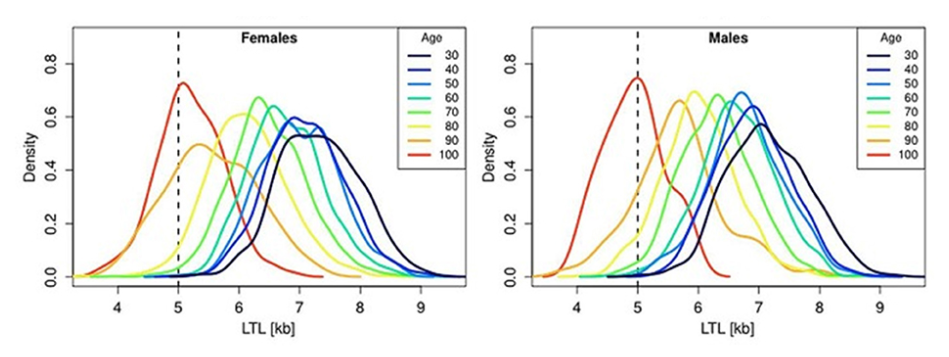
Research has shown that women generally have longer telomeres than men, which may contribute to their longer life expectancy. However, this advantage can be offset by factors such as stress, poor diet, and lifestyle choices. As women age, especially during and after menopause, the decline in estrogen levels can impact telomere maintenance, leading to accelerated aging and increased susceptibility to chronic conditions.
A study published in the journal Nutrients highlights the importance of understanding the relationship between telomere dynamics, nutrition, and women's health. The research emphasizes that while telomeres offer a biological marker of aging, their length can be influenced by various lifestyle factors, including diet, exercise, and stress management.
The Role of Nutrition in Telomere Health
Diet plays a crucial role in maintaining telomere length. A balanced diet rich in antioxidants, vitamins, and anti-inflammatory foods can help slow the rate of telomere shortening. Specific nutrients, such as vitamin C, vitamin E, and omega-3 fatty acids, have been shown to support telomere health.
Incorporating foods like leafy greens, berries, nuts, and fatty fish into your diet can provide the necessary nutrients to protect your telomeres. Additionally, reducing the intake of processed foods, sugary drinks, and unhealthy fats can further support telomere maintenance.
Some key dietary recommendations include:
- Eating the rainbow: Consuming a variety of colorful fruits and vegetables ensures a wide range of antioxidants and phytochemicals.
- Choosing healthy fats: Opt for sources like avocados, olive oil, and flaxseeds, which are rich in omega-3 fatty acids.
- Limiting sugar and processed foods: These can contribute to oxidative stress and accelerate telomere shortening.
Lifestyle Factors That Impact Telomere Health
Beyond nutrition, several lifestyle factors can influence telomere length. Chronic stress, lack of physical activity, and poor sleep are all associated with accelerated telomere shortening. For women, managing stress through mindfulness practices, meditation, or yoga can be particularly beneficial.
Regular physical activity is another key component of telomere health. Exercise has been shown to reduce oxidative stress and inflammation, both of which can contribute to telomere shortening. Aim for at least 150 minutes of moderate-intensity exercise per week, such as brisk walking, cycling, or swimming.
Sleep is also essential for telomere maintenance. During sleep, the body repairs damaged cells and clears out toxins. Aim for 7-9 hours of quality sleep each night to support overall health and telomere function.
The Power of Supplementation
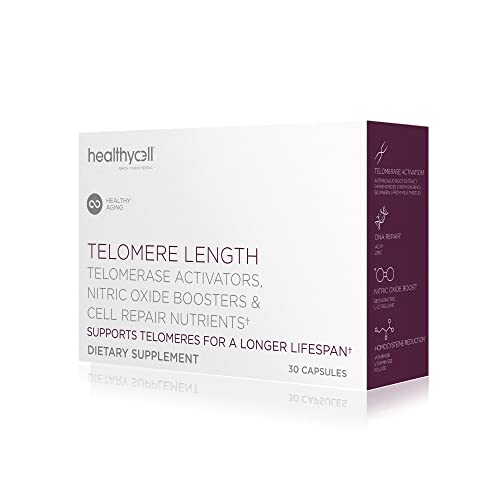
While a healthy diet and lifestyle form the foundation of telomere health, certain supplements can provide additional support. Vitamins like D and C, along with omega-3 fatty acids, have been shown to promote telomere stability. However, it's important to consult with a healthcare provider before starting any new supplement regimen to ensure safety and effectiveness.
Some popular supplements that may support telomere health include:
- Omega-3 fatty acids: Found in fish oil, these can reduce inflammation and support cellular health.
- Vitamin D: Essential for immune function and may help maintain telomere length.
- Antioxidants: Such as vitamin C and E, which combat oxidative stress and protect against cellular damage.
Managing Stress for Long-Term Telomere Health

Stress is a major contributor to telomere shortening. Chronic stress can lead to increased levels of cortisol, a hormone that promotes inflammation and accelerates cellular aging. For women, who often juggle multiple roles and responsibilities, managing stress is crucial for maintaining telomere health.
Practical stress-reduction strategies include:
- Mindfulness and meditation: These practices can lower cortisol levels and promote relaxation.
- Time management: Prioritizing tasks and setting realistic goals can reduce feelings of overwhelm.
- Social support: Connecting with friends, family, or support groups can provide emotional relief and reduce stress.
Conclusion
Telomere health is a vital aspect of women's overall well-being, influencing how we age and the risk of developing age-related diseases. By understanding the science behind telomeres and adopting a proactive approach to health, women can take meaningful steps to protect their cellular integrity. From nutrition and lifestyle choices to stress management and supplementation, there are numerous ways to support telomere health and enhance longevity.
As research continues to uncover the complexities of telomere biology, it becomes increasingly clear that taking care of our bodies today can have lasting benefits for our future. By prioritizing telomere health, women can empower themselves to live healthier, more vibrant lives.

Post a Comment for "The Importance of Telomere Health for Women and How to Improve It"
Post a Comment