The Best Prebiotic Foods for Better Digestion and Gut Health
Your gut is more than just a digestive organ—it's a complex ecosystem that plays a crucial role in your overall health. From immune function to mental well-being, the state of your gut microbiome affects nearly every aspect of your life. One of the simplest ways to support this delicate balance is through prebiotic foods. These natural ingredients feed the beneficial bacteria in your gut, promoting better digestion, stronger immunity, and even improved mood. In this article, we’ll explore the best prebiotic foods for digestion, how they work, and how to incorporate them into your daily routine.
What Are Prebiotics?
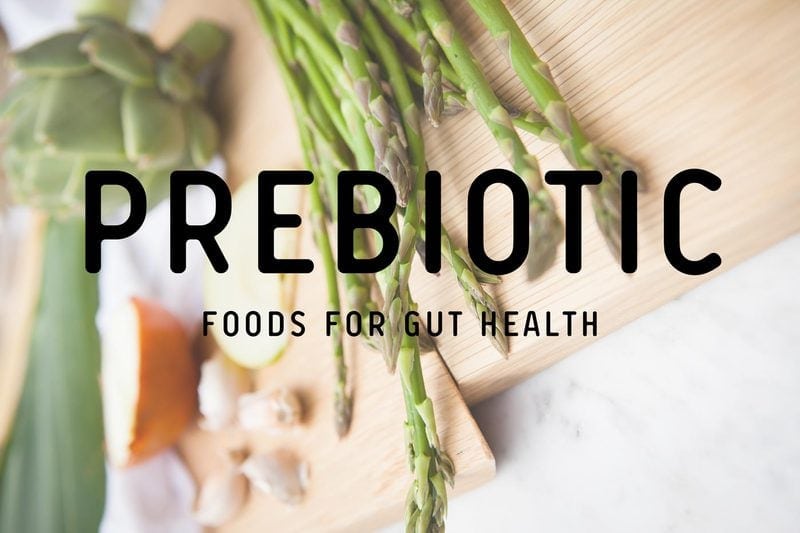
Prebiotics are non-digestible carbohydrates that serve as food for the good bacteria in your gut. Unlike probiotics, which introduce live bacteria into your system, prebiotics nourish the existing beneficial microbes, helping them thrive. This process supports a healthy gut microbiome, which is essential for proper digestion, nutrient absorption, and even weight management.
Common prebiotic sources include fruits, vegetables, whole grains, and certain types of honey. These foods contain fibers like inulin, fructooligosaccharides (FOS), and resistant starch, which pass through the digestive tract undigested and reach the colon, where they fuel the growth of friendly bacteria.
The Role of Prebiotics in Gut Health
A balanced gut microbiome is key to maintaining optimal digestive health. When you consume prebiotic-rich foods, you're essentially giving your gut bacteria the nutrients they need to multiply and function properly. This leads to several benefits, including:
- Improved digestion: Prebiotics help regulate bowel movements and reduce symptoms like bloating and gas.
- Enhanced immunity: A significant portion of your immune system resides in your gut, and a healthy microbiome can boost your body’s defenses.
- Better mental health: Research suggests a strong connection between gut health and brain function, often referred to as the gut-brain axis.
By incorporating prebiotic foods into your diet, you can take proactive steps toward long-term digestive wellness.
Top Prebiotic Foods for Digestion
Here are some of the most effective prebiotic foods you can add to your meals:
1. Bananas
Bananas are one of the easiest and most accessible prebiotic foods. They contain a type of fiber called pectin, which acts as a prebiotic and supports the growth of beneficial gut bacteria. For maximum benefit, choose slightly under-ripe bananas, as they have higher levels of resistant starch.
2. Garlic and Onions
Allium vegetables like garlic and onions are rich in inulin, a prebiotic fiber that promotes the growth of bifidobacteria—good bacteria that support gut health. These ingredients are also known for their anti-inflammatory properties, making them a great addition to soups, stews, and roasted dishes.
3. Asparagus
Asparagus is packed with prebiotic fibers, particularly inulin. It also contains antioxidants and other nutrients that contribute to overall health. Whether grilled, steamed, or added to salads, asparagus is a versatile and nutritious choice.
4. Chicory Root
Chicory root is one of the richest natural sources of inulin. It’s often used as a coffee substitute and has a slightly bitter taste. You can find chicory root in powdered form or as a supplement, but eating it raw or cooked also provides its prebiotic benefits.
5. Jerusalem Artichokes
Also known as sunchokes, these tubers are high in inulin and other prebiotic fibers. They have a nutty flavor and can be eaten raw in salads or roasted for a savory side dish.
6. Oats
Oats are a great source of beta-glucan, a type of soluble fiber that acts as a prebiotic. They’re also rich in antioxidants and can help lower cholesterol. Adding oats to your breakfast routine, whether as oatmeal or in baked goods, is an easy way to boost your prebiotic intake.
7. Apples
Apples contain pectin, a prebiotic fiber that supports gut health. They’re also high in vitamin C and other antioxidants. Eating apples raw or adding them to smoothies and salads is a simple way to get more prebiotics into your diet.
8. Dandelion Greens
These leafy greens are not only rich in vitamins and minerals but also contain inulin. They can be eaten raw in salads or sautéed for a flavorful side dish. Dandelion greens are also known for their detoxifying properties.
9. Legumes
Beans, lentils, and chickpeas are excellent sources of prebiotic fiber. They also provide protein and other essential nutrients. Incorporating legumes into your meals, such as in soups, stews, or salads, can significantly boost your prebiotic intake.
10. Manuka Honey
While not as commonly recognized as other prebiotic foods, Manuka honey contains natural prebiotic compounds called oligosaccharides. These help feed beneficial gut bacteria and support digestive wellness. Manuka honey is also known for its antibacterial properties, making it a unique and valuable addition to your diet.
How to Incorporate Prebiotics into Your Diet
Adding prebiotic foods to your meals doesn’t have to be complicated. Here are some practical tips:
- Start your day with oats or yogurt: Oats are a great source of prebiotic fiber, while yogurt contains probiotics that work synergistically with prebiotics.
- Snack on fruits and vegetables: Apples, bananas, and carrots are all easy snacks that provide prebiotic benefits.
- Use garlic and onions in cooking: These ingredients not only enhance flavor but also add prebiotic value to your meals.
- Try fermented foods: While not all fermented foods are prebiotic, some like sauerkraut and kimchi contain both probiotics and prebiotics.
- Enjoy Manuka honey: Add a spoonful of Manuka honey to your tea, yogurt, or smoothie for a natural prebiotic boost.
Precautions and Considerations
While prebiotic foods are generally safe, it’s important to note that increasing your fiber intake too quickly can cause digestive discomfort, such as bloating or gas. Start with small amounts and gradually increase your consumption over time. Additionally, if you have any underlying health conditions or are on medication, consult with a healthcare professional before making significant changes to your diet.
Conclusion
Maintaining a healthy gut is essential for overall well-being, and prebiotic foods play a vital role in supporting this balance. By incorporating a variety of prebiotic-rich foods into your daily routine, you can promote better digestion, strengthen your immune system, and even improve your mood. Whether you choose traditional options like bananas and garlic or opt for unique choices like Manuka honey, the key is consistency and variety. With a little effort, you can transform your gut health and enjoy the many benefits of a thriving microbiome.

Post a Comment for "The Best Prebiotic Foods for Better Digestion and Gut Health"
Post a Comment