The Benefits of Prebiotic Fiber Supplements for Gut Health
If you're looking to improve your digestive health, boost your immune system, or even support better mental well-being, prebiotic fiber supplements might be the key. These supplements are designed to nourish the beneficial bacteria in your gut, which play a crucial role in maintaining overall health. In this article, we'll explore what prebiotics are, how they work, and why they're essential for a healthy gut. We’ll also look at some of the best options available on the market today.

What Are Prebiotics?

Prebiotics are a type of dietary fiber that the human body cannot digest. Instead, they serve as food for the beneficial bacteria in your gut, known as probiotics. These bacteria ferment the prebiotics, producing short-chain fatty acids (SCFAs) that have numerous health benefits. SCFAs help maintain the integrity of the gut lining, reduce inflammation, and support the immune system.
Unlike probiotics, which are live bacteria, prebiotics are non-digestible carbohydrates that pass through the digestive system undigested until they reach the colon. There, they are fermented by the gut microbiota, promoting the growth of beneficial bacteria. This process is essential for maintaining a balanced gut microbiome, which is linked to improved digestion, better immunity, and even enhanced mental health.
The Role of Prebiotic Fiber in Gut Health

The gut microbiome is a complex ecosystem composed of trillions of microorganisms, including bacteria, viruses, and fungi. These microbes play a vital role in various bodily functions, such as nutrient absorption, immune regulation, and even mood control. A healthy gut microbiome is essential for overall well-being, and prebiotic fiber supplements can help achieve this balance.
One of the primary benefits of prebiotic fiber is its ability to promote the growth of beneficial bacteria like Bifidobacteria and Lactobacilli. These bacteria are known for their role in supporting digestive health, reducing inflammation, and enhancing immune function. By feeding these good bacteria, prebiotic fiber helps maintain a thriving gut environment.
Additionally, prebiotic fiber can improve bowel regularity and reduce symptoms of digestive disorders such as irritable bowel syndrome (IBS) and constipation. Studies have shown that certain types of prebiotics, like inulin and fructooligosaccharides (FOS), can help regulate bowel movements and alleviate discomfort.
Key Health Benefits of Prebiotic Fiber Supplements
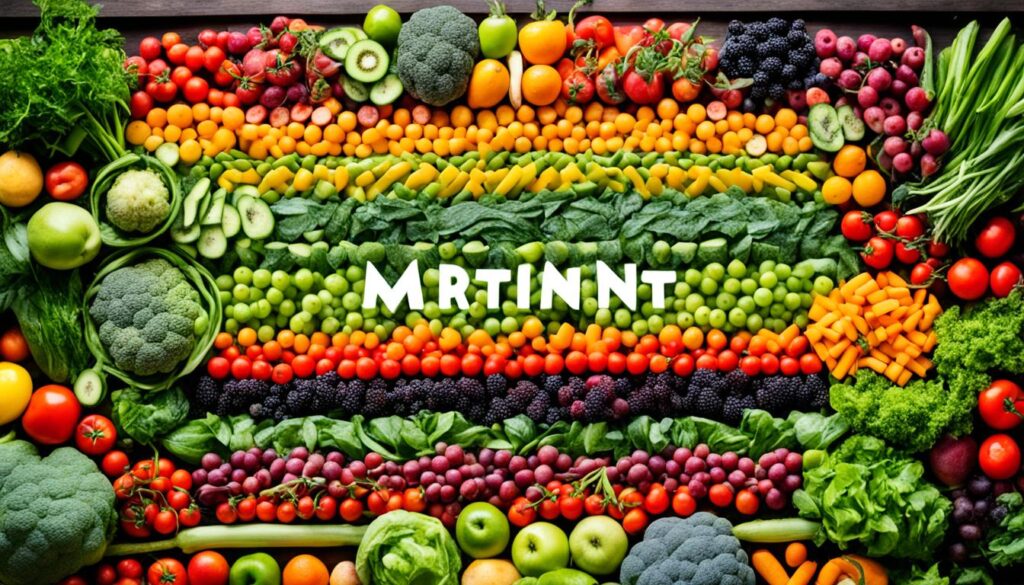
- Improved Digestive Health: Prebiotic fiber supports the growth of beneficial bacteria that aid in digestion, helping to break down food more efficiently and reduce symptoms of bloating, gas, and constipation.
- Enhanced Immune Function: The gut is home to a significant portion of the body's immune system. By promoting a healthy gut microbiome, prebiotic fiber can enhance immune responses and reduce the risk of infections.
- Better Metabolic Health: Some studies suggest that prebiotic fiber may help regulate blood sugar levels and improve cholesterol profiles, making it beneficial for individuals with metabolic conditions like diabetes and high cholesterol.
- Mental Health Support: The gut-brain axis is a bidirectional communication network between the gut and the brain. A healthy gut microbiome, supported by prebiotic fiber, can positively influence mood and cognitive function, potentially reducing symptoms of anxiety and depression.
Choosing the Right Prebiotic Fiber Supplement
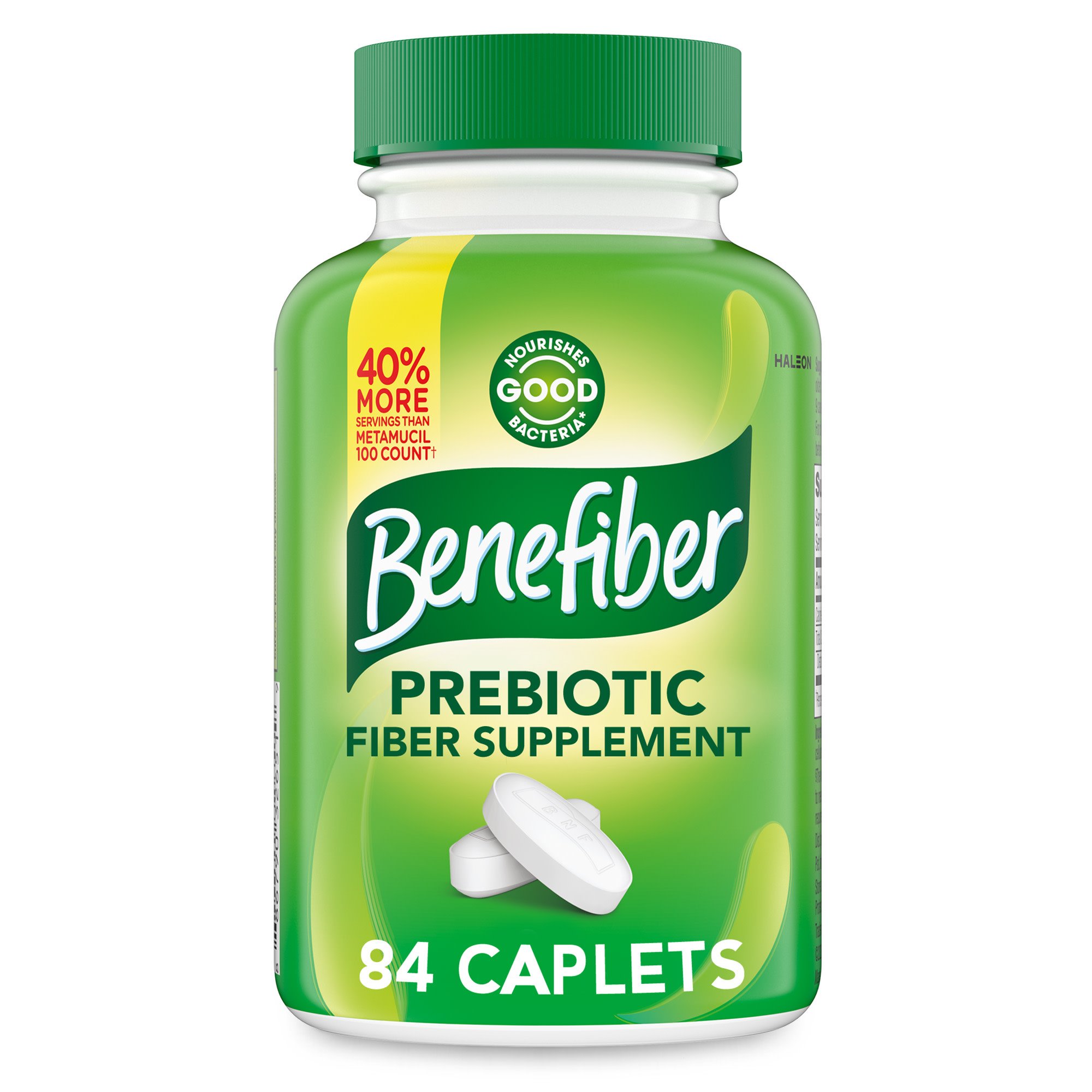
With so many options available, selecting the right prebiotic fiber supplement can be overwhelming. Here are some factors to consider:
- Type of Fiber: Different prebiotic fibers offer unique benefits. For example, inulin and FOS are excellent for improving digestion, while psyllium husk is great for promoting regularity.
- Quality and Purity: Look for supplements that are third-party tested and certified for quality. Brands like Thorne, InnerFuel, and Sunfiber are known for their rigorous testing and high-quality standards.
- Tolerability: Some people may experience bloating or gas when starting a new fiber supplement. Opt for gentle formulas like those containing acacia fiber or guar gum, which are easier on the digestive system.
- Form and Flavor: Prebiotic fiber supplements come in various forms, including powders, capsules, and gels. Choose a form that fits your lifestyle and preferences. Unflavored options are ideal for mixing into beverages without altering taste.
Top Prebiotic Fiber Supplements for Gut Health

- Thorne FiberMend: This premium supplement combines multiple prebiotic fiber sources, including acacia, guar gum, and fruit fibers, to support both regularity and microbiome health. It’s NSF Certified for Sport, ensuring high-quality standards.
- InnerFuel Prebiotic Fiber: Ideal for those with sensitive digestion, InnerFuel uses acacia fiber and guar gum to provide a gentle, well-tested option. It dissolves easily and has minimal side effects.
- Sunfiber (PHGG): Clinically studied and low-FODMAP certified, Sunfiber is an excellent choice for individuals with IBS or other digestive issues. It improves stool consistency and supports healthy gut bacteria.
- Yerba Prima Psyllium Husk: A simple, organic option that promotes regularity and supports heart health. It’s versatile and easy to incorporate into daily routines.
- NOW Foods Prebiotic Fiber: Containing Fibersol-2, this supplement supports metabolic health and is easy to mix into drinks. It offers a good balance of quality and affordability.
Practical Tips for Incorporating Prebiotic Fiber into Your Diet

In addition to supplements, you can also increase your prebiotic intake through diet. Foods rich in prebiotic fiber include:
- Chicory root
- Jerusalem artichoke
- Bananas
- Garlic
- Onions
- Oats
- Legumes
To get the most benefit, aim to consume a variety of these foods throughout the day. If you’re using supplements, start with a small dose and gradually increase to avoid digestive discomfort. Always drink plenty of water to help the fiber move through your system smoothly.
Conclusion
Prebiotic fiber supplements are a powerful tool for supporting gut health and overall well-being. By nourishing the beneficial bacteria in your gut, they can improve digestion, boost immunity, and even enhance mental health. With a wide range of options available, there’s a supplement to suit every need and preference. Whether you choose a high-quality powder, a gentle formula, or a clinically studied option, incorporating prebiotic fiber into your routine can lead to lasting health benefits. As always, consult with a healthcare professional before starting any new supplement regimen to ensure it’s right for you.

Post a Comment for "The Benefits of Prebiotic Fiber Supplements for Gut Health"
Post a Comment