How to Stay Productive Without Falling into Digital Burnout
In today’s hyper-connected world, productivity often comes at a cost. The constant stream of emails, notifications, and deadlines can leave even the most disciplined professionals feeling drained. For digital nomads, remote workers, and anyone juggling work and life on the go, the risk of digital burnout is real. But it doesn’t have to be inevitable. With the right strategies, you can stay productive without sacrificing your well-being.
This article explores practical, actionable steps to help you maintain focus, avoid exhaustion, and enjoy the freedom of a flexible lifestyle—without the mental and physical toll that comes with constant connectivity.
Set Clear Work Boundaries
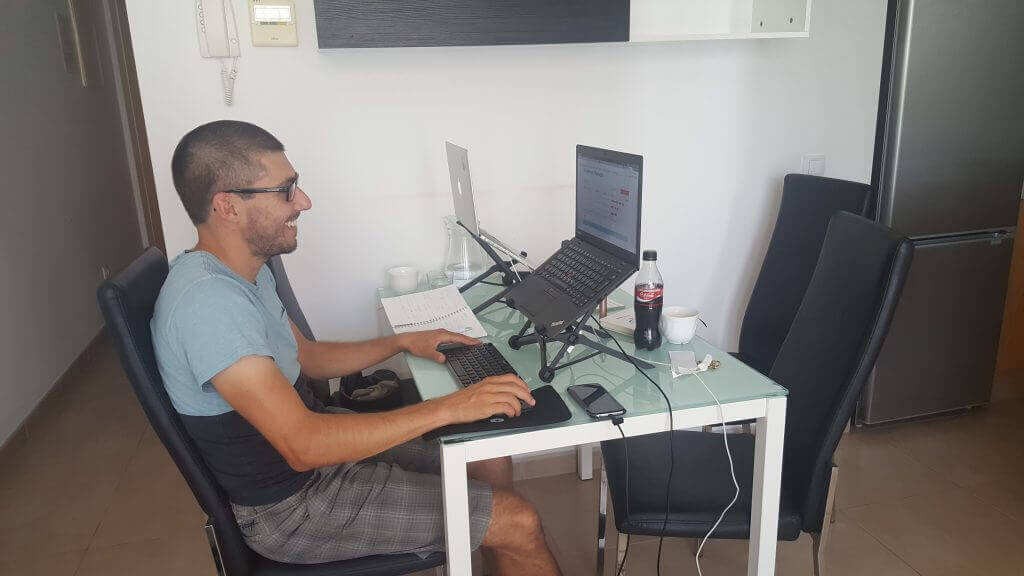
One of the biggest challenges of working remotely or from anywhere is the lack of clear separation between work and personal time. When your workspace is your couch, your bedroom, or a co-working space, it’s easy to fall into the trap of working 24/7.
A 2021 survey by ADP found that remote employees average 9.4 unpaid overtime hours per week. This blurring of boundaries not only leads to burnout but also reduces overall productivity. To avoid this, define your work hours and stick to them. Communicate these hours to clients, colleagues, and even friends and family.
For example, if you’re in Thailand and collaborating with clients in New York, you might set your work hours from 10:00 PM to 6:00 AM local time to match their 9:00 AM to 5:00 PM schedule. Use tools like vacation responders, separate device profiles for work and personal use, and turn off non-essential notifications after hours.
Creating a routine to signal the end of your workday—like closing your laptop, taking a walk, or changing into casual clothes—can help your brain transition from “work mode” to “personal time.”
Create Location-Based Routines

For digital nomads, the constant change of scenery can be both exciting and exhausting. Without a stable environment, it’s easy to feel ungrounded. That’s why establishing location-based routines is crucial.
Whether you're in Lisbon, Chiang Mai, or Bali, create habits that anchor you to your surroundings. This could be a morning yoga session, a walk through a local park, or simply enjoying a coffee at a nearby café. These small rituals help you feel more connected to your environment and reduce the stress of constant movement.
As Leigh Matthews, a therapist based in Barcelona, notes, “When everything around you is changing, internal consistency becomes your anchor.” Even a few minutes of mindfulness, journaling, or meditation can make a big difference in your mental clarity and emotional stability.
Use 90-Minute Work Cycles

Your brain naturally operates in 90-minute cycles of intense focus followed by a period of rest. Ignoring these rhythms can lead to mental fatigue and reduced productivity. By structuring your day around these cycles, you can work smarter—not harder.
Research by sleep scientist Nathaniel Kleitman showed that the human body has “basic rest-activity cycles (BRAC)” that regulate energy levels. During the first 90 minutes of a cycle, your alertness and focus are at their peak. After that, your brain needs a break to recharge.
To maximize this pattern, schedule your most demanding tasks during your peak focus periods and take a 15–20 minute break afterward. Tools like Focus Booster or Forest can help you stay on track, while simple activities like stretching, walking, or meditating during breaks can keep your energy levels steady.
Build a Burnout Warning System

Burnout doesn’t happen overnight—it starts with subtle signs like fatigue, irritability, and difficulty concentrating. Learning to recognize these early warning signals can help you make adjustments before things spiral out of control.
Physical symptoms may include headaches, insomnia, or a weakened immune system. Emotional signs could be increased anxiety, mood swings, or a loss of interest in previously enjoyable activities. Behavioral changes might involve missed deadlines, declining productivity, or withdrawal from social interactions.
To stay ahead of burnout, consider using a weekly journal to track your energy levels and mood. Pair this with a color-coded calendar to visualize your workload and identify areas where you need to slow down. Tools like RescueTime can also provide insights into how you spend your time online.
Take Short Cultural Breaks

While it’s easy to get caught up in work, taking short cultural breaks can help you reset and recharge. These aren’t just about sightseeing—they’re opportunities to engage with the local community and gain fresh perspectives.
Visit a local market, try street food, or attend a cultural event. Even a quick walk through a neighborhood or a conversation with a local vendor can provide a much-needed mental break. Public transportation can also offer a glimpse into daily life, helping you connect with the place you’re in.
These small moments of connection can do wonders for your creativity and motivation, making it easier to return to work with renewed energy.
Follow a Consistent Sleep Schedule

Sleep is the foundation of productivity and well-being. For digital nomads, who often deal with shifting time zones and unfamiliar environments, maintaining a consistent sleep schedule is essential.
Try to go to bed and wake up at the same time every day, even when traveling. This helps regulate your body’s internal clock. Use blackout curtains, white noise apps, or earplugs to create a sleep-friendly environment. Avoid caffeine and screen time before bed, and consider melatonin supplements if needed.
As Sunset Coder, a digital nomad, puts it, “The key is setting boundaries—your team needs to understand that you can’t be functional at both 3am local and 3pm local on the same day!”
Build a 3-Level Support Network

No one should have to navigate the challenges of a nomadic lifestyle alone. A strong support network can make all the difference in preventing burnout and staying grounded.
Create a 3-level support system:
- Local Connections: Join coworking spaces, attend meetups, or connect with locals through social media.
- Professional Network: Stay in touch with colleagues, mentors, and industry peers via LinkedIn or virtual events.
- Personal Relationships: Maintain regular communication with family and friends through video calls or messages.
These connections provide emotional support, professional opportunities, and a sense of belonging, helping you thrive in any environment.
Schedule Weekly Digital Breaks

Even the most disciplined professionals need time away from screens. Scheduling regular digital breaks can help you recharge and avoid the mental fatigue that comes with constant connectivity.
Choose one day a week to completely disconnect—whether it’s a Sunday or another day that fits your schedule. Use this time to explore your surroundings, read a book, or practice mindfulness. You can also incorporate short daily breaks throughout the day to reset your focus.
Tools like BlockSite or Forest can help you stay offline during these times, while apps like Calm or Headspace can guide you through relaxation exercises.
Plan Your Nutrition on the Road

Eating well while traveling doesn’t have to be complicated. With a little planning, you can maintain your energy levels and avoid burnout, even with minimal kitchen access.
Buy fresh produce, pack healthy snacks, and explore local markets for nutritious meals. Choose grilled or steamed dishes over fried options, and balance your meals with fruits, vegetables, and protein.
For travel days, pack high-protein snacks like nuts, yogurt, or hard-boiled eggs. And don’t forget to stay hydrated—carry a refillable water bottle and avoid sugary drinks.
Review Your Lifestyle Monthly

Finally, take time each month to reflect on your habits and adjust as needed. A monthly review can help you stay on track with your goals and maintain a healthy balance.
Evaluate your workload, boundaries, and work-life balance. Are you consistently working beyond your set hours? Are you prioritizing self-care and meaningful relationships? Adjust your routines accordingly, whether that means tightening your boundaries, exploring new connections, or slowing down your travel pace.
This habit of reflection ensures that you’re not just surviving—you’re thriving in your nomadic lifestyle.
Conclusion
Avoiding burnout as a digital nomad isn’t about perfection—it’s about creating habits that protect your well-being while embracing the freedom of working from anywhere. By setting clear boundaries, building routines, and taking regular breaks, you can stay productive without sacrificing your health.
Remember, the goal isn’t to eliminate technology—it’s to use it in a way that supports your goals, not overwhelms you. With the right mindset and strategies, you can enjoy the benefits of a flexible lifestyle while staying balanced and energized.

Post a Comment for "How to Stay Productive Without Falling into Digital Burnout"
Post a Comment