How to Relieve Tech-Induced Stress: Practical Tips for a Balanced Digital Life
In today’s hyper-connected world, technology is both a lifeline and a source of stress. From constant notifications to endless scrolling, the digital age has introduced new challenges that can disrupt our mental well-being. The good news is that there are effective strategies to manage and relieve tech-induced stress. This article explores practical, actionable tips to help you reclaim your time, reduce anxiety, and restore balance in your life.

Understanding Tech-Induced Stress

Tech-induced stress arises from the overuse or misuse of digital devices and platforms. It can manifest in various ways, such as:
- Fatigue: Constant connectivity can lead to mental exhaustion.
- Anxiety: Fear of missing out (FOMO) and the pressure to respond immediately can heighten stress levels.
- Poor Sleep: Blue light from screens can interfere with sleep patterns.
- Reduced Focus: Frequent interruptions make it hard to concentrate on tasks.
According to a 2024 study, short-term digital detox interventions significantly reduced depressive symptoms, though results for stress and life satisfaction varied. The key takeaway is that while technology offers many benefits, it's essential to use it mindfully to avoid its negative effects.
Setting Intentions and Boundaries

A successful approach to relieving tech-induced stress starts with setting clear intentions and boundaries. Here are some steps to consider:
- Assess Your Usage: Track your screen time for a few days to understand your habits. Note when and why you engage with your devices.
- Set Realistic Goals: Define specific, measurable goals, such as limiting social media use to 30 minutes per day or avoiding screens an hour before bedtime.
- Create a Plan: Develop a structured plan that includes designated device-free times and zones. For example, keep your phone out of the bedroom to promote better sleep.
By setting these boundaries, you take control of your digital habits rather than letting them control you.
Implementing Supportive Strategies
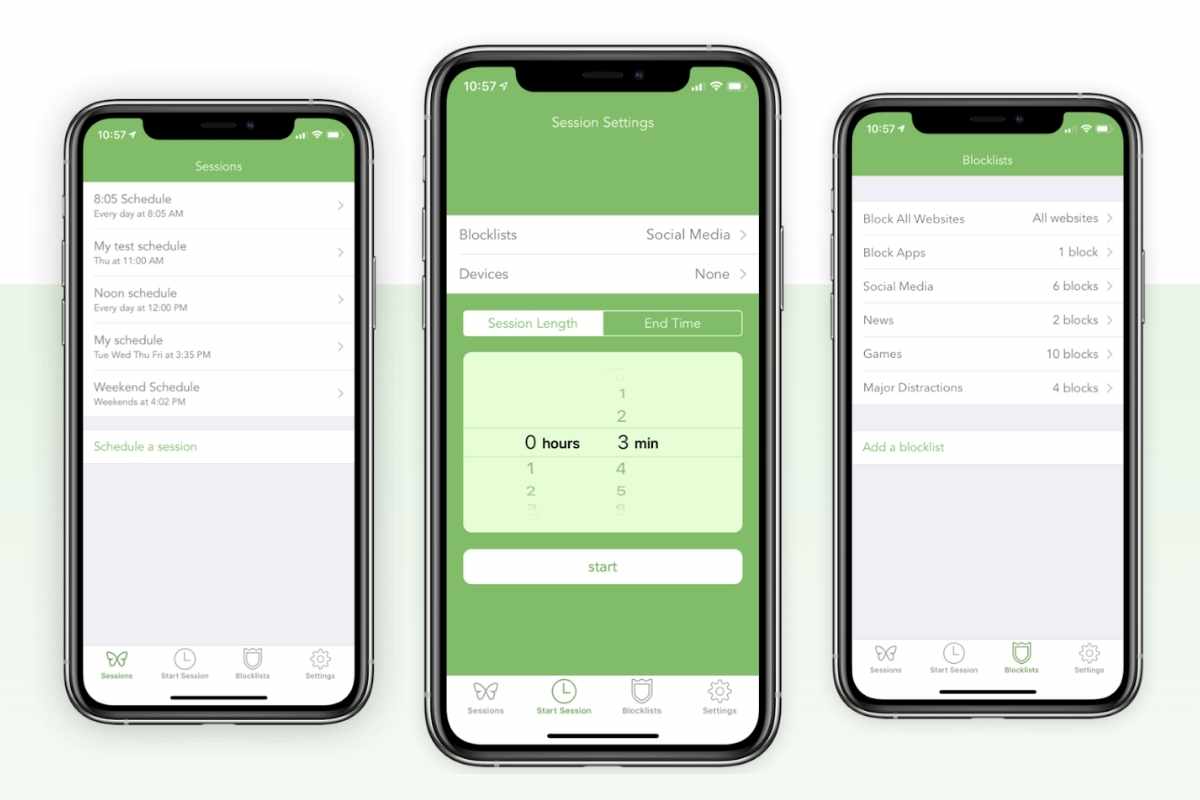
Once you have a plan, implementing supportive strategies can make the transition smoother. Consider the following:
- Designate Device-Free Zones: Create areas in your home where devices are not allowed, such as the dining table or bedroom.
- Disable Notifications: Reduce the number of alerts you receive to minimize distractions and mental clutter.
- Use Focus Tools: Apps like Forest or Cold Turkey can help you stay focused by blocking distracting websites or apps.
- Replace Digital Activities: Substitute screen time with offline activities such as reading, journaling, or spending time outdoors.
These strategies not only help reduce stress but also encourage more meaningful interactions and self-care.
Coping with Challenges

It's normal to experience some discomfort during the initial stages of a digital detox. Common challenges include boredom, FOMO, and restlessness. To manage these:
- Acknowledge Urges: Recognize that these feelings are part of the adjustment process and not a sign of deprivation.
- Schedule Offline Activities: Plan activities that keep you engaged and distracted, such as cooking, reading, or meeting friends face-to-face.
- Practice Mindfulness: Use techniques like deep breathing or grounding exercises to reduce anxiety and stay present.
By addressing these challenges thoughtfully, you can build resilience and maintain your new habits.
Reflection and Reintegration

After completing a digital detox, reflection is crucial for sustaining long-term benefits. Consider the following:
- Journal About Your Experience: Note what felt easy or difficult to identify deeper behavioral patterns.
- Decide What to Keep: Determine which digital habits to reintroduce and which to modify.
- Maintain Healthy Routines: Incorporate sustainable practices such as keeping devices out of the bedroom or scheduling specific times for checking emails or social media.
Regular reflection helps you stay accountable and adjust your strategies as needed.
When to Seek Professional Help

While many people can manage digital detox routines on their own, there are instances where professional support may be beneficial. Consider seeking therapy if:
- Digital use feels compulsive or uncontrollable.
- You experience signs of anxiety, low mood, or loneliness linked to online behavior.
- Relationships or work performance are affected by excessive device use.
Therapists can help identify the psychological needs underlying excessive digital engagement and guide you toward healthier coping mechanisms.
Conclusion
Relieving tech-induced stress is about finding a balance between using technology and maintaining your mental well-being. By setting intentions, implementing supportive strategies, and reflecting on your experiences, you can create a more mindful relationship with technology. Remember, the goal is not to eliminate technology but to use it in a way that enhances your life rather than detracts from it. Start small, stay consistent, and enjoy the benefits of a more balanced digital life.

Post a Comment for "How to Relieve Tech-Induced Stress: Practical Tips for a Balanced Digital Life"
Post a Comment