How to Manage Prediabetes in Women: Essential Tips and Strategies

Prediabetes is a condition that affects millions of people, particularly women, and often goes unnoticed until it leads to more serious health complications. If you're a woman concerned about your risk of developing type 2 diabetes, understanding how to manage prediabetes is crucial. This article will provide you with practical, science-backed strategies to reverse prediabetes and protect your long-term health.
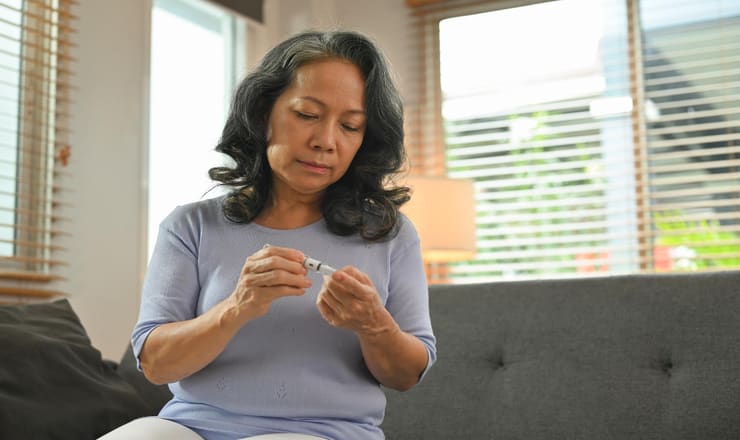
Understanding Prediabetes in Women
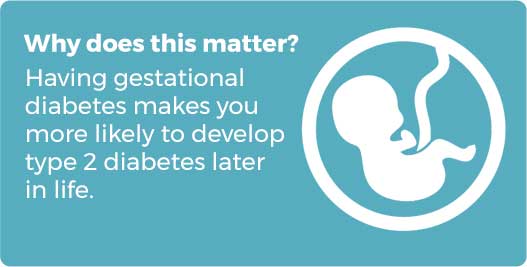
Prediabetes occurs when your blood sugar levels are higher than normal but not high enough to be diagnosed as diabetes. It's a critical warning sign that your body is struggling to regulate glucose effectively. For women, this condition can have unique implications due to hormonal differences and other factors.
According to research, stress can nearly double a woman's risk of developing type 2 diabetes. Hormonal fluctuations, such as those during menopause or pregnancy, can also impact insulin sensitivity. Additionally, women are more likely to experience specific symptoms like frequent yeast infections, changes in menstrual cycles, and vaginal dryness, which may signal underlying issues with blood sugar regulation.
It’s important to note that over 80% of people with prediabetes are unaware they have it. This is why regular screenings and awareness are so vital for women, especially those with risk factors such as a family history of diabetes, being overweight, or having polycystic ovary syndrome (PCOS).
Recognizing the Signs of Prediabetes in Women

While many prediabetes symptoms are similar for both men and women, there are some indicators that are more common in women. These include:
- Frequent yeast infections: High blood sugar can create an environment where yeast thrives.
- Changes in menstrual cycles: Irregular periods may be linked to insulin resistance.
- Vaginal dryness: Hormonal imbalances caused by prediabetes can lead to discomfort.
- Excessive thirst and fatigue: These are general signs of elevated blood sugar levels.
Other common symptoms include frequent urination, unexplained weight loss, and blurred vision. However, these symptoms are often subtle and may go unnoticed.
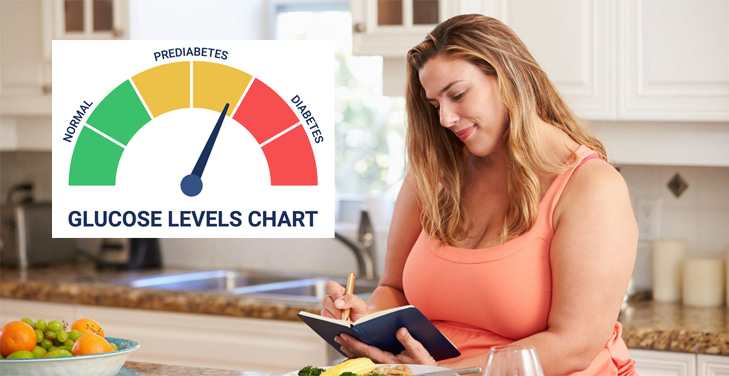
If you're experiencing any of these signs, it's essential to consult your healthcare provider for proper testing. The A1C test is a simple way to measure your average blood sugar levels over the past three months. A result between 5.7% and 6.4% indicates prediabetes, while 6.5% or higher suggests diabetes.
Key Strategies for Managing Prediabetes in Women

Managing prediabetes requires a combination of lifestyle changes, medical monitoring, and emotional well-being. Here are some effective strategies to consider:
1. Adopt a Healthy Diet
Eating the right foods can significantly impact your blood sugar levels. Focus on whole, unprocessed foods such as:
- Vegetables (especially leafy greens)
- Whole grains (like brown rice and quinoa)
- Lean proteins (such as chicken, fish, and legumes)
- Healthy fats (including avocados and nuts)
Avoid or limit: - Sugary snacks and drinks - Processed foods high in refined carbohydrates - White bread, pasta, and other refined grains
A plant-based diet has been shown to help with weight management and improve insulin sensitivity. Small dietary changes, like swapping sugary beverages for water or herbal tea, can make a big difference over time.
2. Stay Physically Active
Regular exercise is one of the most powerful tools for managing prediabetes. Aim for at least 30 minutes of moderate-intensity activity five days a week. Activities like walking, cycling, swimming, or yoga can all help improve insulin function and reduce blood sugar levels.
Even small increases in physical activity, such as taking the stairs instead of the elevator or going for a short walk after meals, can have a positive impact.
3. Lose Weight Gradually
Weight loss, even modest amounts, can greatly improve your body's ability to process glucose. Losing just 7% of your total body weight can significantly reduce your risk of progressing to type 2 diabetes.
Focus on sustainable habits rather than quick fixes. A balanced diet combined with regular movement is the best approach for long-term success.
4. Manage Stress
Stress can wreak havoc on your body, including your blood sugar levels. Chronic stress can increase cortisol, a hormone that raises blood sugar. Techniques like meditation, deep breathing, or journaling can help you manage stress more effectively.
Prioritize self-care by setting aside time for activities you enjoy, such as reading, listening to music, or spending time in nature.
5. Get Regular Screenings
Early detection is key to preventing the progression of prediabetes. Talk to your doctor about getting tested if you have risk factors like a family history of diabetes, PCOS, or gestational diabetes.
Annual check-ups and regular A1C tests can help you track your progress and make necessary adjustments to your lifestyle.
Reversing Prediabetes: What You Can Do

The good news is that prediabetes can often be reversed with the right approach. Studies show that lifestyle changes—such as eating healthier, exercising regularly, and losing weight—can return blood sugar levels to normal within three to six months.
Here are some actionable steps to take:
- Follow a structured meal plan that focuses on balanced nutrition and portion control.
- Join a support group or work with a registered dietitian to stay on track.
- Track your progress using a food diary or mobile app to monitor your eating habits and physical activity.
- Set realistic goals and celebrate small victories along the way.
Remember, reversing prediabetes is a journey, not a sprint. Be patient with yourself and stay committed to your health.
The Role of Healthcare Providers
Working closely with your healthcare team is essential in managing prediabetes. They can help you develop a personalized plan based on your medical history, lifestyle, and goals. Some women may benefit from medications, but lifestyle changes remain the foundation of treatment.
Your doctor may also recommend joining a CDC-approved lifestyle change program, which provides guidance and support from trained professionals. These programs are designed to help you make lasting changes that reduce your risk of type 2 diabetes.
Conclusion
Prediabetes is a serious but manageable condition, especially for women who take proactive steps to improve their health. By focusing on a balanced diet, regular exercise, stress management, and routine screenings, you can significantly reduce your risk of developing type 2 diabetes.
Remember, even small changes can have a big impact. Whether it's choosing a healthier snack, taking a daily walk, or learning to manage stress, every effort counts. With the right mindset and support, you can take control of your health and live a longer, healthier life.
If you suspect you may have prediabetes, don't wait—consult your doctor and start making changes today. Your future self will thank you.

Post a Comment for "How to Manage Prediabetes in Women: Essential Tips and Strategies"
Post a Comment