How to Effectively Manage Post-Meal Glucose Spikes: Tips and Strategies
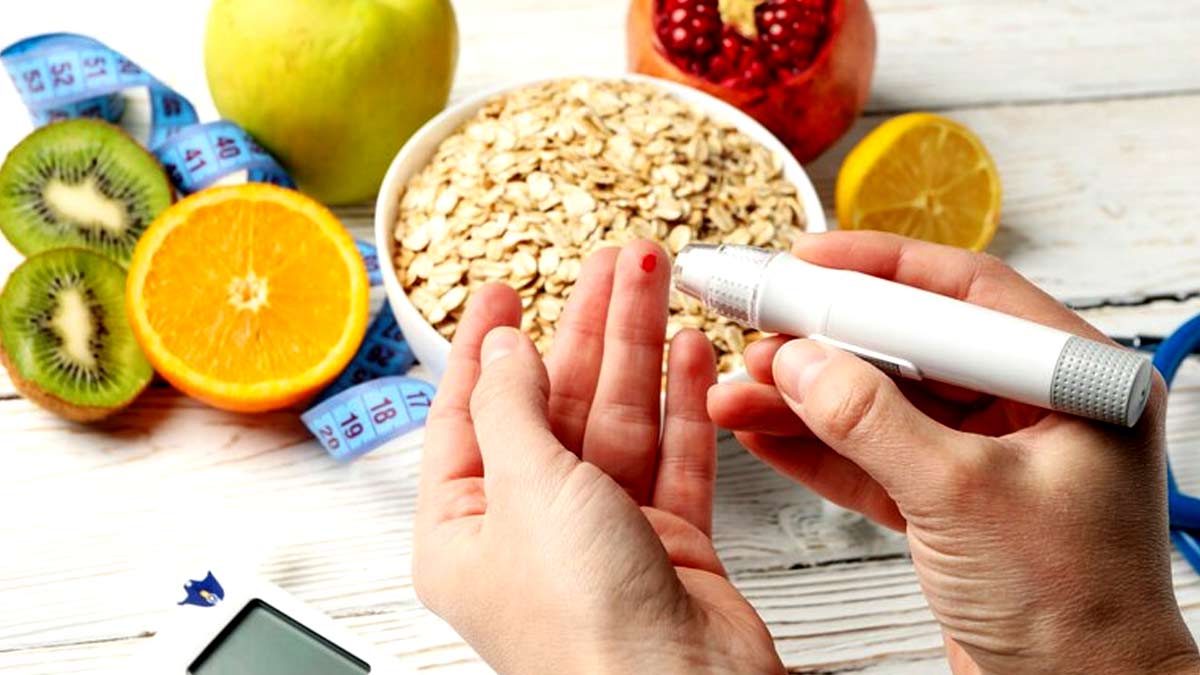
Feeling sluggish after lunch, experiencing brain fog around 3 p.m., or craving sweets in the afternoon might seem like normal parts of daily life. However, these symptoms could be signs of uncontrolled post-meal glucose spikes. Understanding how to manage these spikes is essential for maintaining energy, mental clarity, and long-term health. Whether you're dealing with diabetes, prediabetes, or simply looking to feel better, this article will provide practical strategies to help you take control of your blood sugar levels.
What Are Post-Meal Glucose Spikes?

Glucose, or blood sugar, is the primary energy source for your body's cells. When you eat, your body breaks down food into glucose, which enters your bloodstream. This triggers the pancreas to release insulin, a hormone that helps move glucose from the blood into your cells for energy.
A "glucose spike" occurs when your blood sugar levels rise rapidly after eating, often due to high-sugar or refined carbohydrate foods. These spikes can lead to crashes in energy, mood swings, and even long-term health issues like type 2 diabetes. Managing these spikes is crucial for overall well-being.
The Impact of Frequent Glucose Spikes

Short-term effects of frequent glucose spikes include:
- Lethargy: After a spike, the sudden drop in energy can leave you feeling exhausted.
- Brain fog: Fluctuating glucose levels can impair cognitive function, making it hard to concentrate.
- Hunger and cravings: Rapid spikes and crashes often trigger cravings for more sugar or carbs.
- Mood swings: Glucose fluctuations can cause irritability, anxiety, or fatigue.
- Headaches: Sharp changes in glucose levels can lead to migraines or tension headaches.
Long-term consequences may include:
- Aging: Frequent spikes can accelerate aging through a process called glycation.
- Disease risk: Oxidative stress and inflammation from spikes can increase the risk of chronic conditions.
- Excess fat storage: Excess glucose is converted into fat, especially if you consume too many simple carbs.
- Type 2 diabetes: Chronic spikes can lead to insulin resistance and beta-cell dysfunction over time.
Practical Strategies to Manage Post-Meal Glucose Spikes

1. Pair Carbs with Protein, Fiber, and Healthy Fats
Combining carbohydrates with protein, fiber, and healthy fats slows digestion and reduces glucose spikes. For example, enjoy a piece of fruit with a handful of nuts or pair a slice of whole-grain bread with avocado.
2. Choose High-Fiber Carbs
Opt for complex carbohydrates like whole grains, legumes, and vegetables. These foods are digested more slowly, leading to a steadier release of glucose into the bloodstream.
3. Incorporate Regular Exercise
Physical activity improves insulin sensitivity and helps the body use glucose more efficiently. A 10-minute walk after meals can significantly reduce glucose spikes. Even light activities like stretching or housework can make a difference.
4. Start Your Day with a Low-Carb, High-Protein Breakfast
Eating protein in the morning helps stabilize glucose levels throughout the day. Try Greek yogurt with berries, eggs with spinach, or a smoothie with almond butter and chia seeds.
5. Practice Food Sequencing
The order in which you eat your meals matters. Eating protein and non-starchy vegetables before carbohydrates can help slow the absorption of sugars and reduce spikes.
The Science Behind Walking After Meals

Walking after a meal is one of the simplest yet most effective ways to manage glucose spikes. Studies show that even a short walk can improve glucose metabolism and insulin sensitivity. Here’s why:
- Increased glucose uptake: Exercise boosts the body’s ability to use glucose for energy.
- Reduced insulin demand: By using up glucose during activity, the body doesn’t need to release as much insulin.
- Improved insulin sensitivity: Regular movement helps the body respond better to insulin over time.
Research indicates that a 30-minute walk within 6 hours of a meal can significantly lower glucose spikes. It also has minimal risk of hypoglycemia, making it safe for most people, including those with diabetes.
Additional Lifestyle Tips

- Limit high-GI foods: Avoid processed snacks, sugary drinks, and refined grains. Opt for low-GI options like oats, lentils, and non-starchy vegetables.
- Increase fiber intake: Foods like beans, whole grains, and fruits help slow glucose absorption.
- Smart food pairings: Balance each meal with a mix of carbs, proteins, and healthy fats to prevent rapid spikes.
- Control portion sizes: Eating smaller portions can help manage glucose levels without sacrificing nutrition.
- Stay active: Avoid sitting for long periods after meals. Even light movement can help regulate blood sugar.
Conclusion
Managing post-meal glucose spikes is a vital step toward better health and vitality. By making informed dietary choices, incorporating regular physical activity, and adopting healthy habits, you can maintain stable energy levels and reduce the risk of long-term complications. Remember, small changes can lead to significant improvements—start today and take control of your glucose levels for a healthier tomorrow.

Post a Comment for "How to Effectively Manage Post-Meal Glucose Spikes: Tips and Strategies"
Post a Comment