How to Create Effective Personalized Women's Biohacking Plans for Optimal Health
In today’s fast-paced world, more women are taking control of their health through biohacking. But the truth is, most biohacks were developed with men in mind, leaving women without tailored strategies that truly work with their unique biology. This article will guide you through creating effective personalized women’s biohacking plans that align with your hormonal rhythms, lifestyle, and goals.
Biohacking isn’t just about extreme diets or expensive gadgets—it’s about making small, science-backed changes that lead to significant improvements in your well-being. For women, this means understanding how hormones, metabolism, and stress affect your body and adjusting your approach accordingly. Whether you're looking to boost energy, balance hormones, or improve sleep, a personalized plan can make all the difference.
Understanding the Unique Needs of Women’s Biology
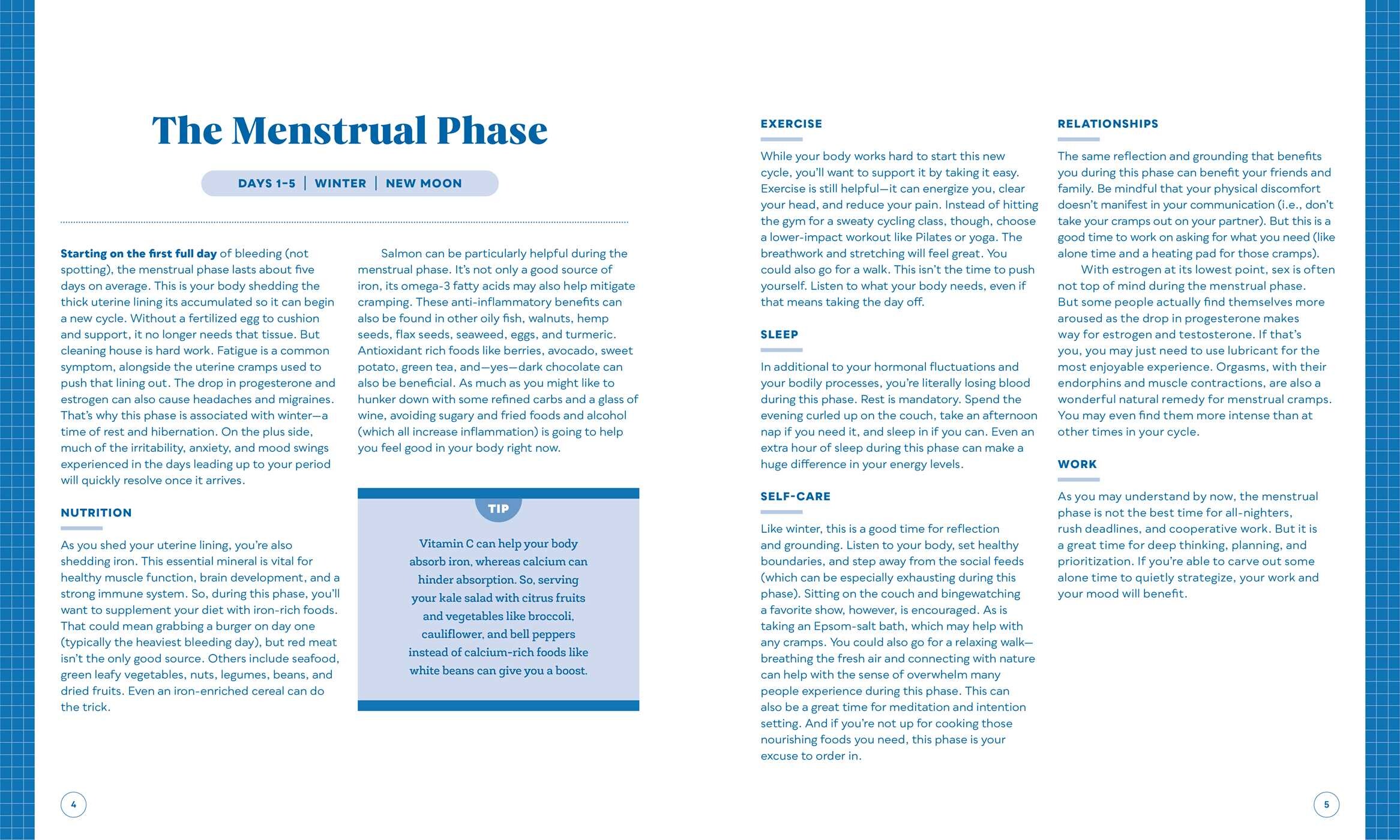
Women’s bodies function differently from men’s due to hormonal fluctuations, metabolic variations, and other biological factors. These differences mean that a one-size-fits-all approach to health won’t work. Here’s why:
- Hormonal Cycles: Women experience a 28-day infradian rhythm, which affects mood, energy, and metabolism. This means your needs change throughout the month.
- Metabolism: Women tend to burn more fat at rest and have different carbohydrate requirements depending on where they are in their cycle.
- Stress Response: Women are more sensitive to stress, which can impact hormone levels, sleep, and overall health.
Because of these differences, it’s crucial to tailor your biohacking strategy to your unique physiology. This includes adjusting your diet, exercise, and lifestyle habits based on your menstrual cycle and personal health markers.
Key Components of a Personalized Women's Biohacking Plan

Creating an effective plan involves several key components. Here’s how to get started:
1. Track Your Menstrual Cycle
Your menstrual cycle is a powerful indicator of your hormonal health. By tracking it, you can identify patterns and adjust your routine accordingly. Use apps like Natural Cycles or wearables like the Oura Ring to monitor your cycle and correlate it with energy levels, mood, and sleep quality.
2. Align Your Diet with Your Cycle
Nutritional needs vary throughout the menstrual cycle. For example: - Menstrual Phase (Days 1–5): Focus on iron-rich foods like liver and leafy greens to replenish lost nutrients. - Follicular Phase (Days 1–13): Prioritize protein and healthy fats to support follicle development. - Ovulation (Day 14): Incorporate anti-inflammatory foods like berries and turmeric. - Luteal Phase (Days 15–28): Increase complex carbohydrates and magnesium-rich foods to support progesterone balance.
3. Adjust Your Exercise Routine
Exercise should be tailored to your cycle to avoid burnout and injuries. For example: - Menstrual Phase: Gentle movement like yin yoga or stretching. - Follicular to Ovulation Phase: Cardio, strength training, or HIIT. - Luteal Phase: Low-impact activities like walking or yoga.
4. Manage Stress Effectively
Chronic stress can disrupt your hormones and negatively impact your health. Incorporate stress-reducing practices such as breathwork, meditation, or forest bathing. Aim for 10–15 minutes of mindfulness daily to keep cortisol levels in check.
5. Monitor Hormonal Balance
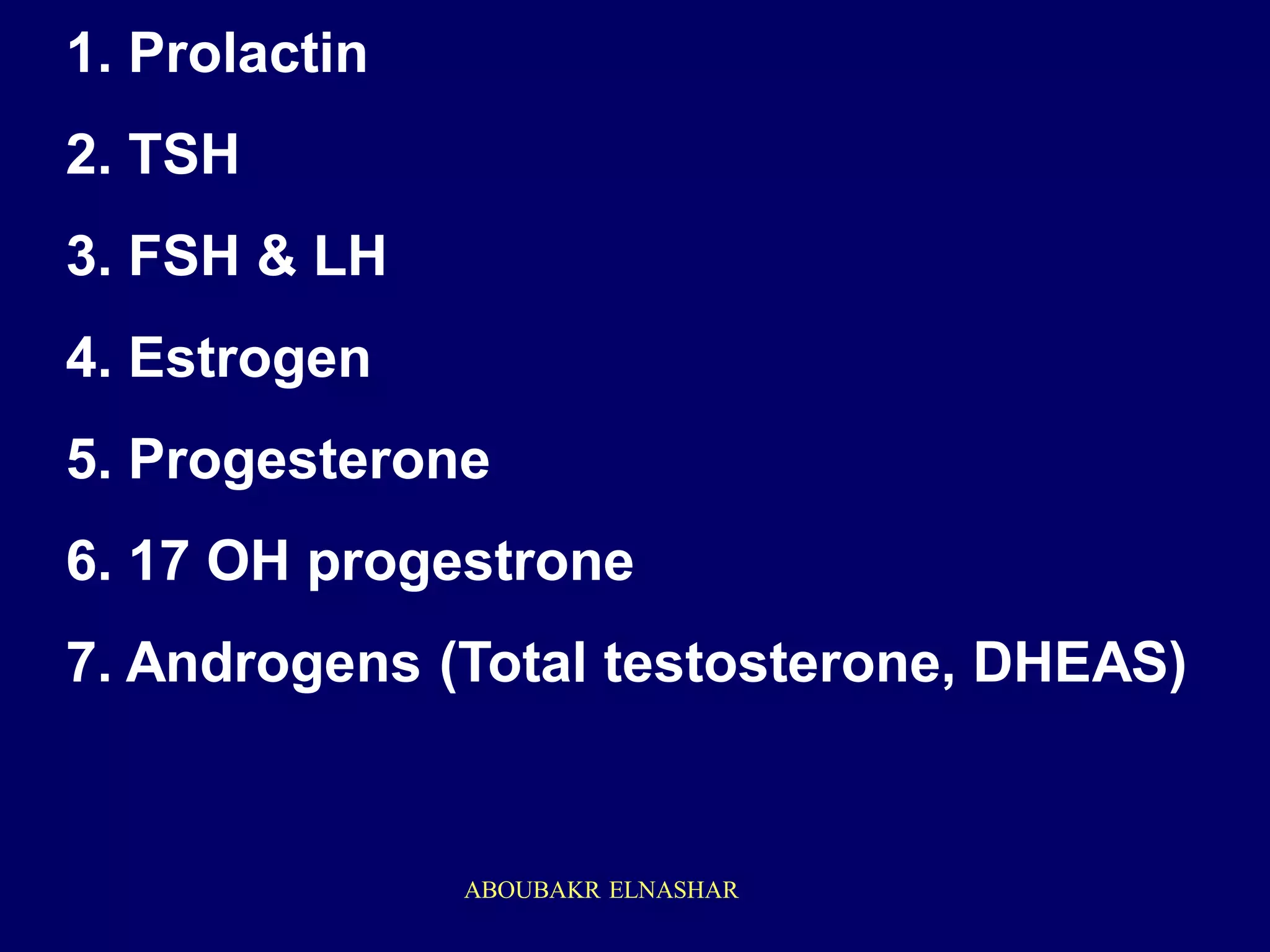
Use functional hormone testing like DUTCH or saliva tests to understand your hormone levels. This can help identify imbalances and guide your supplementation choices. Common supplements for women include: - Magnesium for cramps and sleep. - DIM to support estrogen metabolism. - Vitex (Chasteberry) for progesterone balance.
The Role of Technology in Personalized Biohacking
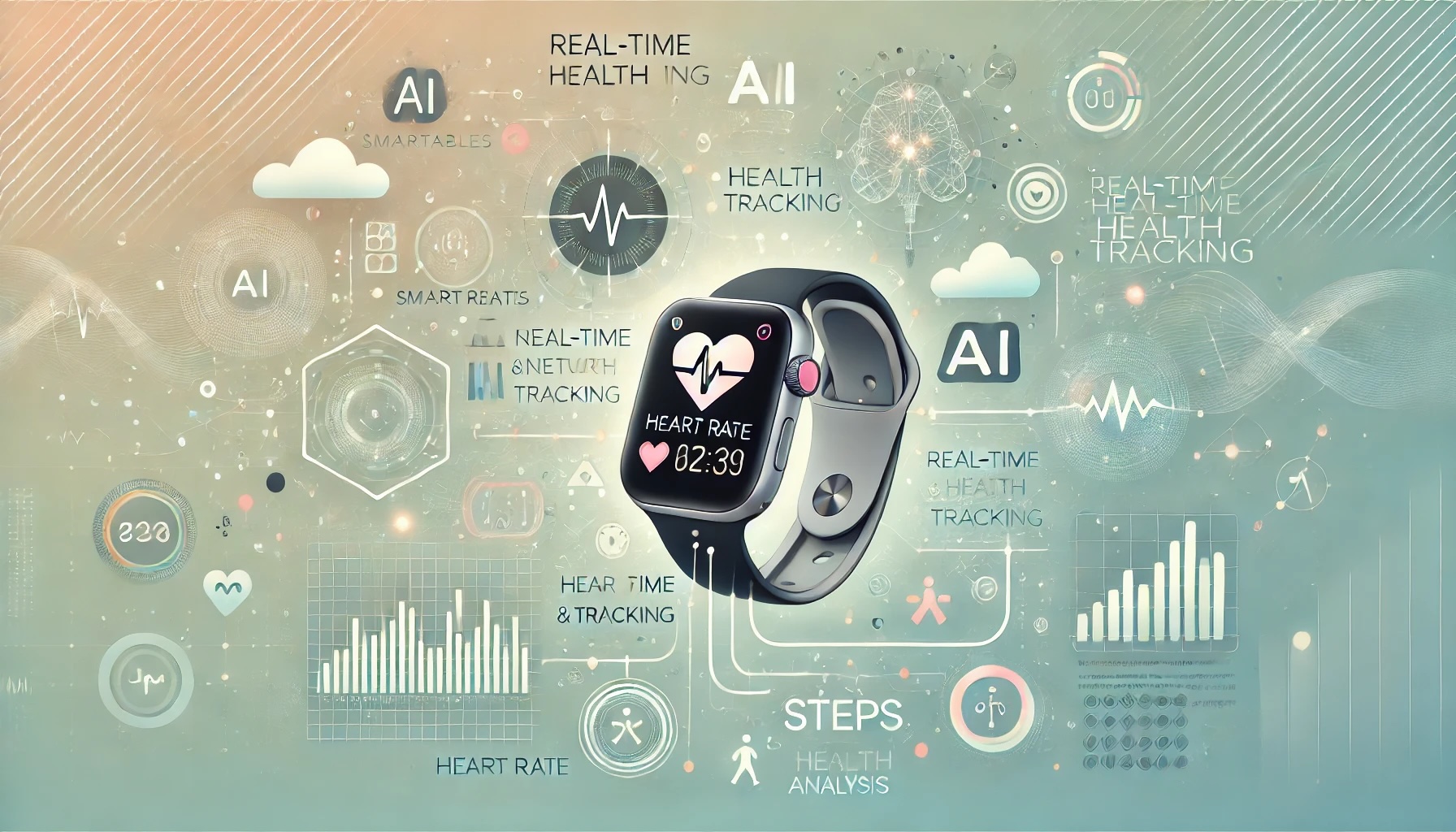
Wearables and smart devices can provide valuable insights into your health. Here’s how to use them effectively:
- Track Sleep: Devices like the Oura Ring can show how your sleep quality varies with your cycle.
- Monitor Heart Rate Variability (HRV): HRV is a great indicator of stress and recovery. Aim for higher HRV during the follicular phase and lower during the luteal phase.
- Use a Continuous Glucose Monitor (CGM): A CGM can help you understand how your diet and stress affect your blood sugar levels.
By using data from these tools, you can fine-tune your biohacking plan and make informed decisions about your health.
Avoiding Common Pitfalls in Women’s Biohacking

While biohacking can be incredibly beneficial, there are some common mistakes women make. Here’s how to avoid them:
- Avoid Extreme Diets: Strict fasting or keto diets can throw off your hormones. Instead, opt for gentle intermittent fasting (12–14 hours) and focus on nutrient-dense foods.
- Don’t Overdo It: Intense workouts like saunas or ice baths may not be suitable for everyone. Listen to your body and prioritize recovery.
- Be Mindful of Toxins: Many chemicals are stored in fat, so reduce exposure to plastics, processed foods, and synthetic products.
Final Thoughts: Embrace a Holistic Approach
Personalized women’s biohacking is about understanding your body and making changes that support your unique needs. It’s not about following trends or copying others—it’s about finding what works for you. By tracking your cycle, adjusting your diet and exercise, managing stress, and using technology wisely, you can create a plan that enhances your energy, mood, and overall well-being.
Remember, your health is a journey, not a destination. Start small, stay consistent, and don’t be afraid to experiment. With the right approach, you can unlock your full potential and live a healthier, more balanced life.

Post a Comment for "How to Create Effective Personalized Women's Biohacking Plans for Optimal Health"
Post a Comment