How to Apply Polyvagal Theory in Daily Life: A Practical Guide
Understanding how our nervous system responds to stress, safety, and social interaction is key to managing emotional well-being. Polyvagal Theory, developed by Dr. Stephen Porges, offers a groundbreaking framework for navigating these complex processes. By applying the principles of this theory in daily life, individuals can enhance their emotional regulation, build stronger relationships, and create a more balanced and fulfilling existence.

Understanding the Basics of Polyvagal Theory
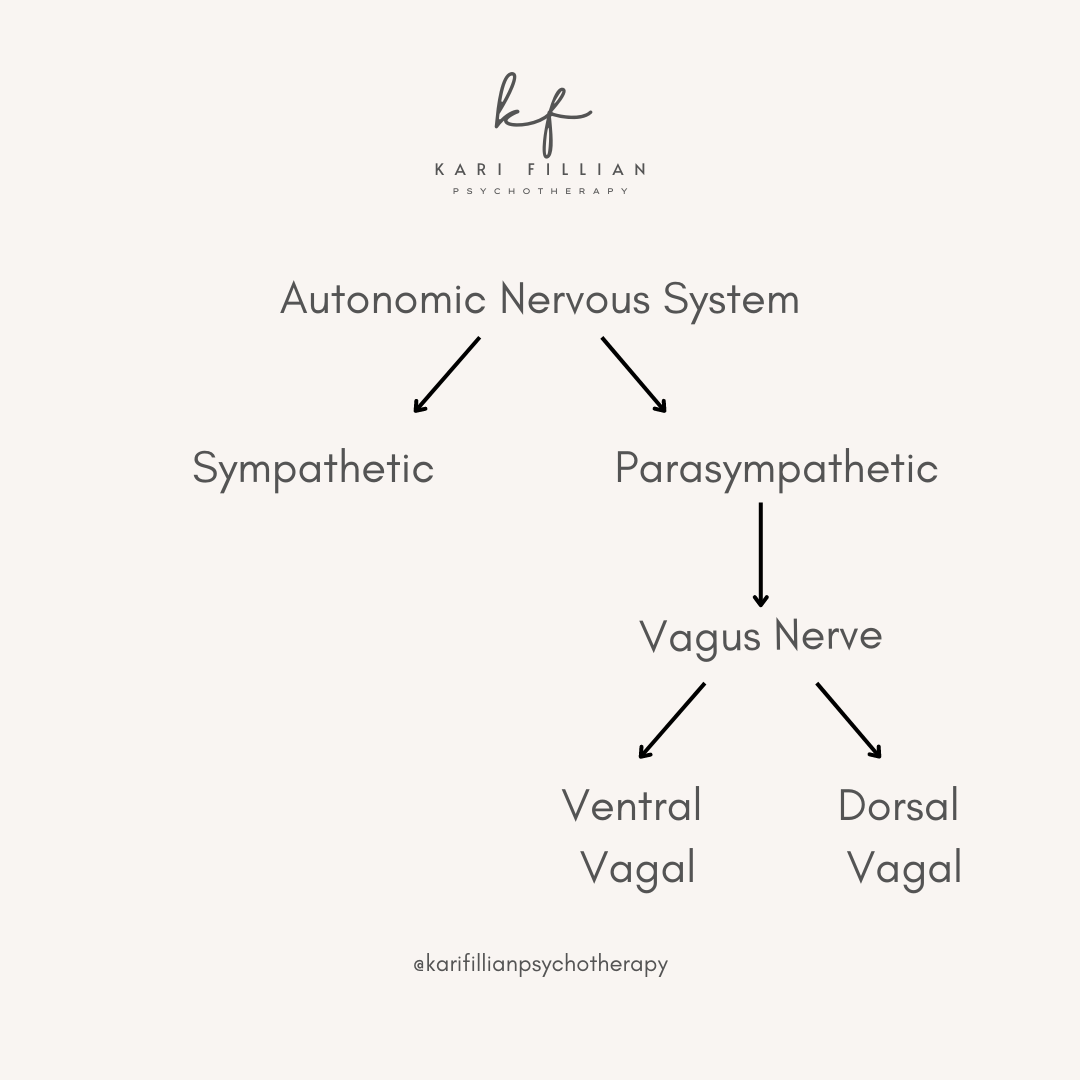
Polyvagal Theory provides a deeper understanding of the autonomic nervous system, which regulates involuntary bodily functions such as heart rate, digestion, and breathing. Traditionally, the autonomic nervous system was viewed through the lens of "fight or flight" (sympathetic) and "rest and digest" (parasympathetic) responses. However, Polyvagal Theory introduces a third component—the social engagement system, governed by the vagus nerve.
This theory explains that the vagus nerve has two branches: the ventral vagal complex and the dorsal vagal complex. The ventral vagal complex is associated with feelings of safety, relaxation, and social connection, while the dorsal vagal complex activates during extreme stress, leading to immobilization or dissociation.
By recognizing how these systems interact, we can better understand our physiological responses and learn to regulate them effectively.
How Polyvagal Theory Affects Emotional Regulation and Safety
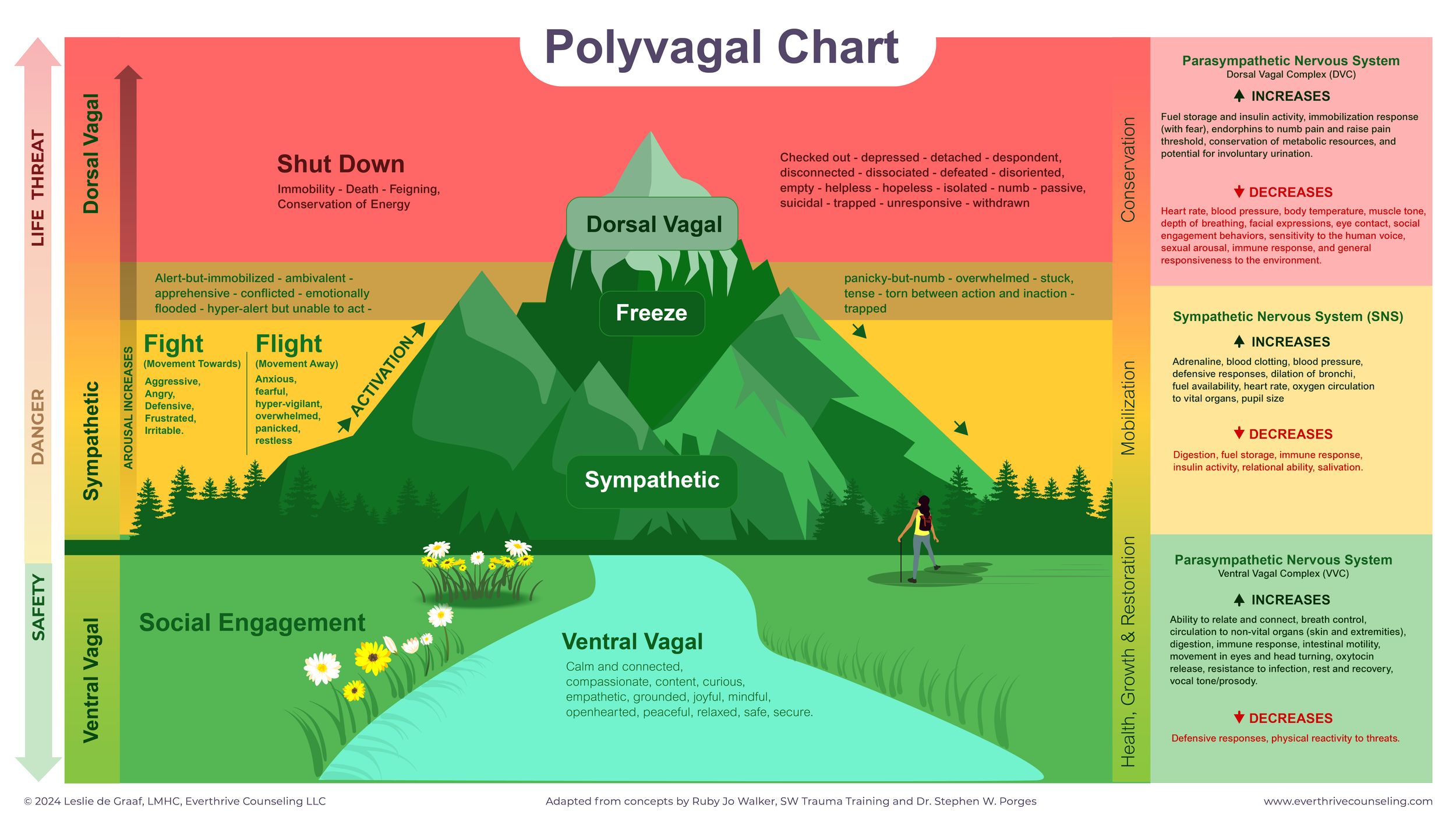
The state of our nervous system directly influences our emotional well-being. When the ventral vagal complex is active, we feel safe, calm, and open to social interactions. This state supports healthy communication, trust, and emotional stability. In contrast, when the dorsal vagal complex is activated, we may experience feelings of overwhelm, disconnection, or even shutdown.
Understanding these states allows us to identify when we are in a place of safety or when we need to take steps to return to a calmer state. For example, if you find yourself feeling anxious or overwhelmed, recognizing that your nervous system is in a defensive mode can help you implement strategies to restore balance.
Practical Applications of Polyvagal Theory in Daily Life

Integrating Polyvagal Theory into daily life doesn’t require a complete lifestyle overhaul—it’s about making small, intentional choices that support nervous system health. Here are some practical ways to apply the theory:
1. Deep Breathing Techniques
Deep, slow breathing activates the ventral vagal complex, promoting relaxation and reducing stress. Try diaphragmatic breathing: inhale deeply through your nose, allowing your belly to rise, then exhale slowly through your mouth. This practice helps regulate heart rate and reduce anxiety.
2. Mindful Meditation
Regular mindfulness practice increases bodily awareness and helps you stay present. By focusing on the here and now without judgment, you can cultivate a more resilient ventral vagal state. Even a few minutes of meditation each day can make a difference.
3. Safe Social Interactions
The ventral vagal system thrives in safe, supportive environments. Engage in meaningful conversations, spend time with loved ones, or participate in group activities that foster connection. These interactions can activate the social engagement system and promote feelings of safety.
4. Listening to Music and Humming
Music and humming have a calming effect on the nervous system. Soothing melodies or even humming along to a tune can stimulate the vagus nerve and improve mood. Choose music that resonates with you and brings a sense of peace.
Enhancing Intimate and Family Relationships Through Polyvagal Theory
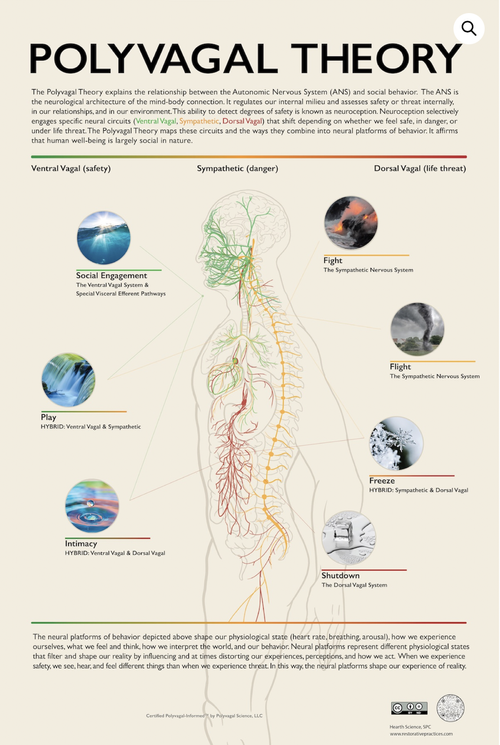
Understanding Polyvagal Theory can transform personal and familial relationships. Recognizing how the nervous system affects emotional responses allows for greater empathy and patience. For instance, if a partner or family member appears withdrawn or unresponsive, it might be a sign of dorsal vagal activation rather than disinterest.
By responding with kindness and offering space instead of pressure, you can help them return to a state of safety. Encouraging shared activities that promote ventral vagal engagement—like meals, games, or walks—can strengthen bonds and create a more harmonious environment.
Embracing Polyvagal Theory for a Healthier, More Connected Life

Polyvagal Theory isn't just a scientific concept—it's a powerful tool for improving quality of life. By applying its principles, individuals can manage stress more effectively, build healthier relationships, and create a more balanced nervous system.
Whether dealing with daily stressors or recovering from trauma, the insights provided by Polyvagal Theory offer a pathway to emotional resilience and well-being. By learning to recognize and regulate our physiological states, we can lead more fulfilling lives.

Post a Comment for "How to Apply Polyvagal Theory in Daily Life: A Practical Guide"
Post a Comment