How Therapeutic Light Can Improve Your Mood and Mental Health
Light is more than just a source of visibility—it's a powerful tool that influences our emotions, mental health, and overall well-being. From the warmth of sunlight to the glow of artificial light, the way we interact with light throughout the day can have a profound impact on our mood and behavior. One of the most effective ways to harness this power is through therapeutic light, a practice that has gained recognition for its ability to support emotional balance and improve mental health.
Whether you're struggling with seasonal depression, insomnia, or general stress, understanding how therapeutic light works and how to use it effectively can be a game-changer. In this article, we’ll explore the science behind therapeutic light, its benefits for mood and mental health, and practical tips for incorporating it into your daily life.

The Science Behind Therapeutic Light
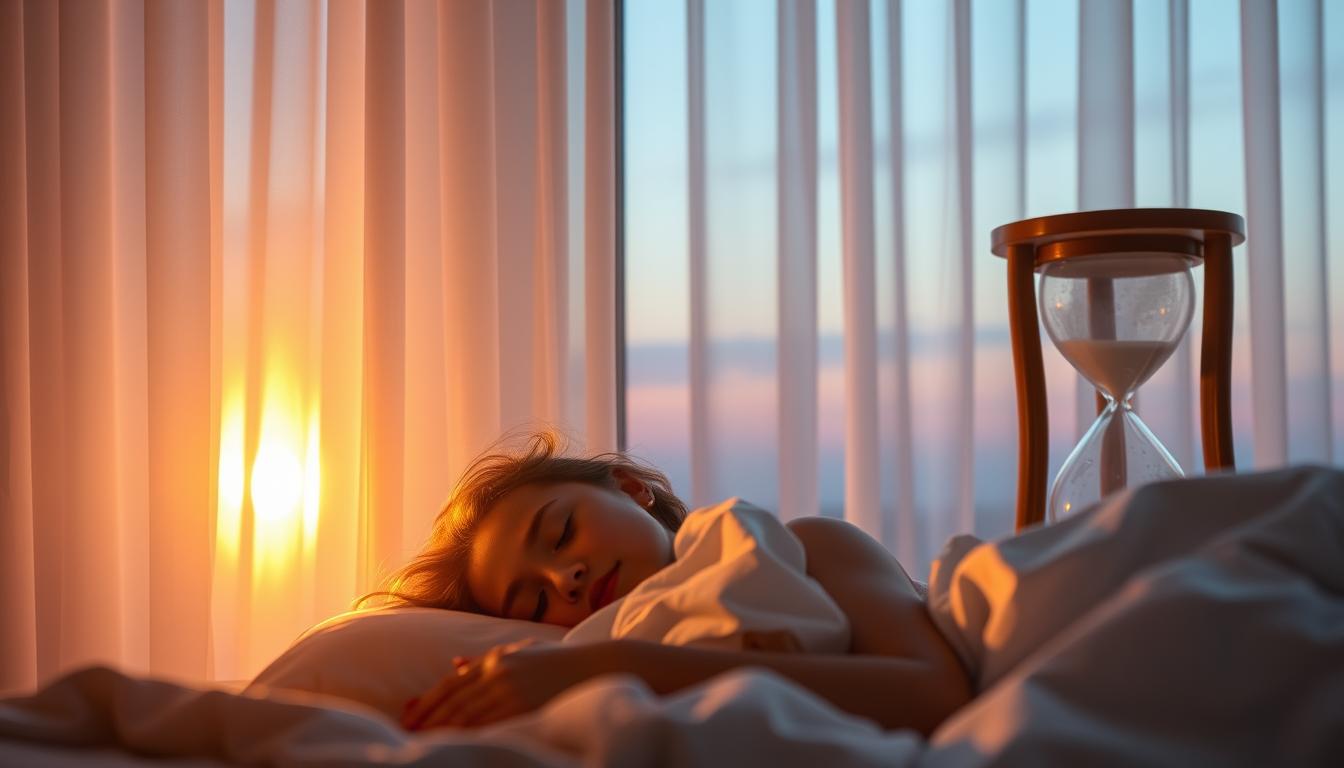
Therapeutic light, also known as light therapy or phototherapy, involves exposure to specific types of light to regulate biological rhythms and influence mood. This method is particularly effective because light plays a critical role in regulating the body’s internal clock, or circadian rhythm.
The circadian rhythm controls when we feel alert and when we feel sleepy. Exposure to natural or artificial light—especially bright light in the morning—helps signal to the brain that it’s time to wake up and be active. Conversely, reduced light exposure in the evening helps the body prepare for sleep by increasing the production of melatonin, the hormone responsible for regulating sleep.
This connection between light and mood is rooted in the brain’s response to different wavelengths of light. For example, blue light (common in electronic devices and certain artificial lights) can boost alertness and energy, while warm, yellow light is more relaxing and conducive to winding down.
How Light Affects Mood and Mental Health
The psychological effects of light are well-documented. Studies show that exposure to natural light can reduce symptoms of depression, anxiety, and stress. It also improves sleep quality, which in turn supports better emotional regulation and mental clarity.
For individuals with Seasonal Affective Disorder (SAD), light therapy is often prescribed as a primary treatment. SAD is a type of depression that occurs during the winter months when daylight hours are shorter. Using a full-spectrum light box that mimics natural sunlight can help reset the circadian rhythm and alleviate symptoms.
But the benefits of therapeutic light extend beyond SAD. Here are some key ways light affects mood and mental health:
- Boosts serotonin levels: Serotonin is a neurotransmitter that contributes to feelings of happiness and well-being. Exposure to light, especially in the morning, can increase serotonin production.
- Regulates melatonin: As mentioned earlier, light exposure affects melatonin levels, helping to establish a healthy sleep-wake cycle.
- Reduces anxiety and stress: Warm, soft lighting can create a calming environment, while cooler, brighter light can enhance focus and productivity.
- Improves cognitive function: Proper lighting in workspaces and study areas can increase alertness and concentration.
Practical Applications of Therapeutic Light
Incorporating therapeutic light into your daily routine doesn’t require a complicated setup. Here are some practical ways to use light to support your mood and mental health:
1. Morning Light Exposure
Spending 30–45 minutes in direct sunlight shortly after waking up can help regulate your circadian rhythm and boost your energy levels. If outdoor exposure isn’t possible, a light therapy box that emits 10,000 lux of light can be used as an alternative.
- Tip: Avoid wearing sunglasses or using sunscreen during morning light exposure, as they can filter out beneficial wavelengths of light.
2. Adjust Lighting at Home
Your home environment can significantly impact your mood. Consider the following adjustments:
- Use warm lighting in the evening: Switch to warmer, softer lighting in the late afternoon and evening to signal to your body that it’s time to wind down.
- Optimize natural light: Open curtains and blinds during the day to let in as much natural light as possible.
- Avoid blue light before bedtime: Limit screen time and use blue light filters on devices to reduce the risk of disrupted sleep.
3. Use Light Therapy Boxes

Light therapy boxes are a popular option for people who live in areas with limited sunlight or have irregular schedules. These devices emit bright light that mimics natural sunlight and can be used for 20–30 minutes each morning.
- Tip: Choose a light box that provides 10,000 lux of light and has a UV filter to protect your eyes.
4. Incorporate Light into Workspaces
Work environments play a significant role in mental health. Here’s how to optimize lighting in your workspace:
- Maximize natural light: Position desks near windows whenever possible.
- Use task lighting: Add desk lamps or under-cabinet lighting to reduce eye strain.
- Avoid harsh overhead lighting: Harsh fluorescent lights can cause fatigue and irritability.
When to Seek Professional Help

While therapeutic light can be highly beneficial, it’s not a substitute for professional medical advice. If you’re experiencing persistent symptoms of depression, anxiety, or sleep disorders, it’s important to consult a healthcare provider.
A doctor may recommend light therapy as part of a broader treatment plan, especially if your symptoms are related to circadian rhythm disruptions or seasonal changes. They may also suggest other interventions such as cognitive behavioral therapy (CBT), medication, or lifestyle adjustments.
Conclusion
Therapeutic light is a powerful, accessible tool for improving mood and mental health. By understanding how light affects the body and mind, you can make informed choices about your environment and daily habits. Whether you’re using natural sunlight, light therapy boxes, or adjusting your home and work lighting, small changes can lead to significant improvements in well-being.
Remember, the goal is not just to see better but to feel better. By embracing the healing potential of light, you can take a proactive step toward a more balanced, energized, and emotionally resilient life.

Post a Comment for "How Therapeutic Light Can Improve Your Mood and Mental Health"
Post a Comment