How Red Light Therapy Can Improve Your Skin Texture: A Complete Guide
If you're looking for a natural, non-invasive way to enhance your skin's appearance, red light therapy might be the solution you've been searching for. This innovative treatment has gained popularity for its ability to improve skin texture, reduce signs of aging, and promote overall skin health. Whether you're dealing with acne, fine lines, or uneven tone, red light therapy offers a gentle yet effective approach to achieving a more radiant complexion.
What Is Red Light Therapy?
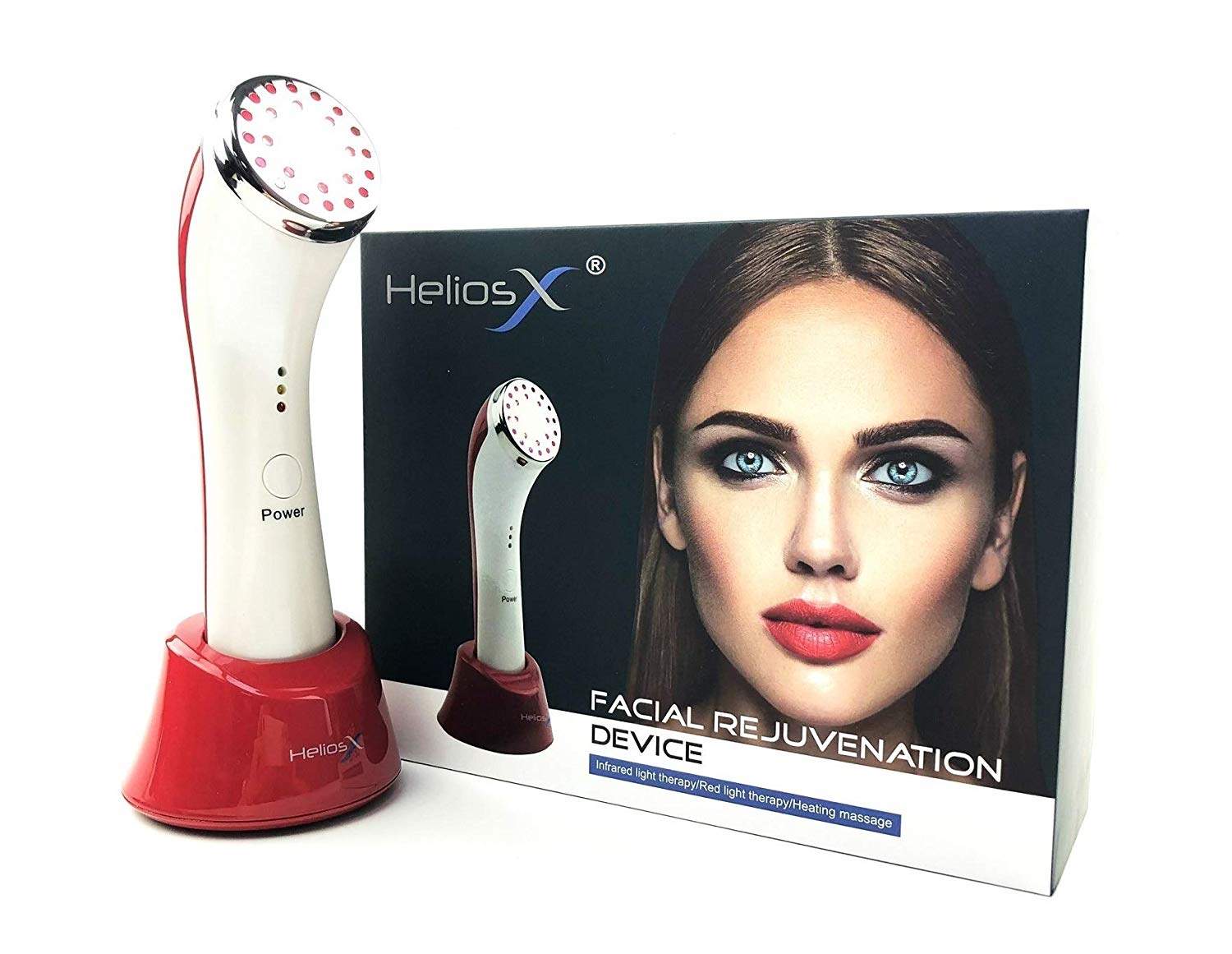
Red light therapy (RLT), also known as photobiomodulation, is a skincare treatment that uses low-level red and near-infrared wavelengths of light to stimulate cellular function. Unlike traditional sun exposure, which can damage the skin, RLT delivers beneficial light energy without harmful ultraviolet (UV) rays. This therapy works by targeting the mitochondria within your skin cells, boosting their production of adenosine triphosphate (ATP)—the energy source that powers cellular processes. By enhancing ATP levels, RLT encourages cell repair, collagen production, and overall skin regeneration.
The Science Behind Red Light Therapy
At the core of red light therapy is its ability to penetrate the skin at different depths, depending on the wavelength used. The most common wavelengths for skincare are 630–660 nm (red light) and 810–850 nm (near-infrared). These wavelengths are specifically chosen because they can reach deeper layers of the skin, where collagen and elastin fibers reside.
When the light is absorbed by the skin, it activates cytochrome c oxidase, an enzyme in the mitochondria responsible for energy production. This activation leads to increased ATP synthesis, which in turn accelerates cellular metabolism and promotes healing. Over time, this process can lead to improved skin texture, reduced inflammation, and enhanced skin elasticity.
Benefits of Red Light Therapy for Skin Texture
Red light therapy offers a range of benefits that contribute to healthier, more even skin. Here are some of the key advantages:
-
Boosts Collagen Production: Collagen is essential for maintaining skin firmness and elasticity. RLT stimulates collagen synthesis, helping to reduce the appearance of fine lines and wrinkles.
-
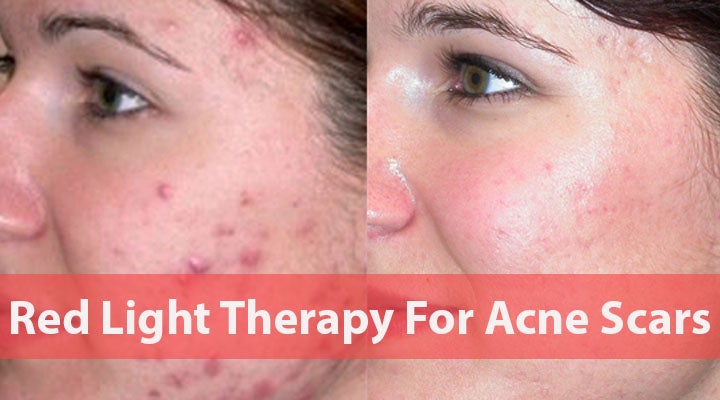
Reduces Inflammation: For those with acne-prone or sensitive skin, RLT can help calm redness and irritation by reducing inflammation.
-
Improves Circulation: Enhanced blood flow brings more oxygen and nutrients to the skin, promoting a healthier complexion.
-
Speeds Up Healing: Whether you're recovering from a facial treatment, acne breakouts, or minor injuries, RLT can accelerate the healing process.
These benefits make red light therapy a versatile tool for addressing various skin concerns, including uneven texture, dullness, and premature aging.
How to Use Red Light Therapy Safely and Effectively
To get the most out of red light therapy, consistency and proper technique are key. Here’s a step-by-step guide to using RLT effectively:
- Cleanse Your Skin: Start with a clean face to ensure the light can penetrate effectively.
- Apply the Device: Place the red light therapy device on your face or the targeted area. Make sure the light is evenly distributed.
- Use for 5–10 Minutes: Most devices recommend sessions lasting between 5 and 10 minutes. Avoid overuse, especially if you're new to the treatment.
- Follow Up with Skincare: After your session, apply a moisturizer or serum to lock in hydration and enhance results.
- Protect Your Skin: If using the device during the day, always apply sunscreen afterward to protect your skin from UV exposure.
Experts suggest using red light therapy 3–5 times per week for optimal results. However, it's important to follow the manufacturer's guidelines and consult with a dermatologist if you have any concerns.
Choosing the Right Red Light Therapy Device
With so many options available, selecting the right red light therapy device can be overwhelming. Here are a few types of devices to consider:
-
Red Light Therapy Masks: These are designed to cover your entire face and are ideal for treating multiple areas at once. They’re convenient for daily use and often come with adjustable settings.
-
Red Light Therapy Panels: These are larger devices that can be mounted on walls or placed on tables. They’re suitable for targeting specific areas or larger body parts.
-
Red Light Therapy Wands: Handheld devices that allow for precise application. They’re great for spot treatments, such as acne or dark spots.
When choosing a device, look for one that emits the correct wavelengths (630–660 nm for red light and 810–850 nm for near-infrared) and has a good reputation for safety and effectiveness.
Enhancing Results with Complementary Skincare

While red light therapy is powerful on its own, pairing it with the right skincare products can amplify its benefits. Antioxidants like vitamin C, hyaluronic acid, and retinol can work synergistically with RLT to boost collagen production and improve skin texture. For example, vitamin C helps brighten the complexion and protect against free radicals, while hyaluronic acid deeply hydrates the skin.
Incorporating these ingredients into your routine can create a more comprehensive approach to skincare. Always patch-test new products and consult with a dermatologist if you have sensitive skin or existing conditions.
Is Red Light Therapy Right for You?
Red light therapy is generally safe for most skin types and concerns. It’s particularly beneficial for:
- Acne-Prone Skin: Reduces inflammation and prevents future breakouts.
- Aging Skin: Stimulates collagen production to reduce wrinkles and improve elasticity.
- Sensitive Skin: Offers a gentle alternative to harsh topical treatments.
- Post-Treatment Recovery: Helps speed up healing after facials, peels, or other procedures.
However, it’s important to note that results may vary depending on individual factors such as skin type, lifestyle, and consistency of use. If you're unsure whether RLT is suitable for your needs, consult with a healthcare professional or dermatologist.
Safety Tips for Using Red Light Therapy
While red light therapy is considered safe, there are a few precautions to keep in mind:
- Avoid Overuse: Using the device too frequently can lead to skin irritation or diminished results.
- Protect Your Eyes: Some devices emit intense light, so it’s advisable to wear protective eyewear during sessions.
- Follow Manufacturer Guidelines: Each device may have specific instructions for use, so always read the manual carefully.
- Consult a Professional: If you’re pregnant, on photosensitizing medications, or have a medical condition, speak with your doctor before starting RLT.
By following these guidelines, you can ensure a safe and effective experience with red light therapy.
Final Thoughts
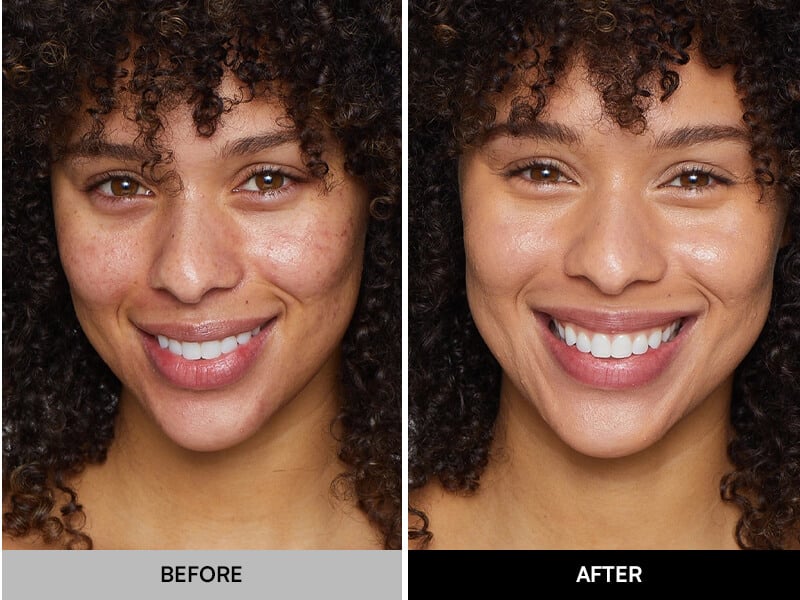
Red light therapy offers a promising, non-invasive solution for improving skin texture and overall skin health. With its ability to stimulate collagen production, reduce inflammation, and promote cellular renewal, it’s a valuable addition to any skincare routine. While more research is needed to fully understand its long-term effects, the current evidence suggests that RLT can deliver noticeable results when used consistently and correctly.
Whether you're looking to address specific skin concerns or simply want to maintain a healthy glow, red light therapy is a worthy investment. As with any skincare treatment, patience and persistence are key. By combining RLT with a balanced skincare routine and healthy lifestyle habits, you can achieve the radiant, even-toned skin you desire.

Post a Comment for "How Red Light Therapy Can Improve Your Skin Texture: A Complete Guide"
Post a Comment