How Red Light Therapy Can Improve Your Sleep: Science-Backed Benefits and Tips
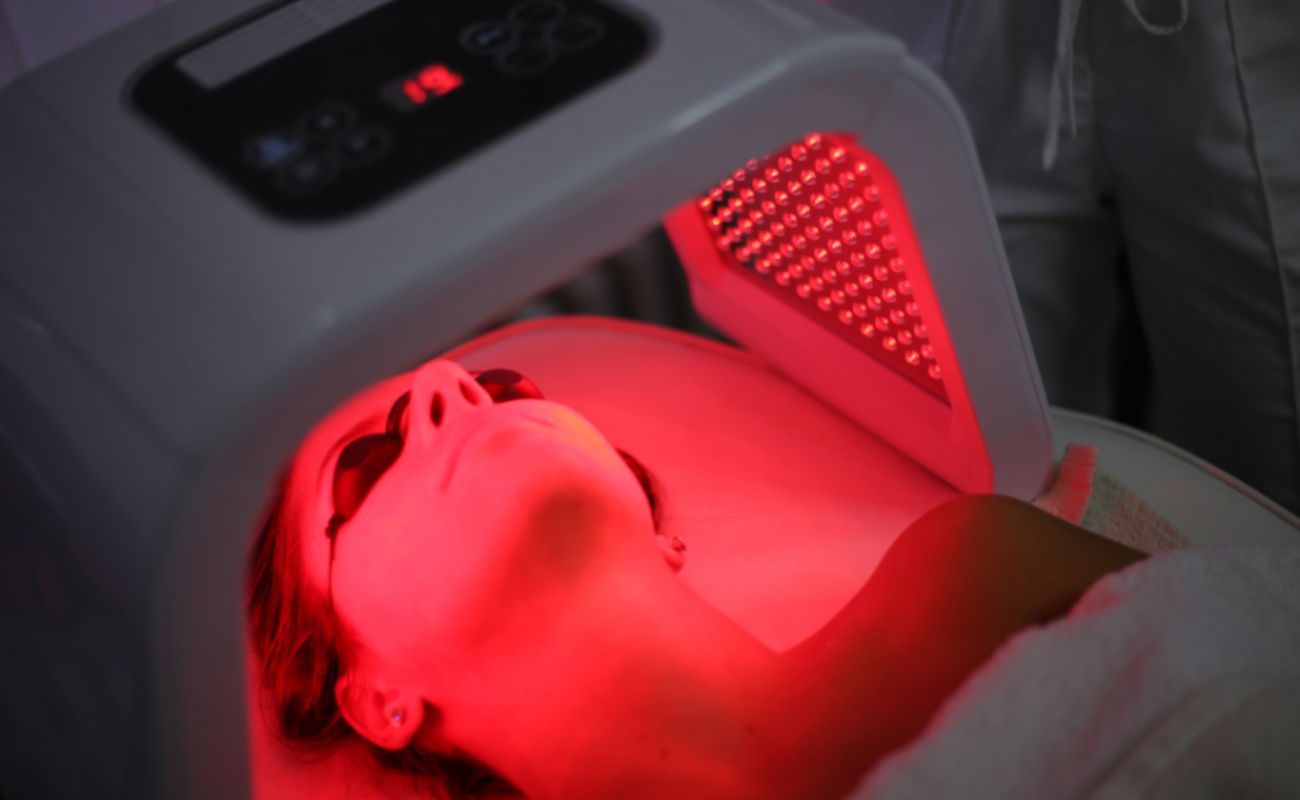
As the days grow shorter and the nights longer, many of us find ourselves struggling with sleep. Whether it's due to stress, an irregular schedule, or the lingering effects of seasonal affective disorder (SAD), poor sleep can take a toll on our overall well-being. But what if there was a natural, non-invasive way to improve your sleep quality? Enter red light therapy—a treatment that has gained popularity in recent years for its potential to support better rest. In this article, we'll explore how red light therapy works, its science-backed benefits for sleep, and practical tips for incorporating it into your nightly routine.
What Is Red Light Therapy?
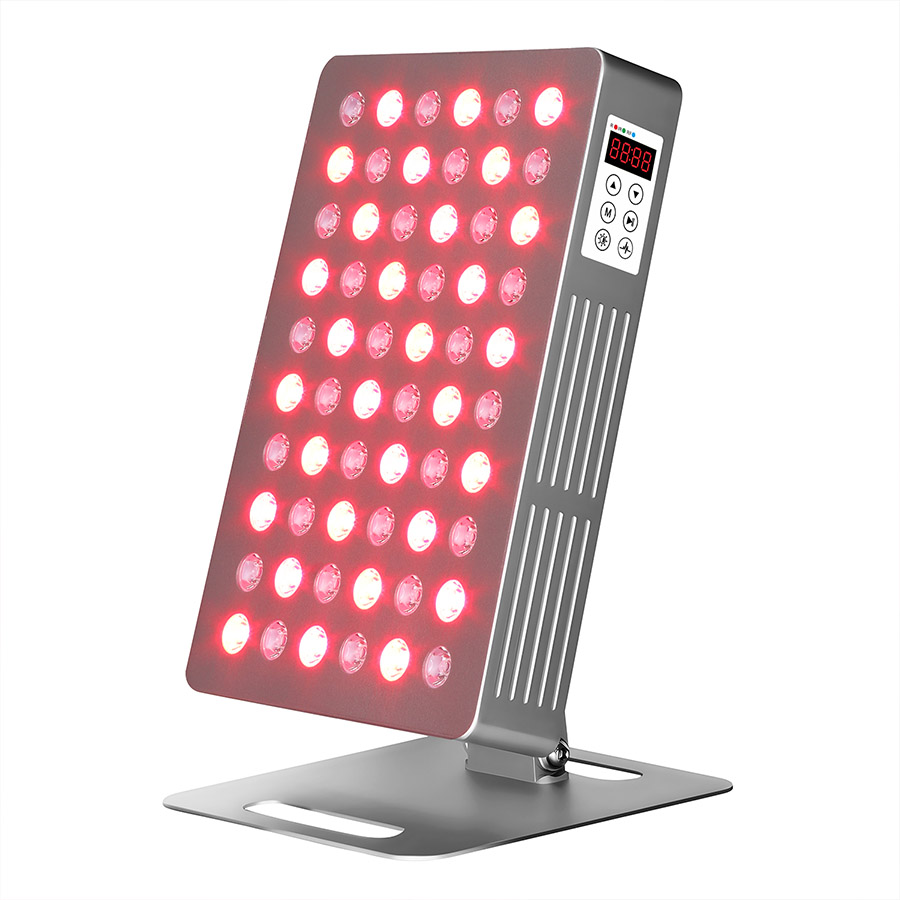
Red light therapy, also known as low-level laser therapy (LLLT) or photobiomodulation, involves exposing the body to specific wavelengths of red light. These wavelengths, typically between 630–660 nanometers, penetrate the skin and interact with cells, particularly mitochondria—the energy-producing structures within our cells. This interaction is believed to boost cellular energy production, reduce inflammation, and promote healing.
While red light therapy is often associated with skincare and pain relief, its impact on sleep is gaining attention. The therapy’s ability to influence melatonin and serotonin levels makes it a promising tool for those seeking to improve their sleep quality.
How Red Light Therapy Works for Sleep
1. Boosts Melatonin Production
Melatonin is the hormone responsible for regulating sleep-wake cycles. Exposure to red light has been shown to increase melatonin levels, helping you fall asleep faster and wake up more refreshed. One study found that participants who used red light therapy for 30 minutes each night experienced a 58% increase in melatonin levels.
2. Reduces Cortisol Levels
Cortisol, often referred to as the "stress hormone," can interfere with sleep by keeping the body in a state of alertness. Red light therapy has been shown to lower cortisol levels, creating a calmer environment conducive to restful sleep.
3. Signals the Body to Wind Down
Using red light in the evening can serve as a visual cue that it's time to relax. This gentle illumination helps transition your body from daytime alertness to nighttime restfulness, supporting a consistent sleep schedule.
4. Avoids the Negative Effects of Blue Light
Unlike blue light from screens and bright room lights, which suppresses melatonin and disrupts circadian rhythms, red light does not have the same effect. By replacing blue light with red, you can maintain a healthier sleep-wake cycle.
7 Science-Backed Ways Red Light Therapy Improves Sleep
1. Alleviates Symptoms of Seasonal Affective Disorder (SAD)
A study published in the National Library of Medicine found that red light therapy significantly improved mood and reduced symptoms of depression in individuals with SAD. By boosting serotonin levels, red light therapy can help combat the emotional and physical fatigue associated with seasonal changes.
2. Enhances Melatonin Production
As mentioned earlier, red light therapy increases melatonin levels, making it easier to fall asleep and stay asleep. This benefit is especially useful for those who struggle with insomnia or disrupted sleep patterns.
3. Helps Manage Pain and Discomfort
Chronic pain conditions like fibromyalgia and arthritis can make it difficult to achieve restful sleep. Red light therapy has been shown to reduce inflammation and pain, making it easier to fall asleep and stay asleep throughout the night.
4. Improves Sleep Inertia
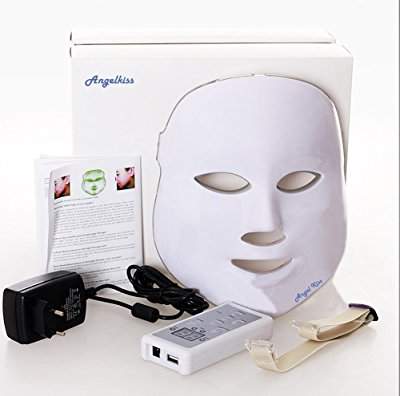
Sleep inertia, the grogginess you feel upon waking, can be mitigated by red light therapy. A study found that participants who used red light therapy through a sleep mask experienced reduced sleep inertia and felt more alert after waking.
5. Supports Skin Health
Conditions like psoriasis can cause discomfort and disrupt sleep. Red light therapy has been shown to alleviate symptoms of psoriasis, reducing itching and inflammation and allowing for more restful sleep.
6. Promotes Relaxation and Stress Reduction
By lowering cortisol levels and promoting a sense of calm, red light therapy can help reduce stress and anxiety, two common culprits of sleep disturbances.
7. Improves Circadian Rhythm Regulation
Regular use of red light therapy can help regulate your internal clock, making it easier to fall asleep at night and wake up feeling refreshed in the morning.
[IMAGE: Red light therapy for sleep improvement with a person using a red light mask at night]
How to Use Red Light Therapy for Better Sleep at Home
If you're interested in trying red light therapy for sleep, here are some practical tips to get started:
1. Choose the Right Device
Look for devices that emit red light in the 630–660 nm range, as these wavelengths are most effective for sleep. You can choose from masks, panels, or mats designed for home use.
2. Create a Relaxing Environment
Set up a comfortable space in your bedroom where you can use the therapy. Dim other lights in the room to enhance the effect of the red light and create a calming atmosphere.
3. Establish a Consistent Routine
Consistency is key when using red light therapy. Aim to use it at the same time each night, ideally 1–2 hours before bed. Start with short sessions of 15–20 minutes and gradually increase to 30–45 minutes.
4. Combine with Other Relaxation Techniques
Pair red light therapy with other relaxation methods such as deep breathing, meditation, or gentle stretching. These practices can enhance the therapy’s effects and promote deeper relaxation.
5. Track Your Progress
Use a sleep journal or tracking app to monitor your sleep patterns over time. This will help you determine whether red light therapy is working for you and make adjustments as needed.
Final Thoughts
Red light therapy offers a natural and non-invasive way to improve sleep quality, reduce stress, and support overall well-being. While research is still evolving, the science-backed benefits of red light therapy for sleep are promising. By incorporating it into your bedtime routine and combining it with healthy sleep habits, you can create a more restful and rejuvenating sleep experience.
Remember, while red light therapy can be a helpful tool, it should be used as part of a broader approach to sleep health. Prioritize consistent sleep schedules, a dark and quiet sleep environment, and mindfulness practices to maximize the benefits of this emerging therapy.

Post a Comment for "How Red Light Therapy Can Improve Your Sleep: Science-Backed Benefits and Tips"
Post a Comment