How Photobiomodulation Supports Brain Health: Science and Benefits
In an era where brain health is increasingly under threat from stress, aging, and environmental factors, innovative solutions are emerging to support cognitive function and mental well-being. One such solution gaining attention is photobiomodulation (PBM)—a non-invasive therapy that uses light to stimulate cellular function. This article explores how photobiomodulation supports brain health, backed by scientific research and real-world applications.

What Is Photobiomodulation?

Photobiomodulation, also known as low-level laser therapy (LLLT), involves the use of red or near-infrared light to stimulate biological processes within the body. When applied to the brain, PBM can enhance mitochondrial function, increase ATP production, and reduce oxidative stress—all of which are critical for maintaining healthy neurons.
The mechanism behind PBM is rooted in the interaction between light and cytochrome c oxidase, a key enzyme in the mitochondria responsible for energy production. By absorbing specific wavelengths of light, this enzyme becomes more efficient, leading to improved cellular metabolism and reduced inflammation.
The Science Behind PBM and Brain Health

Research has shown that PBM can have a profound impact on brain health. A review published in Frontiers in Aging Neuroscience highlights the potential of light therapy in addressing conditions such as depression, cognitive dysfunction, chronic pain, and sleep disorders. While the exact mechanisms are still being explored, several studies suggest that PBM can:
- Enhance neuroplasticity, the brain's ability to reorganize itself.
- Improve blood flow and oxygenation to brain tissues.
- Reduce neuroinflammation and oxidative damage.
- Support the growth and survival of neurons.
These effects make PBM a promising tool for managing a range of neurological and psychiatric conditions.
Applications of PBM in Cognitive Enhancement
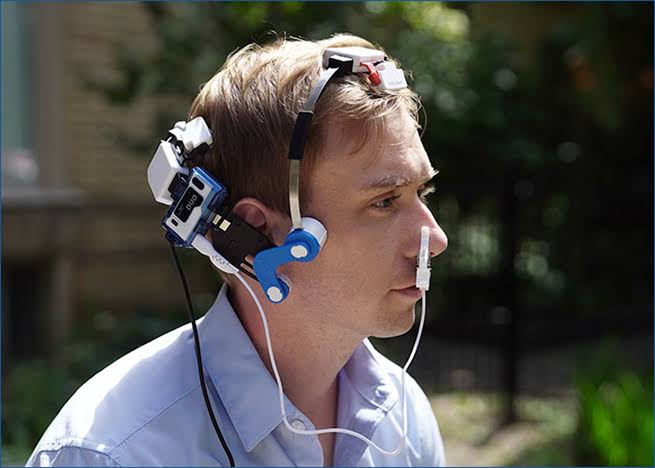
One of the most exciting areas of PBM research is its role in cognitive enhancement. Devices like the Vielight Neuro Pro 2 and Neuro Duo 4 are designed to deliver targeted light therapy to the brain, with features tailored for different cognitive needs.
- Alpha mode (10 Hz) promotes relaxation and improves sleep quality.
- Gamma mode (40 Hz) enhances focus, memory, and mental energy.
These modes are based on the principle that different frequencies of light can influence brainwave activity, thereby affecting mood, cognition, and behavior.
Real-World Benefits of PBM
Beyond the science, many individuals have reported tangible benefits from using PBM devices. Athletes often use Alpha wave stimulation to achieve a "flow" state, while students and professionals utilize Gamma wave stimulation to boost concentration during demanding tasks.
Additionally, PBM has been used to support recovery from traumatic brain injuries, stroke, and neurodegenerative diseases like Alzheimer’s and Parkinson’s. While more research is needed, early results are encouraging.
Combining PBM with Other Brain-Boosting Strategies

While PBM is a powerful tool, it works best when combined with other brain-healthy habits. For instance, physical exercise, as highlighted by the National Institute on Aging, plays a crucial role in cognitive development. Exercise increases the production of BDNF, a protein that supports neuronal health and synaptic plasticity.
Similarly, social engagement, mental challenges, and a balanced diet all contribute to long-term brain health. PBM can complement these efforts by providing a targeted, non-invasive way to support cellular function in the brain.
The Future of PBM in Brain Health

As research into PBM continues to expand, we may see even more applications for this therapy. Scientists are exploring how PBM could be used to treat conditions such as PTSD, ADHD, and even depression. With advancements in technology, future devices may offer even more personalized and effective treatments.
Moreover, the integration of PBM with other therapies, such as vagus nerve stimulation (as seen in the Vielight Vagus device), opens up new possibilities for enhancing brain-body connectivity and overall well-being.
Conclusion
Photobiomodulation represents a groundbreaking approach to supporting brain health. By harnessing the power of light, this therapy offers a non-invasive, natural way to enhance cognitive function, improve mood, and promote mental clarity. Whether you're looking to boost your focus, manage stress, or support long-term brain health, PBM provides a promising avenue for exploration.
As research continues to uncover the full potential of light therapy, it's clear that photobiomodulation will play an increasingly important role in the future of neuroscience and wellness. Stay informed, explore the options, and consider how PBM might fit into your personal health journey.

Post a Comment for "How Photobiomodulation Supports Brain Health: Science and Benefits"
Post a Comment