How Neurofeedback Enhances Deeper Mindfulness: A Guide to Mental Clarity and Focus
In a world filled with constant distractions, stress, and information overload, finding moments of mental clarity and focus can feel like an impossible task. Yet, the pursuit of deeper mindfulness—where you are fully present, aware, and in tune with your thoughts and surroundings—has become increasingly vital for mental well-being. One powerful tool that’s gaining traction in this space is neurofeedback, a technique that combines modern neuroscience with ancient mindfulness practices to help individuals achieve greater cognitive control and emotional balance.
This article explores how neurofeedback enhances deeper mindfulness, offering insights into its mechanisms, benefits, and practical applications. Whether you're looking to improve your focus, reduce anxiety, or simply cultivate a more balanced mind, understanding how neurofeedback works could be the key to unlocking a calmer, more focused version of yourself.
What Is Neurofeedback?
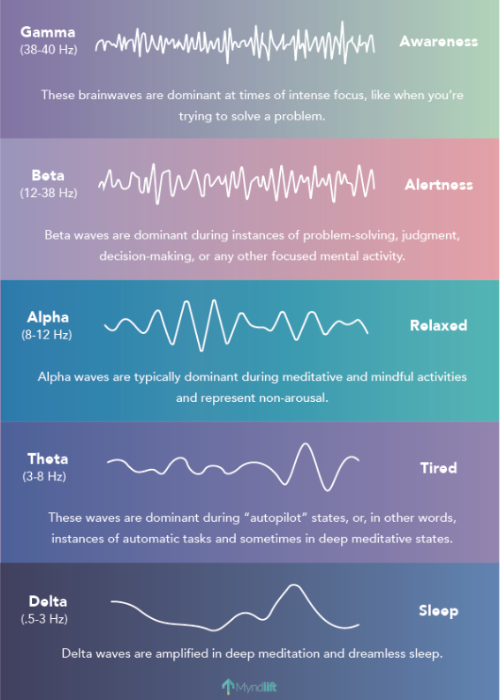
Neurofeedback, also known as EEG biofeedback, is a non-invasive method that uses real-time monitoring of brainwave activity to teach individuals how to regulate their own brain function. By providing immediate feedback on brainwave patterns, neurofeedback helps users learn to modify these patterns to achieve specific goals—such as increased focus, reduced stress, or improved emotional regulation.
Unlike traditional methods that rely on medication or external interventions, neurofeedback empowers the individual to take an active role in their mental health. It works by training the brain to self-regulate, much like physical exercise strengthens muscles. Over time, consistent neurofeedback training can lead to lasting changes in brain function, making it a valuable tool for enhancing mindfulness.
The Science Behind Mindfulness and Neurofeedback
Mindfulness, at its core, is about being fully present in the moment without judgment. It involves observing thoughts, feelings, and bodily sensations with curiosity and acceptance. This practice has been shown to reduce stress, improve emotional resilience, and enhance cognitive function.
Neurofeedback complements mindfulness by offering a scientific approach to refining mental states. When combined, these two practices create a powerful synergy. Neurofeedback provides real-time data on brain activity, allowing individuals to gain deeper insight into their mental processes during mindfulness exercises. This feedback loop helps practitioners fine-tune their focus, manage intrusive thoughts, and maintain a state of non-judgmental awareness more effectively.
For example, if someone is practicing mindful breathing and their brainwaves show signs of distraction, neurofeedback can alert them to this shift. They can then refocus their attention, reinforcing the habit of staying present. Over time, this process builds stronger neural pathways associated with mindfulness, making it easier to sustain a calm and focused mindset.
Benefits of Combining Neurofeedback and Mindfulness
The integration of neurofeedback and mindfulness offers a range of benefits that go beyond what either practice can achieve alone:
-
Enhanced Focus and Concentration: Neurofeedback helps train the brain to maintain optimal brainwave patterns associated with attention and focus. When paired with mindfulness, this leads to improved concentration and the ability to stay engaged in tasks.
-
Reduced Stress and Anxiety: Both mindfulness and neurofeedback have been shown to reduce symptoms of stress and anxiety. Neurofeedback helps the brain learn to regulate emotions more effectively, while mindfulness fosters a sense of calm and acceptance.
-
Improved Emotional Regulation: By strengthening the brain's ability to self-regulate, neurofeedback supports better emotional control. Mindfulness further enhances this by encouraging a non-judgmental attitude toward emotions, reducing reactivity and promoting inner peace.
-
Increased Self-Awareness: Neurofeedback provides real-time feedback on mental states, which can deepen one’s understanding of their thought patterns and emotional responses. This heightened self-awareness is a cornerstone of mindfulness.
Real-World Applications and Success Stories
Neurofeedback and mindfulness are not just theoretical concepts—they have real-world applications that are transforming lives. Athletes, students, and professionals across various fields are using these tools to enhance performance, reduce burnout, and improve overall well-being.
Take the case of professional athletes, who often face immense pressure and high-stakes situations. Many have turned to neurofeedback to maintain mental clarity and focus under stress. For instance, NFL quarterback Kirk Cousins has spoken publicly about how neurofeedback has helped him stay calm and focused during critical moments in games. He credits the practice with helping him "lock in" mentally, which is essential for his role as a leader on the field.
Similarly, students and academics are using neurofeedback to improve memory, concentration, and learning efficiency. By training their brains to stay in a focused state, they can retain information more effectively and perform better in exams and assignments.
How to Get Started with Neurofeedback and Mindfulness
If you're interested in exploring neurofeedback and mindfulness, here are some practical steps to begin your journey:
-
Consult a Professional: Start by seeking out a qualified neurofeedback practitioner or therapist who specializes in mindfulness-based approaches. They can guide you through the process and tailor the training to your specific needs.
-
Start with Basic Mindfulness Practices: Incorporate simple mindfulness exercises into your daily routine, such as mindful breathing, body scans, or meditation. These practices will help you build a foundation for deeper awareness.
-
Use Neurofeedback Technology: Consider using at-home neurofeedback devices or attending sessions at a clinic. These tools provide real-time feedback on your brain activity, helping you refine your mindfulness practice.
-
Track Your Progress: Keep a journal to record your experiences and note any changes in focus, mood, or emotional regulation. This will help you see the long-term benefits of combining neurofeedback and mindfulness.
The Future of Neurofeedback and Mindfulness
As research continues to uncover the potential of neurofeedback and mindfulness, their applications are expanding rapidly. Scientists are exploring how these practices can be used to treat conditions such as ADHD, PTSD, and even neurological disorders like Alzheimer’s. With advancements in technology, neurofeedback is becoming more accessible and personalized, making it easier for individuals to integrate these practices into their daily lives.
Moreover, the growing interest in mental wellness and self-care has led to a surge in popularity for both mindfulness and neurofeedback. As more people recognize the importance of mental clarity and emotional balance, these practices are likely to become even more mainstream.
Conclusion
Neurofeedback and mindfulness are more than just trends—they are powerful tools for achieving mental clarity, emotional balance, and cognitive enhancement. By combining the science of neurofeedback with the ancient wisdom of mindfulness, individuals can unlock new levels of self-awareness and control over their mental states.
Whether you're looking to reduce stress, improve focus, or simply live a more balanced life, the integration of these two practices offers a path forward. With consistent practice and the right guidance, you can harness the full potential of your mind and experience the transformative benefits of deeper mindfulness.

Post a Comment for "How Neurofeedback Enhances Deeper Mindfulness: A Guide to Mental Clarity and Focus"
Post a Comment