What Is Low Intensity Zone 2 Exercise and How Can It Benefit You?
If you’ve ever felt overwhelmed by the idea of starting a fitness routine, you’re not alone. Many people are intimidated by high-intensity workouts or the pressure to push themselves to their limits. But what if there was a way to build endurance, improve your health, and even lose weight without burning out or risking injury? That’s where low intensity zone 2 exercise comes in.
Zone 2 training is a form of aerobic exercise that focuses on maintaining a steady, moderate heart rate—typically around 60-70% of your maximum heart rate. It’s designed to be sustainable, accessible, and effective for people of all fitness levels. Whether you're a beginner or an experienced athlete looking to enhance your performance, understanding and incorporating zone 2 exercise can transform your approach to fitness.

Understanding Zone 2: The Science Behind the Training

To grasp what zone 2 training is, it helps to understand how the body uses energy during exercise. The human body has several energy systems, each activated depending on the intensity and duration of the activity. Zone 2 falls within the aerobic energy system, which relies primarily on oxygen and fat as fuel. This is different from higher-intensity zones (like zone 4 or 5), where the body shifts to using carbohydrates more heavily, leading to quicker fatigue.
Zone 2 is often referred to as the “conversational pace” because you should be able to hold a conversation without gasping for breath. This makes it ideal for long-duration activities like walking, cycling, swimming, or even hiking.
How to Calculate Your Zone 2 Heart Rate
The most common method to determine your zone 2 range is the Maffetone Method, which calculates your target heart rate by subtracting your age from 180. For example, if you're 30 years old, your zone 2 heart rate would be approximately 150 bpm (180 - 30 = 150). From there, you can adjust by ±10 beats per minute to create a range (e.g., 140-160 bpm).
Another popular formula is the 220 minus age method, which gives a general estimate of your maximum heart rate. Using this, zone 2 would fall between 60-70% of that number. Both methods provide a good starting point, but for more accurate results, especially if you're aiming for specific fitness goals, consider a VO2 max test conducted by a professional.
Why Zone 2 Is Perfect for Beginners

One of the biggest misconceptions about fitness is that you need to work hard to see results. Zone 2 training challenges this idea by emphasizing consistency over intensity. Here’s why it’s ideal for beginners:
- Sustainable: Because it's low impact, you’re less likely to feel burned out or risk injury.
- Accessible: Whether you're walking, cycling, swimming, or jogging, zone 2 can be adapted to your current fitness level.
- Builds a strong foundation: By focusing on aerobic efficiency, you’re setting the stage for more advanced training later on.
For many, the biggest revelation is how zone 2 training enhances the body’s ability to burn fat as a primary energy source. During long sessions, you’ll notice you can go further without feeling drained—a direct result of improved metabolic flexibility.
Real-Life Example: A Personal Journey
When I first started zone 2 training, I found it counterintuitive. The pace was slow, and it seemed like I wasn’t pushing myself enough to see real benefits. But as the weeks turned into months, I began to notice transformative changes in my fitness. My ability to metabolize fat for fuel improved significantly, and over time, I could produce more power (and speed) at the same heart rate. For example, during my early weeks of training, I was cycling at an average of 155 Watts in zone 2. Months later, I could maintain 175 Watts at the same heart rate, a clear sign of increased efficiency and endurance.
How to Get Started with Zone 2 Training
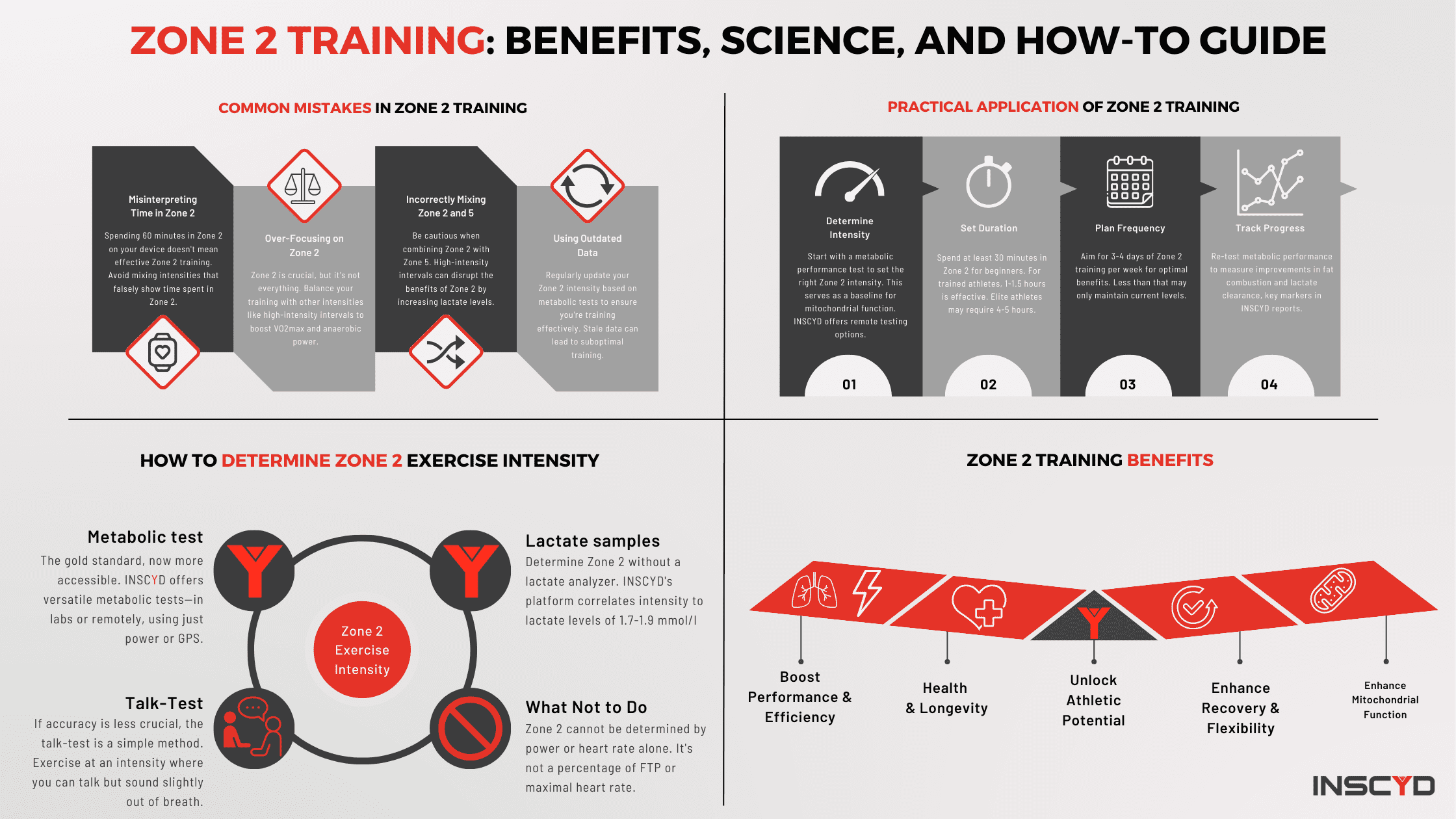
Starting zone 2 training doesn't require any special equipment or expertise. Here’s how to begin:
1. Calculate Your Target Heart Rate
Use the Maffetone Method or the 220-minus-age formula to find your zone 2 range. Aim to stay within this range during your workouts.
2. Choose an Activity You Enjoy
The beauty of zone 2 training is its versatility. You can walk, cycle, swim, hike, or use an elliptical. The key is to pick something you enjoy and can stick with consistently.
3. Start Slow and Build Gradually
As a beginner, aim for 20-30 minutes of zone 2 activity, three times a week. Over time, you can gradually increase the duration and frequency of your sessions.
4. Monitor Your Effort
Using a heart rate monitor is the most accurate way to stay in zone 2. However, if you don’t have one, pay attention to how you feel. If you can hold a conversation without gasping for air, you’re likely in the right zone.
Overcoming Common Challenges

Even with the best intentions, it’s easy to face obstacles when starting a new workout routine. Here are some common challenges and how to overcome them:
-
“I feel like I’m not doing enough.”
Trust the process. Zone 2 is about long-term gains, not instant results. Small, consistent efforts lead to big improvements over time. -
“I can’t stay in zone 2.”
Staying in zone 2 can be tricky, especially at the beginning. Slow down your pace, reduce resistance, or switch to a lower-impact activity if needed. Intervals can also help: alternate between zone 2 and short recovery periods until you can sustain longer durations. -
“I’m not seeing results quickly.”
Progress in zone 2 training is often subtle at first, but over time, the benefits compound. For me, the clearest sign of progress was being able to sustain higher speeds and power outputs at the same heart rate.
Building Endurance Over Time

As your fitness improves, you can gradually increase the length and frequency of your zone 2 sessions. For example:
- Weeks 1-2: 3 x 20-minute sessions per week
- Weeks 3-4: 3 x 30-minute sessions, with one optional 45-minute session
- Weeks 5-6: 3 to 4 x 40-minute sessions
Once you’re doing three or four 40-minute sessions, you can increase the duration of each session to longer, up to multiple hours if needed. But keep the session length to 40 minutes or more wherever possible, as this is considered a good standard for building aerobic capacity.
By following a consistent progression, you’ll build endurance without overloading your body. Once you’ve established a strong aerobic base, you can start incorporating other types of training, like strength work or higher-intensity intervals.
Staying Motivated

Consistency is key, and staying motivated can make all the difference. Here are some tips to keep you on track:
- Set small, achievable goals: For example, aim to complete three sessions a week for a month.
- Track your progress: Use a journal or an app to log your sessions and celebrate milestones.
- Focus on the long-term benefits: Improved endurance, better fat metabolism, and enhanced cardiovascular health are worth the patience and effort.
When I started zone 2 training, I kept a log of my workouts. Over time, I could see clear improvements in my performance, which kept me motivated to continue.
Final Thoughts
Zone 2 training is the perfect entry point for anyone looking to improve their fitness in a sustainable and enjoyable way. It’s not about how fast you start or how hard you push—it’s about building a solid foundation that will serve you for years to come.
Whether you're a beginner or an experienced athlete, incorporating zone 2 into your routine can help you achieve your fitness goals while protecting your body from overtraining and injury. So take the first step today—trust the process, stay consistent, and watch as your endurance, health, and performance transform. Your future self will thank you.

Post a Comment for "What Is Low Intensity Zone 2 Exercise and How Can It Benefit You?"
Post a Comment